Finance · Markets
Philippine Stocks Extend Losses as Investors Wait on GDP Print
The PSEi slipped for a third consecutive session as market participants held back before the release of second-quarter economic data.
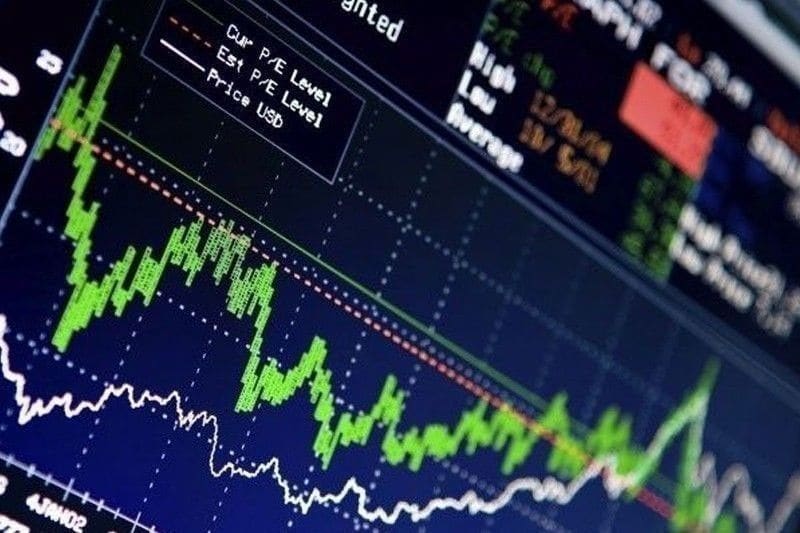
KEY TAKEAWAYS
- ·The Philippine Stock Exchange index fell 8.36 points to 6,277.95 on Thursday, down 0.13 percent in its third consecutive daily decline.
- ·Investors remained on the sidelines ahead of the government's second-quarter GDP report, with thin trading volumes reflecting widespread caution.
- ·A stronger-than-expected growth figure could lift sentiment, while a weaker print may deepen the recent slide and prompt further profit-taking.
Third Straight Decline
The Philippine Stock Exchange index retreated 8.36 points on Thursday, settling at 6,277.95 in subdued trading. The 0.13 percent dip marked the third consecutive session of losses, underscoring a cautious mood across Manila's equity market.
Market participants showed little appetite for risk as they awaited the government's official second-quarter gross domestic product report. The data, expected to provide clarity on the economy's trajectory during the April-June period, kept many institutional and retail investors on the sidelines.
Pre-Data Caution
Trading volumes remained thin, a typical pattern when key macroeconomic releases loom. Analysts note that investor hesitancy often intensifies ahead of growth figures, particularly when consensus estimates vary or when external headwinds - ranging from regional trade friction to domestic policy shifts - cloud the outlook.
The Philippine economy has shown resilience in recent quarters, supported by remittance inflows, a recovery in tourism, and government infrastructure spending. Yet uncertainties around inflation, interest-rate policy, and export demand continue to weigh on sentiment.
Regional Context
The muted performance in Manila mirrors broader caution across Southeast Asian bourses. Equity markets in Jakarta, Bangkok, and Kuala Lumpur have likewise seen subdued activity in recent sessions, with investors digesting mixed signals from China's property sector and the U.S. Federal Reserve's latest commentary on monetary policy.
Philippine equities remain sensitive to shifts in global risk appetite. Foreign portfolio flows, which have been volatile this year, often dictate short-term direction for the PSEi. Any deviation in the GDP print - whether upside surprise or downside miss - could trigger swift repositioning by offshore funds that have maintained a selective stance on emerging-market exposure.
What the Numbers Could Reveal
Economists surveyed ahead of the release have penciled in a range of forecasts for second-quarter expansion, with most clustering around the mid-single digits. A stronger-than-expected reading would likely bolster confidence in the central bank's current policy stance, while a weaker figure might reignite debate over the need for additional fiscal or monetary support.
Beyond the headline growth rate, market watchers will scrutinize components such as household consumption, fixed investment, and net exports. Any signs of flagging domestic demand or a sharper-than-anticipated slowdown in construction activity could prompt a reassessment of corporate earnings expectations for the second half of the year.
Sector Rotation and Strategy
In the absence of a clear catalyst, sector rotation has been muted. Financials, property developers, and industrial conglomerates - key pillars of the PSEi - have traded in narrow ranges. Energy and utilities have attracted selective interest, driven by updates on power-sector reforms and renewable-energy project pipelines.
Portfolio managers emphasize that the current environment rewards patience and selectivity. With valuations hovering near historical averages and earnings visibility still clouded by external variables, the consensus leans toward a defensive posture until macroeconomic clarity improves.
Outlook
The GDP release will set the tone for the remainder of August. A robust figure could inject fresh momentum into equities, particularly if it reinforces the case for sustained consumer spending and business investment. Conversely, a disappointing print might deepen the recent slide and prompt profit-taking among momentum traders.
For now, the PSEi's three-day losing streak reflects a market in waiting mode - calibrated for reaction rather than anticipation. As regional peers adopt similar stances, the coming days will test whether Manila's bulls can regain footing or whether risk-off sentiment will continue to dominate trading floors across the archipelago.
RELATED STORIES
Philippine Equities Face Headwinds as Second-Quarter Growth Hits 17-Year Low
Priyanka V. Rao · 3 min

US and Japan Stage First Joint Yen Intervention in 28 Years
Cheng Wei-Lun · 3 min
Philippine SSS Net Income Falls 28 Percent as Pension Hike Drives Up Costs
Priyanka V. Rao · 2 min

Philippines Central Bank Fielded 120,000 Customer Disputes in 2025
Priyanka V. Rao · 3 min
Spot something wrong? Email editor@briefasia.com. We log every correction publicly.