Finance · Banking
Philippine SSS Net Income Falls 28 Percent as Pension Hike Drives Up Costs
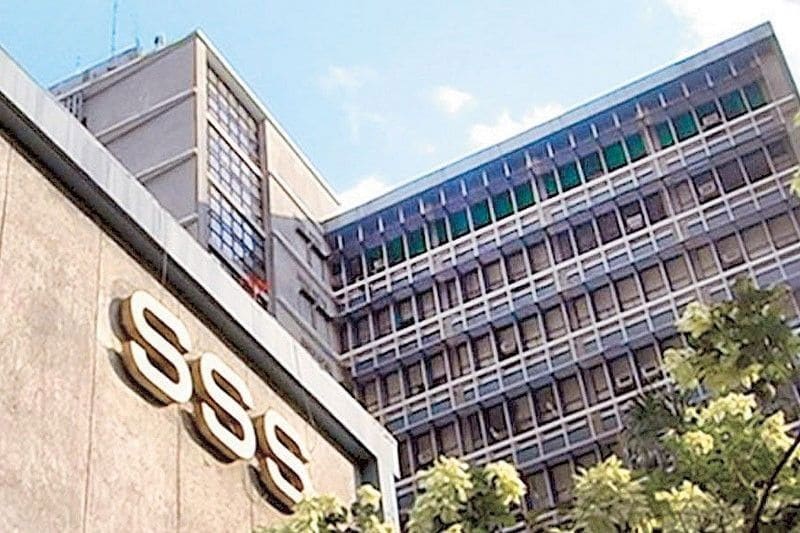
The state pension fund's benefit payments jumped 19 percent to ₱173.45 billion in the first half, outpacing member contributions as the second tranche of a three-year pension increase took effect.
KEY TAKEAWAYS
- ·The Philippine Social Security System reported net income of ₱48 billion in the first half of 2026, down 27.8 percent from ₱66.45 billion a year earlier as benefit payments jumped 19 percent to ₱173.45 billion.
- ·The decline reflects the early rollout of the second tranche of a three-year pension increase, with retirement and disability pensioners receiving a 10 percent monthly increase and death and survivor pensioners getting five percent.
- ·Investment income surged 38 percent to ₱33.18 billion, partially offsetting the higher benefit costs, while member contributions grew just 6.9 percent to ₱200.32 billion.
Earnings Decline Amid Rising Payouts
The Philippine Social Security System posted a 27.8 percent drop in net income for the first half of 2026, as the state pension fund accelerated benefit payments under a historic reform program. Net income fell to ₱48 billion from ₱66.45 billion in the same period last year, according to the fund's financial statement.
Total expenses climbed 26.8 percent to ₱206.8 billion at end-June, up from ₱163.10 billion a year earlier. Benefit payments accounted for the bulk of the increase, reaching ₱173.45 billion, a 19 percent rise from ₱145.73 billion in the first half of 2025.
The SSS also allocated ₱4.32 billion for personal services and ₱1.48 billion for maintenance and other operating expenses during the period.
Pension Reform Program Takes Effect
The pension fund began the early rollout of the second tranche of its three-year pension increase in the first half. Under the program, retirement and disability pensioners receive a 10 percent increase in monthly pensions, while death and survivor pensioners get a five percent increase.
The initiative marks the first multi-year pension increase in SSS history. Pensioners are scheduled to receive annual increases each September from 2025 through 2027. The fund moved up the release to help retirees cope with inflation and rising energy costs.
Member contributions grew 6.9 percent to ₱200.32 billion in the first semester, compared with ₱187.44 billion in the same period last year. The increase reflected steady employment levels and improved compliance, though the growth rate lagged the expansion in benefit payouts.
Investment Income Provides Buffer
Despite the pressure on operating margins, the SSS reported an 11 percent rise in total income to ₱254.83 billion at end-June, up from ₱229.55 billion a year ago. Net investments and other income surged 38 percent year-on-year to ₱33.18 billion from ₱24.12 billion, providing a partial offset to the higher benefit costs.
The fund's total assets stood at ₱1.35 trillion as of end-June, unchanged from the previous quarter. The asset base includes government securities, corporate bonds, real estate holdings, and equity investments across Philippine and regional markets.
Balancing Act for State Pension Funds
The SSS financial results underscore the challenge facing state pension systems across Asia as they balance social obligations with long-term sustainability. The Philippines joins Indonesia, Thailand, and Vietnam in grappling with aging demographics and rising benefit commitments.
The three-year reform program represents a policy shift for Manila, which has historically adjusted pensions on an ad hoc basis. The structured approach allows the fund to manage cash flow and set member expectations, though it compresses margins during the implementation period.
The fund's ability to generate higher investment returns will be critical to maintaining solvency as the pension increases take full effect in 2027. With contribution growth running at roughly one-third the pace of benefit increases, the SSS will need to lean more heavily on portfolio performance to sustain payouts over the next decade.
RELATED STORIES

Philippines Central Bank Fielded 120,000 Customer Disputes in 2025
Priyanka V. Rao · 3 min
Philippines Debt Service Surges 60% in First Half on Higher Amortization
Priyanka V. Rao · 2 min

US and Japan Stage First Joint Yen Intervention in 28 Years
Cheng Wei-Lun · 3 min
Philippine Equities Face Headwinds as Second-Quarter Growth Hits 17-Year Low
Priyanka V. Rao · 3 min
Spot something wrong? Email editor@briefasia.com. We log every correction publicly.