Asia · Politics
Philippines Debt Service Surges 60% in First Half on Higher Amortization
Manila paid P1.23 trillion in debt obligations from January to June, driven by principal repayments that more than doubled year-on-year
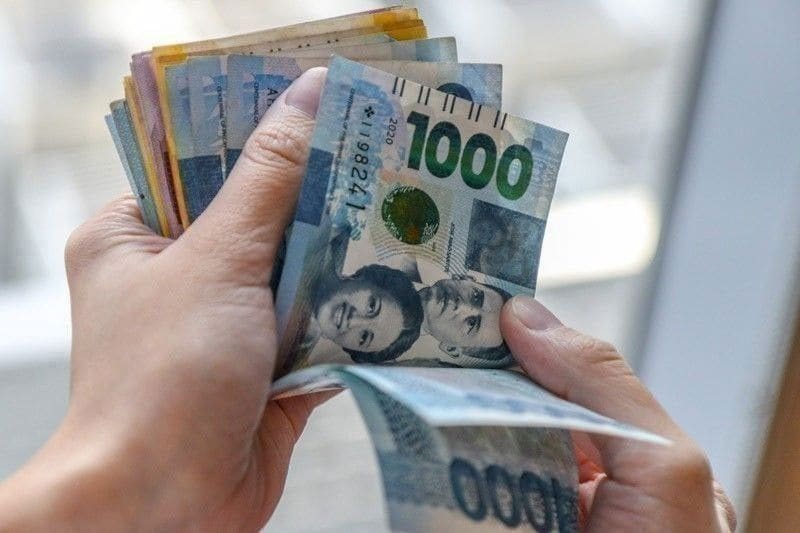
KEY TAKEAWAYS
- ·The Philippines paid P1.23 trillion in debt service during the first half of 2026, up 59.8 percent from P768.11 billion in the same period last year.
- ·Amortization payments more than doubled to P743 billion, with 85 percent going to domestic creditors and the remainder to external lenders.
- ·Outstanding debt reached a record P19.07 trillion by end-June, exceeding the government's full-year projection six months early.
Debt Payments Jump on Principal Repayments
The Philippines spent P1.23 trillion servicing its debt in the first six months of 2026, according to Bureau of the Treasury data. The figure represents a 59.8 percent increase from the P768.11 billion paid during the same period in 2025.
The jump in debt service was driven primarily by amortization payments, which more than doubled to P743 billion from P353.29 billion year-on-year. Principal repayments to domestic creditors accounted for roughly 85 percent of total amortization at P630.91 billion, while external creditors received P112.1 billion.
Interest payments also climbed, rising 16.6 percent to P483.69 billion from P414.82 billion in the first half of 2025. About three-quarters of interest obligations, or P360.72 billion, went to domestic lenders. The government paid P242.16 billion in interest on fixed-rate Treasury bonds, P87.5 billion on retail Treasury bonds, and P25.15 billion on Treasury bills. Foreign creditors received P122.97 billion in interest during the period.
Hitting Budget Targets Early
The first-half debt service figure represents 61 percent of the government's P2.01 trillion full-year program outlined in the latest Budget of Expenditures and Sources of Financing document. The accelerated pace suggests Manila is front-loading repayments or facing a heavier maturity schedule in the first two quarters.
In June alone, the government settled P77.22 billion in debt obligations, up 18.5 percent from P65.14 billion in the same month of 2025. The monthly figure underscores the sustained pressure on fiscal resources as debt servicing competes with spending on infrastructure, social programs, and other priorities.
Outstanding Debt Reaches New Peak
The Philippines' total outstanding debt stood at P19.07 trillion at the end of June, surpassing the government's year-end projection of P19.06 trillion six months ahead of schedule. The record level reflects both new borrowing to finance budget deficits and the depreciation of the peso, which inflates the local-currency value of foreign obligations.
Manila has leaned heavily on domestic debt markets in recent years, a strategy that reduces foreign-exchange risk but concentrates exposure among local banks and institutional investors. The sharp rise in amortization payments this year suggests a wave of domestic bonds reached maturity, requiring either repayment or refinancing at potentially higher rates.
Fiscal Pressure Builds
The surge in debt service comes as the Philippines grapples with slower economic growth. Second-quarter GDP expanded just 2.3 percent year-on-year, the weakest quarterly performance in 17 years, adding pressure on revenue collection and widening the gap between income and expenditure.
Higher debt payments constrain the government's ability to respond to economic headwinds with fiscal stimulus. Every peso directed toward interest and amortization is a peso unavailable for education, health, or infrastructure investment. With outstanding debt now exceeding year-end targets and growth slowing, Manila faces a narrowing window to stabilize its fiscal position without triggering market concerns about debt sustainability.
The trajectory of debt service in the second half will depend on the maturity profile of remaining obligations, the government's success in rolling over maturing debt at favorable rates, and any policy adjustments aimed at curbing the rise in liabilities. For now, the data signals that debt management has become a central fiscal challenge for the administration.
RELATED STORIES

Puregold Founders Lucio and Susan Co Join Philippines' Top Five Richest With $3.3 Billion Fortune
Priyanka V. Rao · 3 min

Philippine Economy Slows to 2.3% as Energy Crisis and Spending Cuts Bite
Mariel D. Santos · 3 min
San Miguel's Ramon Ang Takes Quarter Stake in Lopez Holding Company
Priyanka V. Rao · 5 min
San Miguel's Ramon Ang Enters Lopez Family Holding Amid Boardroom Battle
Priyanka V. Rao · 3 min
Spot something wrong? Email editor@briefasia.com. We log every correction publicly.