Asia · Business
Philippine Economy Slows to 2.3% as Energy Crisis and Spending Cuts Bite
Second-quarter GDP expansion marks continued deceleration as Iran war fallout and corruption scandal weigh on Manila's recovery
KEY TAKEAWAYS
- ·The Philippines recorded 2.3% GDP growth in Q2 2026, one of the weakest expansions in recent years, driven by high fuel costs and reduced government spending.
- ·Rising oil prices from the Iran conflict and a domestic corruption probe have frozen infrastructure budgets and eroded consumer purchasing power.
- ·Manila is exploring tax exemptions and wage increases to revive momentum, but fiscal constraints and oil volatility cloud the second-half outlook.
Growth Hits Multi-Year Low
The Philippine economy grew just 2.3% year-on-year in the second quarter of 2026, according to official data, marking one of the weakest expansions in recent years as twin headwinds converge on Southeast Asia's seventh-largest economy.
The slowdown reflects mounting pressure from an energy shock stemming from the Iran conflict and a domestic corruption scandal that has frozen portions of public expenditure. For an economy that depends heavily on household consumption - accounting for roughly three-quarters of GDP - rising living costs are proving a stubborn drag on activity.
Philippine authorities released the figures amid growing concern that the country is lagging regional peers. While neighbors such as Vietnam and Indonesia have posted mid-single-digit growth rates in recent quarters, Manila's trajectory has decelerated sharply from the post-pandemic rebound.
Fuel Prices and Frozen Budgets
Two forces are squeezing growth. First, the spillover from conflict in the Middle East has sent global oil benchmarks surging, hitting the Philippines - a net energy importer - particularly hard. Diesel and gasoline prices at the pump have climbed steadily since the start of the year, eroding purchasing power for millions of households and raising transport and logistics costs for businesses.
Second, a high-profile graft investigation has effectively stalled parts of the government's capital spending program. While officials have not disclosed the full scope of the probe, the slowdown in public investment is visible in infrastructure project delays and subdued procurement activity. The combination has left fiscal policy unable to offset the external shock.
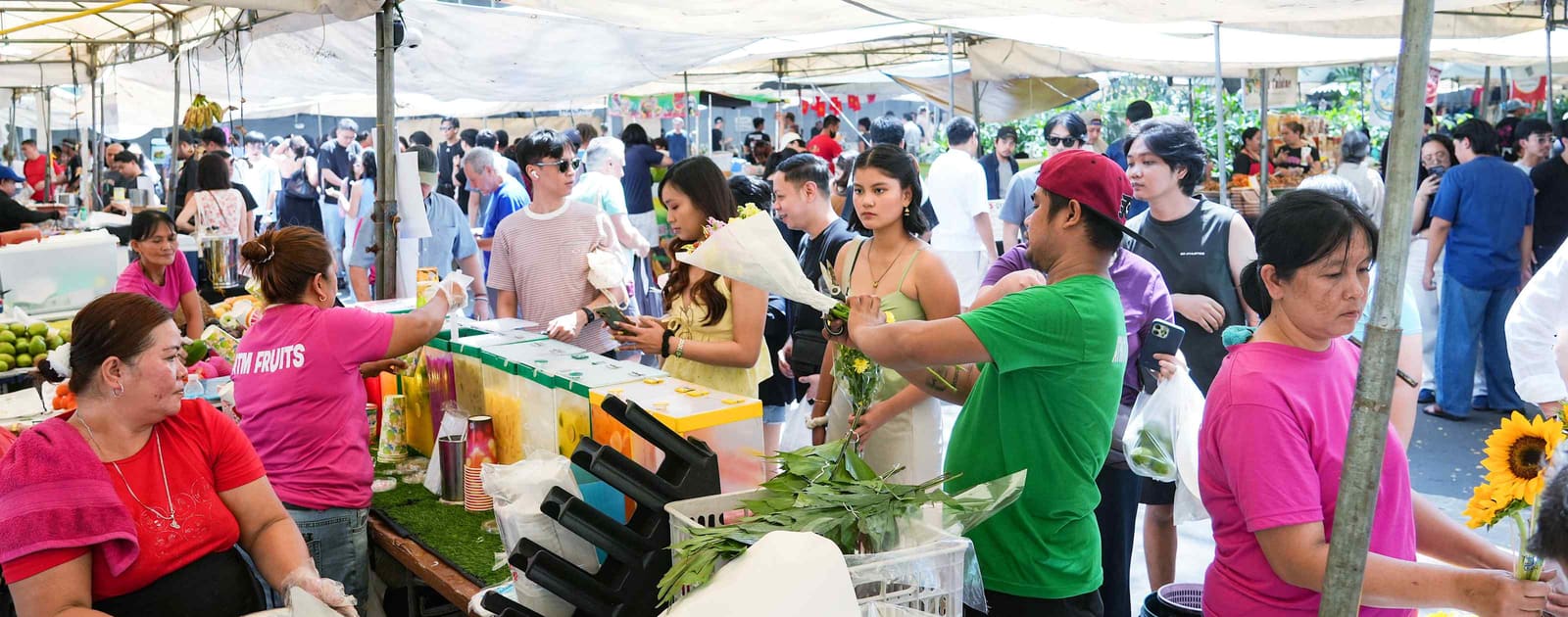
Consumer spending, the traditional engine of Philippine growth, has cooled as families adjust to higher food and fuel bills. Retail sales data and remittance inflows - a key support for domestic demand - have shown modest deceleration, suggesting households are tightening belts.
Policy Response Under Scrutiny
The Marcos administration has signaled it will prioritize fiscal stimulus to revive momentum. Recent proposals include expanding tax exemptions for lower-income earners and accelerating infrastructure approvals to unlock stalled projects. However, the room for maneuver is constrained by revenue shortfalls and the need to maintain fiscal discipline in a high-interest-rate environment.
Labor policy has also entered the spotlight. Metro Manila recently approved its largest minimum wage increase in decades, a move designed to cushion workers against inflation but one that has drawn mixed reactions from the business community, which warns of potential job cuts in labor-intensive sectors.
Regional institutions have taken note of the headwinds. The Asian Development Bank revised down its growth forecast for developing Asia earlier this year, citing the energy shock and its disproportionate impact on net importers like the Philippines. The bank's economists have urged governments to balance short-term relief measures with longer-term structural reforms.
What Lies Ahead
The outlook for the second half of 2026 hinges on two variables: the trajectory of global oil prices and the speed at which Manila can restore confidence in public spending. If energy markets stabilize and the corruption probe concludes without further disruption, a modest pickup is possible. But sustained weakness in either area could push full-year growth below the government's target range.
The broader question is whether the current slowdown represents a temporary soft patch or signals deeper vulnerabilities in the Philippine growth model. Heavy reliance on consumption and remittances has served the country well in past cycles, but the current confluence of external shocks and domestic governance challenges underscores the need for more diversified sources of expansion - particularly investment and exports.
For investors watching Southeast Asia, the Philippines now presents a more cautious picture than it did a year ago. The fundamentals remain intact - young demographics, a large domestic market, and improving infrastructure - but near-term risks have risen. How policymakers navigate the next few quarters will determine whether this deceleration is a blip or the start of a more prolonged adjustment.
RELATED STORIES
Philippine Economy Stalls as Investment Collapse Drags Growth to Pandemic Lows
Priyanka V. Rao · 3 min
Philippine Economy Slows to 2.3% Growth in Second Quarter
Priyanka V. Rao · 2 min
Philippines Debt Service Surges 60% in First Half on Higher Amortization
Priyanka V. Rao · 2 min
San Miguel's Ramon Ang Takes Quarter Stake in Lopez Holding Company
Priyanka V. Rao · 5 min
Spot something wrong? Email editor@briefasia.com. We log every correction publicly.