Finance · Banking
Philippines Central Bank Battles Rising Inflation While Growth Stalls
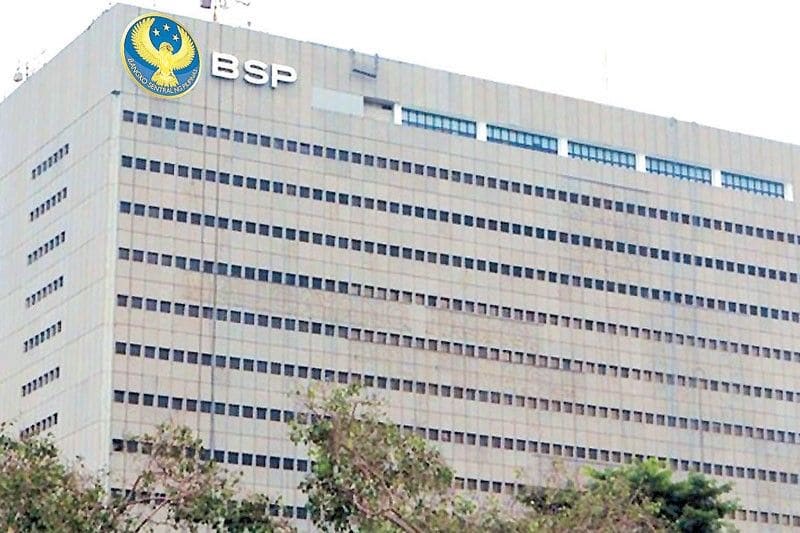
BSP reversed course on rate cuts after Middle East conflict pushed oil prices higher and weakened the peso, forcing two hikes in 2026 despite first-quarter GDP growth slowing to 2.8 percent
KEY TAKEAWAYS
- ·The Bangko Sentral ng Pilipinas raised its policy rate by 50 basis points total in 2026 to 4.75 percent after inflation surged to 7.2 percent in April, well above the two to four percent target range.
- ·Philippine GDP growth slowed to 2.8 percent in the first quarter, the weakest in five years, while core inflation accelerated to 4.4 percent in June, signaling broadening price pressures.
- ·The central bank faces a narrow policy path as peso depreciation and potential El Niño risks threaten to keep inflation elevated while further rate hikes could deepen the economic slowdown.
Policy Reversal Under Pressure
The Bangko Sentral ng Pilipinas began 2026 with what appeared to be a comfortable position. After cutting its benchmark rate by 125 basis points through 2025, inflation had retreated below the target range and financial conditions looked supportive. That cushion disappeared quickly.
The central bank raised its key policy rate by 25 basis points in both April and June, bringing it to 4.75 percent. The moves came after inflation surged from benign levels at the end of last year, driven by a spike in global oil prices linked to the escalation of the Middle East conflict. Inflation peaked at 7.2 percent in April before moderating to 6.4 percent in June, still well above the BSP's two to four percent target band.
In its 2025 annual report, Governor Eli Remolona Jr. described the shifting environment. "The economy is now navigating new headwinds," Remolona said, noting that inflation is rising from a low base while banks remain positioned to absorb shocks and sustain lending.
Growth Slows as Prices Rise
The policy challenge is complicated by weak economic momentum. Gross domestic product expanded just 2.8 percent in the first quarter, the slowest pace in five years. High fuel costs and sluggish public infrastructure spending weighed on activity, and the government has lowered its full-year growth forecast to a range of 3.5 to 4.5 percent.
Core inflation, which strips out volatile food and energy items, accelerated to 4.4 percent in June. That suggests price pressures are broadening beyond supply-driven categories and beginning to embed themselves in the wider economy. For the first half, headline inflation averaged 4.8 percent, already above the three-percent midpoint of the target.
Emilio Neri Jr., lead economist at Bank of the Philippine Islands, said further rate increases may be necessary. "While headline inflation has slowed, core inflation continues to trend higher, indicating that price increases are becoming more widespread," Neri said, adding that the damage from elevated inflation could outweigh the risks of additional tightening.
Peso Weakness Adds to Pressure
Currency depreciation has compounded the central bank's difficulties. Despite a retreat in oil prices from their April highs, the peso has remained under pressure, partly reflecting expectations of further tightening by the US Federal Reserve. A weaker currency raises import costs and feeds directly into consumer prices, while also putting strain on the country's balance of payments.
The BSP does not target a specific exchange rate but has repeatedly intervened to smooth volatility. Analysts at Citi warned that persistent peso weakness could amplify external pressures, particularly as the current account deficit is expected to widen from 2025 levels.
A Narrow Path Forward
The central bank's measured 25-basis-point moves reflect an attempt to balance competing risks. Tightening too aggressively could deepen the slowdown without materially accelerating inflation's return to target. But moving too slowly risks allowing price expectations to drift upward, which would require a more painful adjustment later.
Citi economists Wei Zheng Kit and Helmi Arman noted that the BSP expects growth to recover in the second half, supported by a rebound in public spending and strength in electronics exports. The government shares that optimism, but Citi forecasts a more modest 3.2 percent expansion for the full year. Political uncertainty, including concerns tied to a flood control controversy, could delay the recovery in public capital expenditures, the economists said.
Upside risks to inflation remain. Neri pointed to the possibility of an El Niño weather pattern reducing agricultural output, high fertilizer costs feeding into harvest prices, and recent minimum wage adjustments adding to second-round effects if businesses pass labor costs through to consumers.
Banking System Holds Firm
One area of relative strength is the financial sector. The BSP reported that banks remain well-capitalized and liquid, with lending activity continuing to support economic growth. Remolona attributed this resilience to years of prudent supervision and regulation.
The central bank has also strengthened its oversight of systemic risks, monitoring valuation pressures, leverage in the non-financial sector, and liquidity risks. It has developed a Systemic Crisis Management Playbook to guide responses during potential stress events.
For now, the BSP is walking a line between containing inflation and avoiding a deeper economic contraction. The question facing policymakers is not whether inflation has peaked, but whether it can be brought back to target without forcing the economy into a prolonged slowdown. The answer will depend on how quickly external shocks fade, how responsive inflation proves to be, and how much room the central bank has left to maneuver.
RELATED STORIES
Philippines Central Bank Raises Rate to 5% Despite Economic Slowdown
Priyanka V. Rao · 3 min
Philippine Currency Hits All-Time Low Against the Dollar
Priyanka V. Rao · 4 min
Philippine Banks See Bad Loan Ratio Tick Up to 3.35% in July
Tran Quoc Bao · 3 min

PhilWeb Commits P4.23 Billion to JKS Tech in Cross-Investment Deal
Tran Quoc Bao · 4 min
Spot something wrong? Email editor@briefasia.com. We log every correction publicly.