Finance · Markets
Philippine Stocks Fall 1.1% as Investors Await Inflation, GDP Data
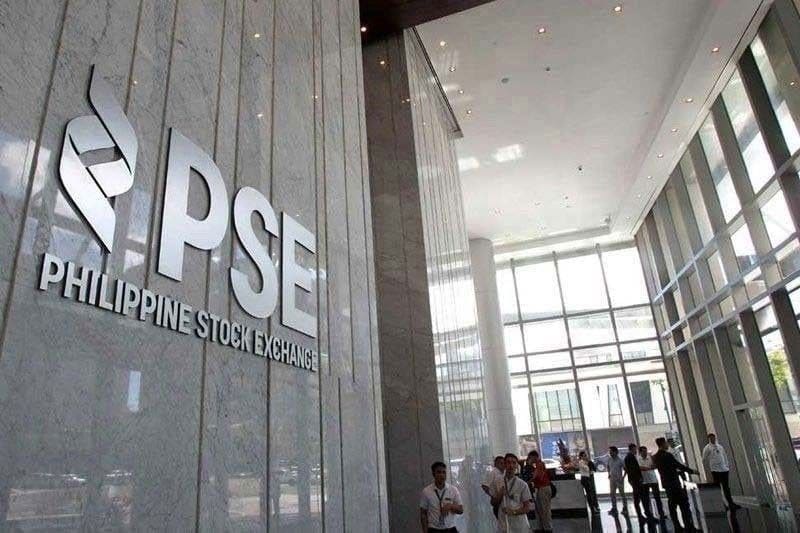
The PSE index closed at 6,236.44 amid profit-taking and foreign outflows, with market participants bracing for key macroeconomic releases next week.
KEY TAKEAWAYS
- ·The Philippine Stock Exchange index fell 1.1 percent to 6,236.44, with foreign investors withdrawing P1.04 billion as national government debt reached a record P19.07 trillion.
- ·Investors adopted a cautious stance ahead of next week's July inflation report, second-quarter GDP data, and June labor force survey results.
- ·Mining and oil stocks gained 4.05 percent while services counters dropped 1.57 percent, reflecting divergent sector sentiment and index rebalancing flows.
Market Closes Lower for Second Session
The Philippine Stock Exchange benchmark index dropped 69.31 points, or 1.1 percent, to finish at 6,236.44 on Friday. The broader All Shares index declined 0.59 percent, shedding 20.3 points to close at 3,395.05. The consecutive losses capped a difficult week for Manila equities as investor sentiment remained subdued.
Foreign money continued to exit, with net outflows reaching P1.04 billion for the session. Decliners outnumbered advancers 93 to 88, while 63 stocks closed unchanged. Value turnover expanded to P10.90 billion, up from P6.23 billion the previous day, signaling active but selective trading.
Record Government Debt Weighs on Sentiment
Market participants digested news that national government debt climbed to a fresh all-time high of P19.07 trillion, according to the latest official figures. The milestone added to concerns about fiscal sustainability and future borrowing costs, dampening appetite for risk assets.
Profit-taking dominated among blue-chip names, with index rebalancing flows amplifying the downward pressure. Bargain hunting in select counters provided only limited support, unable to reverse the broader slide.
Sectoral Performance Diverges
Sector performance was mixed. Mining and oil stocks posted the session's strongest gain, rising 4.05 percent as commodity prices firmed. Services counters bore the brunt of selling, falling 1.57 percent as investors rotated away from domestically focused plays.
ICTSI led turnover but declined 1.73 percent to P963 per share. Maynilad dropped 2.59 percent to P18.80, while Converge bucked the trend with a 6.1 percent surge to P10.78, reflecting divergent views on sector fundamentals.
Macro Calendar in Focus
Investors are now positioning ahead of a packed data calendar. The July inflation report, due early next week, will offer the first read on price pressures following recent peso weakness and elevated energy costs. Analysts expect the print to come in above the central bank's 2 to 4 percent target band.
Second-quarter gross domestic product figures will provide a clearer picture of economic momentum, particularly in light of softer external demand and tighter domestic credit conditions. June labor force survey results will round out the releases, offering insight into employment trends and household income growth.
External Headwinds Persist
Global sentiment remains fragile. The US Federal Reserve held interest rates steady at its most recent meeting and maintained a hawkish tone, signaling that borrowing costs will stay elevated for longer. That stance has kept pressure on emerging-market currencies and equity valuations.
Geopolitical risk also lingers. Renewed tensions in the Middle East have supported crude oil prices, raising inflation concerns across import-dependent Asian economies. Any further escalation could complicate the outlook for regional central banks, including Bangko Sentral ng Pilipinas, which has already signaled concern about upside risks to inflation.
Outlook Hinges on Data
Market direction in the near term will hinge on how the upcoming data prints align with expectations. A July inflation figure at the upper end of forecasts could prompt speculation about additional monetary tightening, weighing further on equities. Conversely, softer readings might revive hopes for a pause or eventual policy easing.
Second-quarter GDP growth will be scrutinized for signs of resilience in consumer spending and investment. Any disappointment could trigger renewed questions about earnings forecasts for the second half of the year, particularly among consumer-facing and property stocks.
For now, caution prevails. With foreign flows negative and domestic liquidity constrained, traders are opting to stay on the sidelines until the macro picture becomes clearer. The next few sessions are likely to remain choppy as the market absorbs fresh information and recalibrates expectations for the remainder of 2026.
RELATED STORIES
Philippine Stocks Edge Higher as Central Bank Signals Possible 2027 Rate Cuts
Priyanka V. Rao · 3 min
Philippine Stocks Edge Higher as Inflation Cools to Five-Month Low
Jun-ho Seo · 3 min

KKR Exits Philippine Power Firm First Gen in $456 Million Sale
Priyanka V. Rao · 3 min

GCash Parent Mynt Clears Final Regulatory Hurdle for Manila IPO
Mariel D. Santos · 3 min
Spot something wrong? Email editor@briefasia.com. We log every correction publicly.