Finance · Markets
Philippine Stocks Edge Lower as Peso Hits Record Weakness Against Dollar
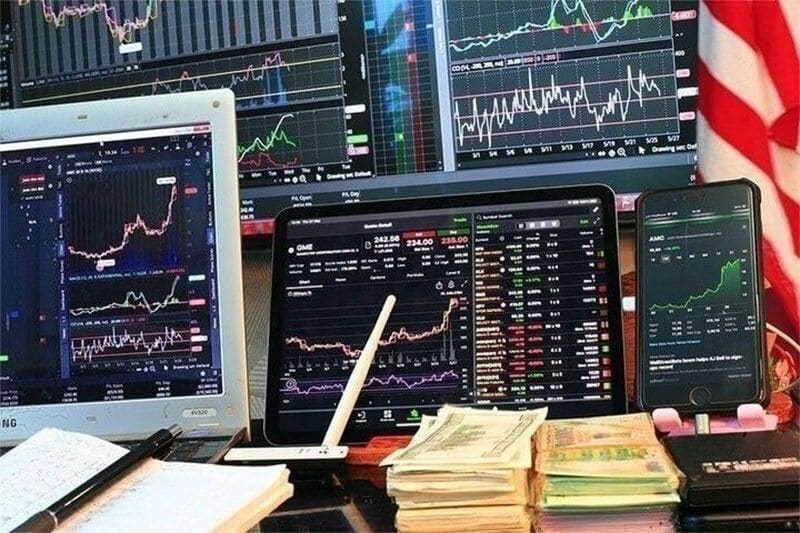
The benchmark index slipped 0.03 percent as traders weighed fresh US tariffs, oil prices above $100 per barrel, and the peso's decline to 61.847 per dollar.
KEY TAKEAWAYS
- ·The Philippine Stock Exchange index closed down 0.03 percent at 6,281.01, while the peso weakened to a record low of 61.847 per dollar.
- ·New US tariffs of 10 to 12.5 percent on Philippine exports and Brent crude surpassing $100 per barrel heightened concerns about trade costs and inflation.
- ·Analysts expect sustained currency weakness and rising oil prices to pose upside risks to inflation, complicating the central bank's policy outlook.
Market Closes Marginally Lower
The Philippine Stock Exchange index finished the week with a modest decline of 2.11 points, or 0.03 percent, closing at 6,281.01. The broader All Shares index dropped 4.59 points, or 0.13 percent, to settle at 3,422.48. Trading sentiment reflected mounting concerns over currency weakness and inflationary pressures as Brent crude climbed past the $100-per-barrel threshold.
Market breadth tilted negative, with 90 declining issues against 81 advancers, while 69 stocks remained unchanged. Among the most actively traded names, ICTSI gained 1.25 percent to close at 969 pesos per share. Ayala Land and BDO Unibank moved in the opposite direction, falling 0.83 percent and 2.38 percent to 16.70 pesos and 123 pesos, respectively.
Currency Touches Fresh Low
The peso weakened by 9.7 centavos to close at 61.847 against the dollar, marking a new record low. The previous session had seen the currency at 61.75 per dollar. The sustained depreciation adds to concerns about imported inflation, particularly as energy costs rise and the country remains a net importer of crude oil.
Analysts pointed to the twin pressures of a strengthening dollar and capital outflows as key drivers behind the peso's decline. The currency's trajectory has been closely monitored by the central bank, which has previously intervened to smooth excessive volatility while allowing market forces to determine the exchange rate.
Tariff Uncertainty Weighs on Sentiment
Traders remained cautious as they assessed the implications of newly imposed US tariffs on Philippine exports. According to RCBC chief economist Michael Ricafort, the United States will levy duties ranging from 10 percent to 12.5 percent on imports from approximately 60 economies, citing failures to eliminate forced labor in supply chains. The Philippines is among the trading partners affected by the new measures.
The tariffs introduce uncertainty around trade costs and their potential impact on domestic exporters and corporate profitability. Investors are still evaluating which sectors and companies will face the most significant headwinds from the additional duties. The trade policy shift comes at a time when the Philippine economy is navigating currency volatility and rising input costs.
Inflation Risks Rise with Oil Surge
The climb in global oil prices to the $100-per-barrel level has heightened concerns about inflation. If sustained, higher energy costs are expected to filter through to consumer prices, potentially complicating the central bank's policy stance. The Philippines imports the majority of its petroleum requirements, making it vulnerable to swings in international crude markets.
Philstocks Financial Inc. noted that both the rising oil prices and the weakening peso are expected to pose upside risks to inflation if current trends persist. The combination of a depreciating currency and elevated energy costs could accelerate price pressures across the economy, from transport to manufactured goods.
Sector Performance Mixed
Sectoral performance diverged, with services leading gainers by advancing 1.03 percent. Financials bore the brunt of selling pressure, declining 1.38 percent as investors reassessed earnings prospects in a higher-cost environment. The mixed results across sectors reflect the uneven impact of external headwinds, with some industries better positioned to absorb cost increases than others.
Regina Capital noted that uncertainty over the potential effects of higher trade costs on the domestic economy and corporate earnings weighed on sentiment. The market's reaction suggests investors are adopting a wait-and-see approach as they gauge the full impact of recent developments on corporate fundamentals and macroeconomic stability.
Looking Ahead
Market participants will be closely monitoring inflation data in the coming weeks to assess whether the central bank will need to adjust its policy stance. The trajectory of the peso and global oil prices will remain critical variables. Additionally, clarity on the scope and enforcement of the new US tariffs will be essential for exporters and investors to recalibrate their expectations for the remainder of the year.
The combination of external pressures and domestic vulnerabilities underscores the challenges facing Philippine assets. While the stock market's decline was modest, the underlying drivers suggest that volatility may persist until greater certainty emerges on trade, currency, and inflation fronts.
RELATED STORIES
Philippine Stocks Edge Higher as Inflation Cools to Five-Month Low
Jun-ho Seo · 3 min
Philippine Stock Index Falls Below 6,000 as Rate Increase and Currency Pressure Mount
Priyanka V. Rao · 3 min
Philippine Currency Hits All-Time Low Against the Dollar
Priyanka V. Rao · 4 min
Philippines Central Bank Raises Rate to 5% Despite Economic Slowdown
Priyanka V. Rao · 3 min
Spot something wrong? Email editor@briefasia.com. We log every correction publicly.