Finance · Banking
Philippine Inflation Faces Dual Pressure from Wage Hikes and Currency Weakness
Metro Manila's 12% minimum wage increase and peso depreciation create a challenging environment for the central bank's inflation targeting
KEY TAKEAWAYS
- ·Metro Manila approved a 12% minimum wage increase, double the BSP's 6% baseline assumption, potentially adding 0.4 percentage points to inflation through direct effects.
- ·The peso is projected to weaken to P61-P63 against the dollar, raising import costs in an economy that relies on foreign sources for over 95% of petroleum needs.
- ·The BSP faces delayed inflation target achievement as simultaneous domestic wage shocks and external currency pressures create a more complicated policy environment than either shock alone.
Wage Shock Doubles Central Bank Assumptions
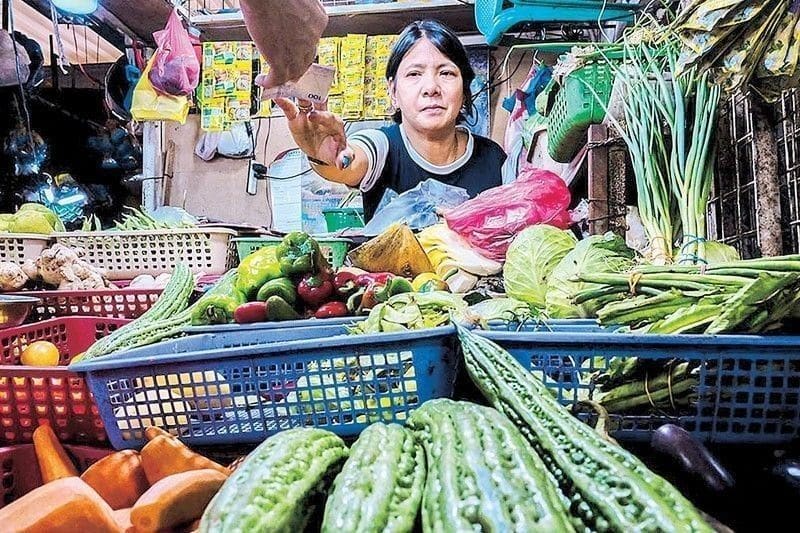
The Bangko Sentral ng Pilipinas faces a significantly more complex inflation outlook after Metro Manila approved a minimum wage increase of approximately 12%, double the 6% adjustment the central bank had built into its baseline projections. The P85 daily wage hike will roll out in two stages: P60 takes effect July 25, with the remaining P25 following in January 2027.
The adjustment carries weight beyond the capital. Metro Manila accounts for the largest share of the Philippines' economic output and formal employment, meaning wage effects will ripple through the broader economy. According to preliminary BSP estimates, each additional peso in minimum wage translates to roughly 0.0047 percentage points of inflation. The full P85 increase could add approximately 0.4 percentage points through direct effects alone.
GlobalSource Partners country analyst Diwa Guinigundo, a former BSP deputy governor, noted that the more significant concern lies in potential second-round effects. These include wage adjustments spreading to other regions, higher production and transport costs, and increases in food and service prices. If households and businesses begin expecting sustained high inflation, workers may demand further wage increases while companies pass additional labor costs to consumers, creating a self-reinforcing cycle.
External Pressures Compound Domestic Shocks
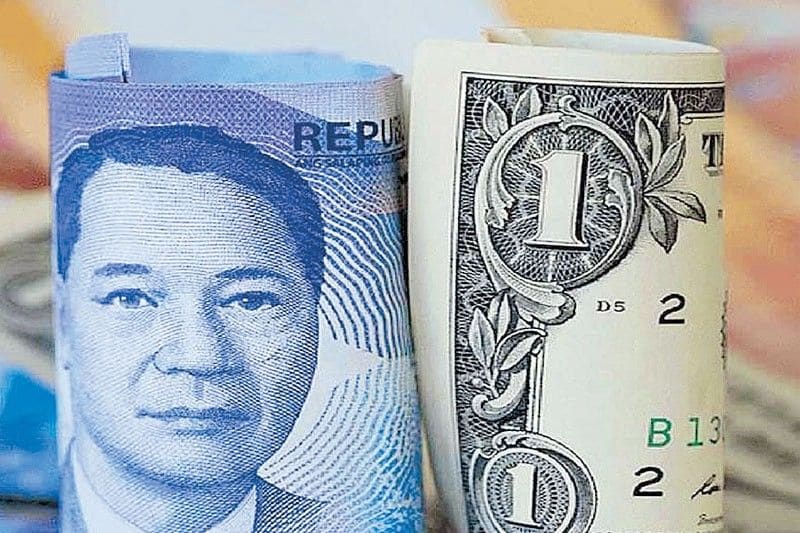
Currency movements add another layer of complexity. BMI, a unit of Fitch Solutions, projects the peso could weaken to between P61 and P63 against the dollar. While the pass-through effect of currency depreciation on inflation has diminished in recent years, a sustained peso decline would still raise the local cost of imported fuel and food, two categories with outsized influence on consumer prices.
The Philippines imports more than 95% of its petroleum requirements, leaving the economy particularly exposed to oil price volatility. Any prolonged supply disruption would quickly cascade through fuel, transportation, and production costs before reaching consumer prices. According to Guinigundo, the simultaneous arrival of domestic and external inflation shocks creates a more complicated policy environment for the central bank than either shock would produce independently.
Policy Response Faces Constraints
The BSP must now balance its primary mandate of maintaining price stability against the need to support economic activity. Guinigundo expects monetary policy to remain cautious, but emphasized that rate decisions alone cannot solve the country's inflation challenge. He pointed to policy coherence across government as the determining factor in how quickly inflation returns to low and stable levels.
Specific measures include strengthening energy security to reduce vulnerability to oil shocks, improving food supply chains to moderate agricultural price swings, and raising productivity to offset wage pressures without triggering inflation. The central bank's credibility in maintaining well-anchored inflation expectations becomes critical when multiple shocks arrive simultaneously.
Timeline for Target Return Uncertain
The convergence of wage pressures, currency weakness, and oil volatility means the BSP's timeline for bringing inflation back within its target range faces growing uncertainty. Guinigundo noted that if these shocks intensify or persist longer than currently anticipated, the return to target could be pushed further into the future.
The P85 wage increase represents the most significant domestic shock, but its ultimate impact depends on whether it triggers broader wage-price spirals across regions and sectors. External factors, while partially outside the BSP's control, still require policy attention. The central bank's challenge lies in distinguishing between temporary price level adjustments and changes in underlying inflation dynamics that demand a monetary response.
For investors and businesses operating in the Philippines, the inflation outlook has shifted meaningfully. The combination of a large wage shock in the country's economic center and renewed external pressures suggests price stability will take longer to achieve than earlier projections indicated. How the central bank navigates this environment while preserving growth will define Philippine monetary policy through the remainder of 2026 and into 2027.
RELATED STORIES
Philippines Central Bank Raises Rate to 5% Despite Economic Slowdown
Priyanka V. Rao · 3 min
Philippine Stocks Edge Higher as Inflation Cools to Five-Month Low
Jun-ho Seo · 3 min
Philippine Stock Index Falls Below 6,000 as Rate Increase and Currency Pressure Mount
Priyanka V. Rao · 3 min
Philippine Currency Hits All-Time Low Against the Dollar
Priyanka V. Rao · 4 min
Spot something wrong? Email editor@briefasia.com. We log every correction publicly.