Finance · Fintech
Philippine E-Wallets Hold Firm on Transfer Fees as Traditional Banks Drop Charges
Fintech Alliance PH defends GCash and Maya's P10 transaction fees, citing infrastructure costs and revenue constraints that separate digital wallets from full-service banks.
KEY TAKEAWAYS
- ·GCash and Maya maintain P10 fund transfer fees while major Philippine banks eliminated charges under central bank pricing rules, citing dependence on fee-based revenue streams.
- ·Fintech Alliance PH argues e-wallets lack the diverse income sources of traditional banks and require transaction fees to fund cybersecurity infrastructure and compliance investments.
- ·The fee divergence highlights tensions in Philippine financial digitization as regulators push for lower costs while digital wallet operators navigate narrow profit margins and capital requirements.
A Tale of Two Business Models
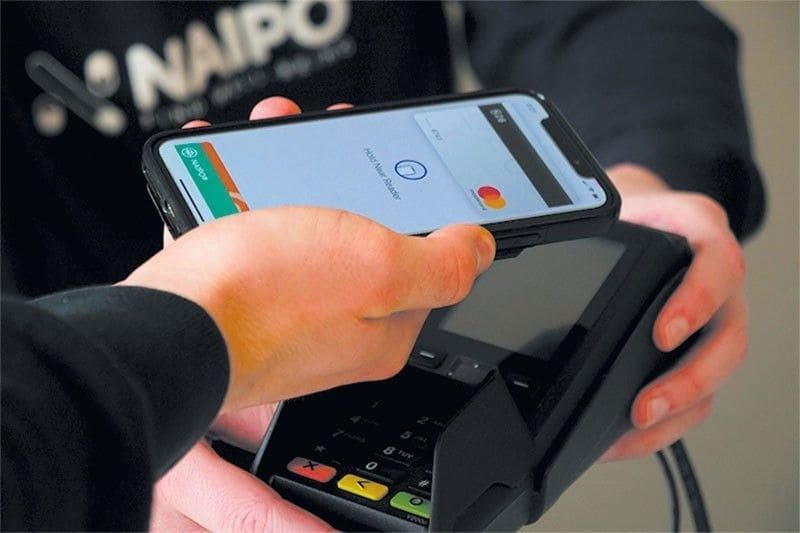
The Philippines' largest digital wallet providers are defending their decision to maintain fund transfer fees even as traditional banks have moved to zero-cost transactions. GCash and Maya continue to charge P10 per transfer, down from P15 previously, while most commercial banks eliminated fees entirely under new central bank pricing guidelines.
Fintech Alliance PH, the industry group representing digital banks and electronic money issuers, says the divergence reflects fundamentally different business models. Traditional banks derive income from diverse sources including lending, insurance products, and wealth management services. Digital wallets, by contrast, operate primarily on transaction fees and lack the balance sheet scale to absorb the cost of free transfers.
According to Lito Villanueva, chairman of Fintech Alliance PH, the transaction fees fund the technical infrastructure that enables instant money movement across the Philippine financial system. E-wallets have invested heavily in building faster transfer rails than legacy banking systems, requiring ongoing capital allocation to maintain and upgrade these platforms.
The Cost Structure Behind Digital Transfers
Each fund transfer carries expenses that occur before, during, and after the transaction completes. Digital wallet operators invest in compliance verification, customer authentication protocols, and fraud detection systems to maintain platform integrity. These front-end security layers require continuous development as scam techniques evolve.
The switching costs for maintaining actual money movement infrastructure represent one component of the fee structure. Customer support systems, cloud storage for transaction records, and SMS notifications for transfer confirmations add to operational expenses. Under the Anti-Financial Account Scamming Act, e-wallet providers face mandatory cybersecurity upgrade requirements that demand sustained capital investment.
Villanueva emphasized that without fee revenue, digital wallet operators would struggle to fund the security initiatives needed to stay ahead of increasingly sophisticated scam operations. The regulatory environment in Southeast Asia's fintech sector has intensified compliance requirements, particularly around anti-money laundering and customer protection measures.
Regulatory Framework and Market Response
The Bangko Sentral ng Pilipinas issued Circular 1238 requiring financial institutions to adopt cost-based pricing for fund transfers. The directive aimed to reduce barriers to digital payment adoption and increase financial inclusion across the archipelago. Major commercial banks responded by eliminating transfer fees entirely, absorbing the costs as part of broader customer acquisition strategies.
Digital wallet providers took a different approach. GCash and Maya reduced fees from P15 to P10 per transaction, arguing the charge represents a minimum viable revenue stream rather than profit maximization. The P10 fee structure positions these platforms between traditional banks and informal money transfer channels that still dominate remittance flows in many Philippine provinces.
The pricing gap highlights tensions in the country's financial digitization push. Traditional banks view free transfers as a loss leader that drives deposit growth and cross-selling opportunities. E-wallets operate with narrower margins and less regulatory flexibility around capital requirements, making fee elimination financially untenable under current business structures.
Implications for Financial Inclusion
The Philippines has made significant progress in digital payment adoption over the past five years, with e-wallet penetration reaching substantial portions of the previously unbanked population. Transaction fees, even at reduced levels, remain a friction point for low-income users who conduct frequent small-value transfers.
Industry observers note that the fee debate reflects broader questions about sustainable fintech business models in emerging markets. Digital wallets must balance affordability with the capital requirements needed to maintain secure, reliable platforms at scale. The infrastructure investments that enable instant transfers carry real costs that must be recovered through some combination of transaction fees, merchant charges, or ancillary services.
As the Philippine digital payments landscape matures, competitive pressure may push e-wallets toward alternative revenue streams that reduce reliance on transfer fees. Cross-border remittances, merchant payment processing, and embedded financial services represent potential growth areas that could diversify income sources over time.
For now, the P10 fee remains the price of instant digital transfers for millions of Filipino e-wallet users navigating an evolving financial ecosystem.
RELATED STORIES
GCash Parent Mynt Clears Final Regulatory Hurdle for Manila IPO
Mariel D. Santos · 3 min
GCash Parent Mynt Wins SEC Approval for $1.6 Billion Manila IPO
Tran Quoc Bao · 3 min
Philippine Banks See Bad Loan Ratio Tick Up to 3.35% in July
Tran Quoc Bao · 3 min
GCash IPO Could Turn Users Into Shareholders
Mariel D. Santos · 3 min
Spot something wrong? Email editor@briefasia.com. We log every correction publicly.