Lifestyle · Consumer
P&G Appoints First Korean Perfumer After Specialized Training Program
Noh Su-jin becomes the latest graduate of the consumer goods giant's perfumer development track, as the company deepens its talent pipeline in South Korea
KEY TAKEAWAYS
- ·P&G Korea appointed Noh Su-jin as a perfumer after she completed the company's multi-year specialized training program in fragrance formulation and chemistry.
- ·The appointment is part of P&G's strategy to build technical research and development capabilities within its South Korean subsidiary rather than relying on international transfers.
- ·South Korea has become a critical hub for consumer goods innovation in Asia, with local preferences in beauty and personal care influencing regional product development.
Building Regional Expertise
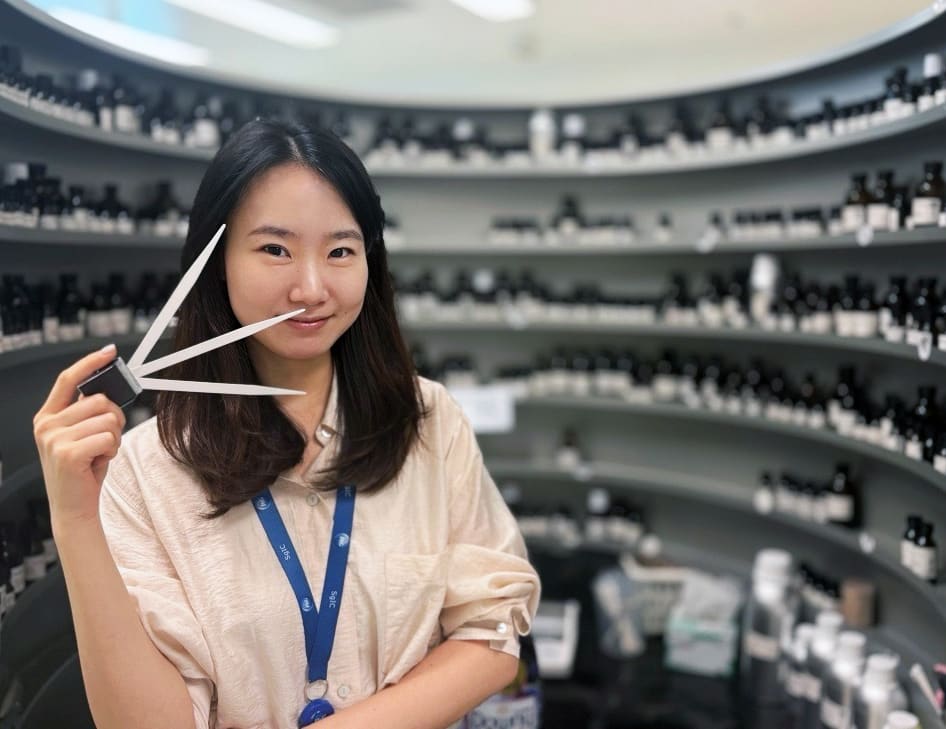
Procter & Gamble has appointed Noh Su-jin as a perfumer after she completed the company's specialized training program, P&G Korea announced Thursday. The appointment signals the consumer goods company's continued investment in building technical expertise within its South Korean operations.
Perfumers occupy one of the most specialized roles in the consumer goods industry, responsible for designing and formulating fragrances that appear across product lines from laundry detergents to personal care items. The position requires years of training in chemistry, sensory science, and creative formulation.
Training Pipeline for Technical Roles
P&G's perfumer program represents a multi-year commitment to developing fragrance specialists. The training combines technical chemistry education with sensory development and an understanding of consumer preferences across different markets. Graduates of the program typically work on fragrance formulation for brands spanning household care, beauty, and grooming categories.
The appointment of Noh reflects a broader strategy at P&G to cultivate specialized research and development talent within its Asian subsidiaries rather than relying solely on transfers from headquarters or other regional hubs. South Korea has become an increasingly important center for beauty and personal care innovation, with local consumer preferences often influencing product development for wider Asian markets.
Expanding Development Initiatives
Beyond technical training programs, P&G Korea has expanded its internship offerings to provide global exposure for early-career talent. These programs are designed to give Korean employees experience working across the company's international operations, building skills that can be applied to regional product development and market strategy.
The company's focus on local talent development comes as multinational consumer goods firms face intensifying competition in Asian markets. Regional players with deep understanding of local preferences have gained market share, pushing global companies to invest more heavily in building indigenous capabilities.
Strategic Importance of South Korea
South Korea has emerged as a critical market for consumer goods innovation, particularly in beauty and personal care. The country's sophisticated consumers and rapid adoption of new products make it a valuable testing ground for formulations that may later be adapted for other Asian markets.
P&G operates research and development facilities in the country that work on product formulation and sensory testing tailored to regional preferences. The investment in training specialized roles like perfumers allows the company to develop fragrances that resonate with Korean consumers while maintaining the technical standards required for global brands.
The perfumer role requires understanding cultural nuances in scent preferences. Fragrance choices that succeed in Western markets do not automatically translate to Asian consumers, who often prefer lighter, fresher scent profiles. Having locally trained perfumers helps companies navigate these preferences more effectively.
Talent Competition in Asia
The appointment also reflects the competitive landscape for technical talent in Asia's consumer goods sector. Companies are increasingly investing in structured development programs to attract and retain employees with specialized skills, particularly in areas like fragrance chemistry, packaging engineering, and sensory science.
P&G's approach of building multi-year training pipelines represents a long-term bet on regional talent rather than relying on expatriate assignments or short-term transfers. This model can help companies build institutional knowledge that stays within the local subsidiary, even as individual employees move between roles.
The consumer goods industry in Asia is expected to see continued growth over the next decade, driven by rising incomes and expanding middle-class populations. Companies that successfully develop local technical expertise will be better positioned to respond quickly to shifting consumer preferences and competitive pressures.
For Korean talent, programs like P&G's perfumer training offer pathways into highly specialized roles that were traditionally concentrated in the company's US or European operations. As multinationals continue to decentralize their research and development functions, opportunities for technical professionals in Asian markets are likely to expand.
RELATED STORIES
Seoul Stocks Drop on Mideast Tensions and Oil Price Surge
Tran Quoc Bao · 3 min

Samsung Electronics Drops 8% as Market Questions Buyback Strategy
Cheng Wei-Lun · 2 min
Samsung and SK Hynix Turn Down KEPCO's Multibillion-Dollar Prepayment Demand
Cheng Wei-Lun · 4 min

South Korea Extends Trading Hours to Attract Foreign Capital
Anand Sundaram · 2 min
Spot something wrong? Email editor@briefasia.com. We log every correction publicly.