Technology · AI
Penang Chipmaker Mi Equipment Bets Big on AI Expansion
The Malaysian semiconductor firm is channeling millions into R&D and local talent to capture between 20 and 30 percent of revenue from AI-related products.
KEY TAKEAWAYS
- ·Mi Equipment is investing millions in advanced packaging and bonding R&D, with AI-related activities contributing 20 to 30 percent of total revenue.
- ·The Penang-based firm employs a 99 percent Malaysian workforce and plans deeper university partnerships to build a local engineering pipeline.
- ·The expansion targets three sectors: mobility wearables, automotive electronics, and AI infrastructure, supported by over 110 intellectual property rights.
Doubling Down on the AI Wave
Mi Equipment, a semiconductor equipment manufacturer based in Bayan Lepas, Penang, is channeling a multimillion-dollar investment into research and development to ride what its leadership calls the global AI supercycle. The expansion targets advanced packaging and next-generation bonding processes, technologies critical to the production of high-performance chips powering artificial intelligence workloads.
Chief Executive Officer Teo Chee Kheong said AI-related activities now account for 20 to 30 percent of the company's total revenue, according to Mi Equipment. The firm's machines increasingly incorporate AI components, positioning the manufacturer at the intersection of hardware production and the broader AI ecosystem.
The investment marks a strategic pivot for a company that started in 2007 and has since evolved into a global player. By 2014, Mi Equipment's flagship Mi series had secured dominance in the die-sorting market, a niche but essential segment of semiconductor manufacturing. A 2017 stock exchange listing provided the capital for a decade-long diversification push into smart binning for high-performance computing and advanced die-level testing.
Betting on Malaysian Talent
The expansion is not just about machines. Teo emphasized that the company's future hinges on local human capital, with plans to deepen partnerships with Malaysian universities to build a sustainable pipeline of engineers. Mi Equipment intends to invest heavily in people, viewing local talent as the key to sustaining its competitive edge.
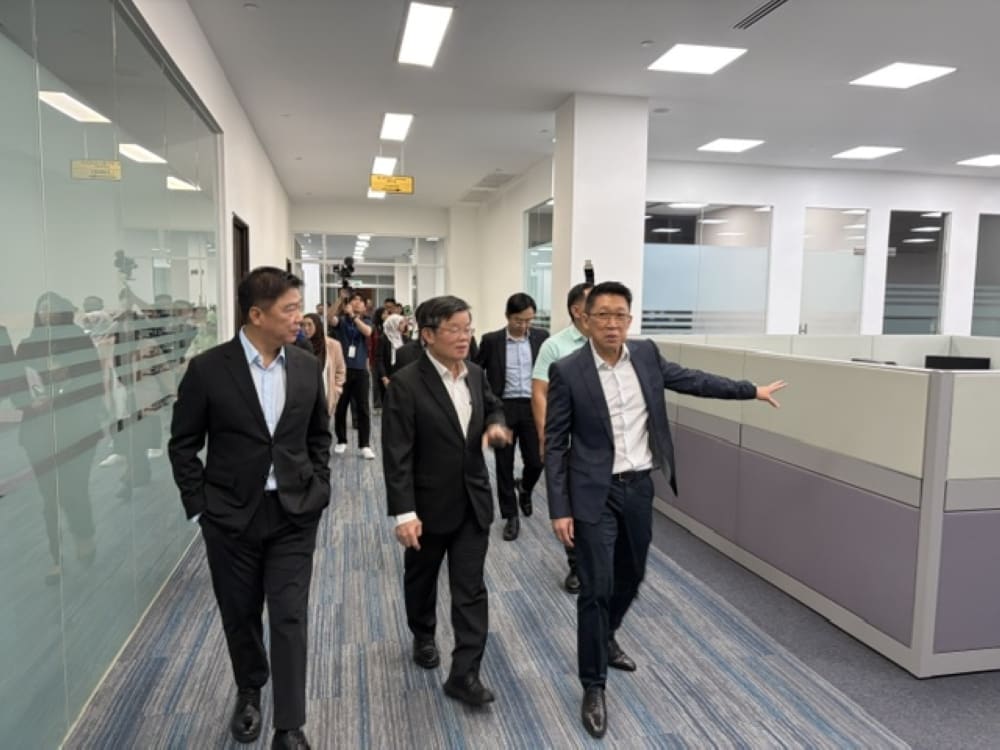
That commitment is already evident in the workforce composition. Penang Chief Minister Chow Kon Yeow noted during a visit that 99 percent of Mi Equipment's employees are Malaysian, an unusually high proportion for a firm with global operations. The company maintains seven sales and service offices worldwide, an R&D center in Singapore, and a manufacturing facility in Suzhou, China.
The focus on local talent aligns with broader efforts by Penang state authorities to build an integrated semiconductor ecosystem. Mi Equipment is a cornerstone participant in the Penang ATE Campus, an initiative launched in April to accelerate the development and deployment of Malaysian-made automatic test equipment solutions. The campus aims to enable structured co-development and first customer deployments of locally engineered ATE systems.
Three Sectors, One Supercycle
Mi Equipment has identified three high-growth verticals to anchor its expansion: mobility wearables, automotive electronics, and AI infrastructure. The company holds over 110 intellectual property rights and is tailoring its product suite to serve these sectors, according to Mi Equipment.
The automotive and AI infrastructure segments are particularly strategic. Automotive chips require rigorous testing and sorting capabilities, while AI accelerators demand advanced packaging techniques to achieve the density and thermal performance needed for data center deployments. Mi Equipment's die-sorting and testing platforms are designed to address both.
The mobility wearables market, though smaller in absolute terms, offers high margins and rapid iteration cycles, making it an attractive diversification target. Together, these three sectors form the foundation of the company's strategy to capture a larger share of the semiconductor equipment market as AI adoption accelerates.
Penang's Semiconductor Ambitions
The expansion also reflects Penang's broader industrial strategy. The state has positioned itself as a critical node in Southeast Asia's semiconductor supply chain, hosting major multinational operations alongside homegrown firms like Mi Equipment. The ATE Campus initiative is designed to move local players up the value chain, from contract manufacturing toward higher-margin design and testing services.
Chow highlighted that the campus aims to foster an ecosystem where Malaysian firms can co-develop solutions with end customers, reducing reliance on imported equipment and expertise. Mi Equipment's new investment phase is expected to play a central role in that vision, providing both technology and a demonstration of local capability.
The company's trajectory from a 2007 startup to a publicly listed global contender with over 110 IP rights illustrates the potential of Penang's semiconductor cluster. With AI demand driving double-digit growth in chip production, Mi Equipment's bet on advanced packaging and local talent positions it to capture a meaningful slice of the current cycle.
Whether the AI supercycle sustains long enough to justify the capital outlay remains an open question. But for now, Mi Equipment is placing its chips on Malaysian engineering and the belief that the AI infrastructure buildout has years left to run.
RELATED STORIES
OpenAI Secures Multi-Year Malaysia Data Centre Deal with Firmus
Jun-ho Seo · 3 min
Penang Captures 34% of Malaysia's Manufacturing Investment in First Half
Anand Sundaram · 2 min
Malaysia's Rare Earth Deposits Draw Foreign Interest Ahead of China Export Controls
Priyanka V. Rao · 3 min

Malaysia's Petronas Reports Steady Earnings Amid Energy Security Push
Priyanka V. Rao · 2 min
Spot something wrong? Email editor@briefasia.com. We log every correction publicly.