Asia · Business
Orion Targets $690 Million in Potato Snack Sales as Asia Expansion Accelerates
South Korean snack maker banks on localized products and expanded manufacturing to capture summer demand across regional markets
KEY TAKEAWAYS
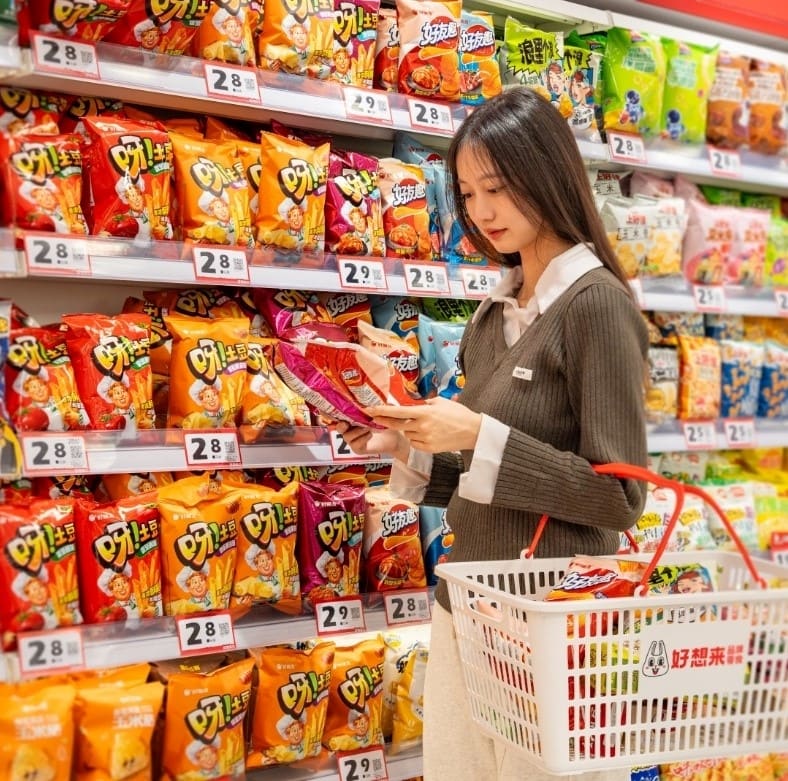
- ·Orion is targeting 1 trillion won in annual potato snack sales, supported by 9 percent average annual growth over the past three years.
- ·The company launched fresh-harvest Pocachip and Swing Chip variants in June and expanded production capacity at its Cheongju plant to meet summer demand.
- ·Orion's strategy centers on localized product lines and seasonal releases to compete against multinational and regional snack brands across Asia.
Summer Push Anchors Revenue Goal
Orion announced Thursday it is aiming for 1 trillion won ($690 million) in annual potato snack revenue as it scales operations ahead of the summer selling season. The Seoul-based confectionery and snack manufacturer has logged average annual growth of 9 percent in its potato chip segment over the past three years, driven by product tailored to local tastes and broader manufacturing footprint.
The company rolled out fresh-harvest editions of its Pocachip and Swing Chip lines in South Korea in June, timed to catch peak summer consumption. Production capacity at Orion's Cheongju plant has been expanded to support higher output, according to the company.
Regional Playbook
Orion's strategy leans on adapting core product lines to regional flavor preferences rather than exporting a single global SKU. The fresh-harvest variants introduced in the home market highlight seasonal ingredients, a tactic the company has used in other Asian territories where consumers show strong affinity for limited-edition releases tied to harvest cycles or local festivals.
The 9 percent compound annual growth rate in the potato snack category outpaces broader packaged food growth in South Korea, where household spending on convenience foods has risen but overall food inflation has pressured margins across the industry. Orion's ability to maintain that trajectory hinges on continued capacity investment and distribution reach beyond its domestic base.
Capacity and Competition
The Cheongju facility expansion positions Orion to meet higher seasonal demand without relying on third-party contract manufacturers, a move that offers tighter quality control and faster turnaround for limited-run products. The company has not disclosed the exact capacity increase or capital expenditure tied to the Cheongju upgrade.
Orion competes in a crowded Asian snack market alongside regional players and multinational brands that have ramped up local production in recent years. PepsiCo's Frito-Lay division, Calbee from Japan, and a host of smaller domestic producers vie for shelf space in convenience stores and modern trade channels across the region. Orion's focus on harvest-linked product cycles and flavor innovation has helped it carve out a loyal consumer segment, particularly among younger shoppers who favor novelty and seasonal variety.
Path to the Trillion-Won Mark
Reaching the 1 trillion won milestone will require Orion to sustain double-digit growth in key export markets while defending its home-market share. The company has built a presence in China, Vietnam, and other Southeast Asian countries, where rising disposable incomes and urbanization are driving snack consumption. However, regulatory complexity, tariff structures, and entrenched local competitors present ongoing challenges.
Orion's summer product launch in South Korea serves as a test case for its broader regional playbook. If the fresh-harvest lines gain traction and repeat purchase rates hold, the company is likely to replicate the formula in other markets with similar consumer dynamics. The coming quarters will show whether expanded capacity and localized product development can deliver the growth needed to hit the revenue target in a competitive and fragmented landscape.
RELATED STORIES
South Korea's Export Surge Powers Economic Upturn Through Third Quarter
Jun-ho Seo · 4 min

South Korea Targets $40,000 Per Capita Income as GDP Growth Accelerates
Jun-ho Seo · 4 min
South Korea Breaks Full-Year Export Record in September
Tran Quoc Bao · 3 min

SK Chemicals Targets Europe's Can-Coating Shift After BPA Ban
Cheng Wei-Lun · 2 min
Spot something wrong? Email editor@briefasia.com. We log every correction publicly.