Asia · Trade
Oil Tankers Reroute Through Omani Waters After Strait of Hormuz U-Turns
Energy vessels increasingly navigate the southern channel of the critical shipping chokepoint, signaling fresh tension in the Gulf's busiest trade corridor.
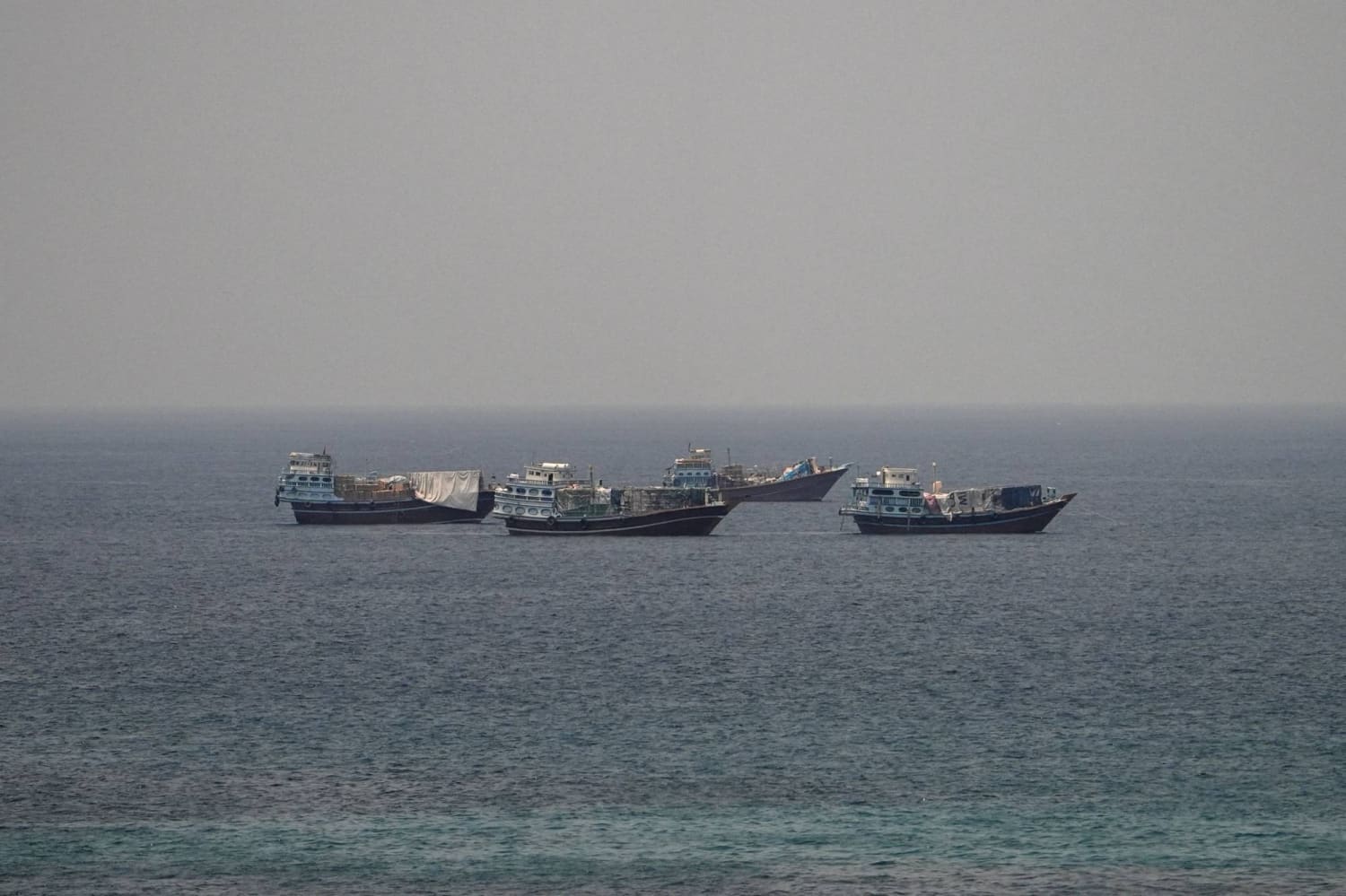
KEY TAKEAWAYS
- ·Oil and gas tankers are crossing the Strait of Hormuz via the Omani-side route after executing U-turns, departing from standard traffic separation schemes.
- ·The strait handles roughly 21 million barrels of oil and petroleum products daily, making any shift in routing patterns significant for global energy markets.
- ·Vessels favoring the southern lane near Oman gain distance from Iranian waters, reflecting real-time risk assessments and potential changes in war-risk insurance guidance.
Shifting Lanes in the Gulf's Busiest Corridor
Oil and gas tankers have begun crossing the Strait of Hormuz through waters on the Omani side after making abrupt course reversals, a development that underscores renewed tension in the narrow waterway through which roughly one-fifth of global oil supply flows.
The pattern involves vessels approaching the strait, executing U-turns, then proceeding through the southern traffic lane that hugs the Omani coast rather than the northern channel adjacent to Iranian territorial waters. The shift represents a departure from standard routing protocols that typically divide eastbound and westbound traffic through designated separation schemes.
Geography and Strategic Calculation
The Strait of Hormuz spans just 21 nautical miles at its narrowest point, creating one of the world's most congested maritime passages. Two-mile-wide shipping lanes run in opposite directions, separated by a buffer zone, with the northern lane falling within or near Iranian waters and the southern lane lying closer to Oman and the United Arab Emirates.
Tanker operators who opt for the Omani side add distance and time to their voyages but gain separation from potential Iranian interference. Oman maintains a posture of neutrality in Gulf politics, and its waters are generally perceived as lower-risk by international shipping insurers and charterers.
The U-turn maneuvers suggest that some vessels initially approached the strait intending to use the northern lane, then reversed course to take the southern route instead. Such changes mid-passage typically reflect real-time risk assessments by ship masters or instructions from charterers and cargo owners responding to evolving security conditions.
Energy Stakes and Regional Dynamics
Roughly 21 million barrels of crude oil and petroleum products transit the strait daily, according to energy data tracked by major trading hubs. Liquefied natural gas shipments from Qatar, the world's largest LNG exporter, also pass through the chokepoint en route to buyers in Asia and Europe.
Any sustained disruption or perceived threat in the strait reverberates across global energy markets. Benchmark crude futures have historically spiked during periods of heightened Gulf tension, and freight rates for tankers can double within days when underwriters adjust war-risk premiums.
Iran has in the past detained or harassed commercial vessels transiting the strait, citing maritime violations or responding to geopolitical disputes with Western nations. Oman, by contrast, has cultivated a reputation as a diplomatic intermediary and maintains open channels with Tehran, Washington, and Gulf Arab capitals alike.
Insurance and Operational Implications
Shipping companies weigh multiple variables when plotting routes through contested waters: hull insurance costs, cargo liability, crew safety, flag-state guidance, and charterer preferences. A decision to favor the Omani lane can reflect any or all of these factors.
War-risk insurance typically covers hijacking, mines, and military action. Premiums for Persian Gulf transits fluctuate with threat levels, and underwriters often issue specific guidance on which lanes or anchorages to avoid. Vessels that deviate from insurer-approved routes risk voiding coverage, a financial exposure that can run into hundreds of millions of dollars for a single laden very large crude carrier.
The U-turn behavior also hints at information asymmetry. Tanker operators receive real-time intelligence from maritime security firms, flag-state navies, and proprietary networks. A sudden course change suggests new threat information that was not available when the vessel first set its heading.
What Lies Ahead
Whether the rerouting becomes a sustained pattern depends on the security environment in the coming weeks. If tensions ease, traffic will likely revert to the standard separation scheme. If they escalate, expect more tankers to hug the Omani coast, longer voyage times, and upward pressure on freight rates and energy prices across Asia.
For now, the U-turns serve as a visible barometer of unease among the captains and charterers who move the world's oil. In a waterway this narrow, every nautical mile matters, and every course correction tells a story.
RELATED STORIES
Tehran Sets Conditions for Strait of Hormuz Access Despite Progress With Muscat
Priyanka V. Rao · 3 min
Oil Stockpiles Fall as Hormuz Disruption Stalls Middle East Shipments
Cheng Wei-Lun · 3 min
Tehran's New Conditions Push Brent Back Above $84
Priyanka V. Rao · 4 min
Brent Crude Climbs Past $84 as Hormuz Talks Stall on US Compensation Demand
Priyanka V. Rao · 4 min
Spot something wrong? Email editor@briefasia.com. We log every correction publicly.