Sustainability · Energy
Oil Reaches Six-Week High as Dual Maritime Chokepoints Face Escalating Threats
Brent crude climbs above $94 as Iran-US tensions and Houthi blockade warnings force tankers to reroute, tightening near-term supply and widening backwardation to widest since May
KEY TAKEAWAYS
- ·Brent crude settled at $94.07 per barrel, up 3.36 per cent, reaching its highest level since June 11 as threats escalated in both the Strait of Hormuz and Bab el-Mandeb.
- ·Brent's three-month timespread widened to $9.26 per barrel, its deepest backwardation since May 22, signaling traders expect tight near-term supply as tankers reroute.
- ·Asian refiners are arranging longer shipments from Saudi Arabia's Yanbu terminal around Africa after Houthi militia threatened to block Saudi oil exports through the Red Sea.
Two Straits, One Supply Shock
Crude markets are pricing in a new risk premium as threats to two of the world's most critical oil transit routes intensify simultaneously. Brent crude settled at $94.07 per barrel on Wednesday, up 3.36 per cent, while West Texas Intermediate rose 2.95 per cent to $86.83. Both benchmarks reached their highest levels since June 11.
The rally reflects more than headline geopolitical noise. Physical market indicators are flashing red: Brent's three-month timespread widened to $9.26 per barrel, its deepest backwardation since late May. When prompt crude trades at a steep premium to future delivery, it signals traders expect tight supply now, not later.
The immediate trigger is a dual-front maritime crisis. US military operations against Iran entered their eleventh consecutive night, while Kuwait reported intercepting Iranian drones. President Donald Trump warned the US would destroy Iranian infrastructure each time Tehran targets vessels in the Strait of Hormuz. Iran's Revolutionary Guards responded by stating the southern route through Hormuz is now mined.
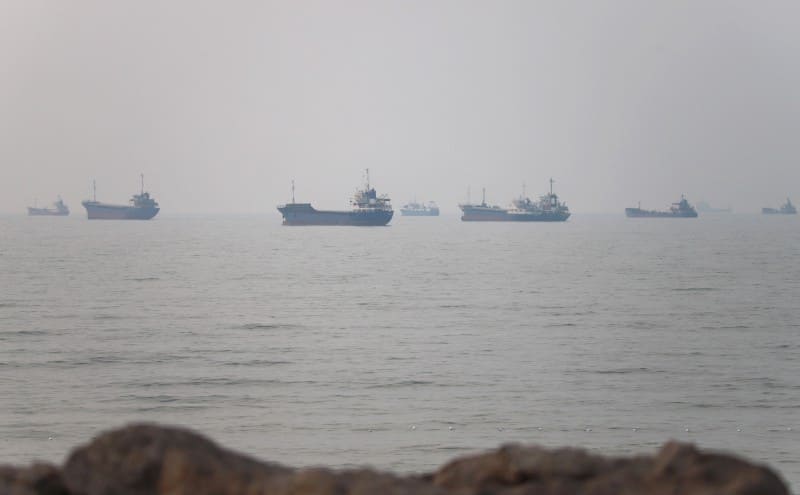
Roughly one-fifth of global oil consumption typically flows through the Strait of Hormuz. But traffic there has already fallen sharply since a ceasefire between Washington and Tehran collapsed earlier this month.
A Second Bottleneck Opens
The bigger surprise for Asian buyers is the Houthis' pivot south. The Iran-aligned militia announced a naval blockade targeting Saudi crude shipments through the Bab el-Mandeb Strait and the Red Sea. Ships with links to Israel, the United States, or Saudi Arabia face heightened attack risk, according to the European Union's naval force Aspides.
Five tankers reversed course in the Red Sea on Wednesday after the Houthi warning. That matters because Bab el-Mandeb has absorbed much of the traffic that used to move through Hormuz. Saudi Arabia's Red Sea export terminal at Yanbu has become a critical alternate route for crude heading to Europe and Asia.
Asian refiners are now scrambling to arrange shipments from Yanbu through the Suez Canal and around the Cape of Good Hope. The longer voyage adds days to delivery times and raises freight costs, both of which tighten the physical market and support prompt prices.
Inventory Data Paints a Different Picture
The rally came despite a build in US crude stockpiles. Inventories rose by two million barrels to 411.7 million barrels in the week ended July 17, according to the Energy Information Administration. Analysts had expected a draw of 1.1 million barrels.
The build reflects lower refinery runs and a drop in crude exports, even as imports increased. Under normal circumstances, that inventory rise would weigh on prices. But the market is looking past domestic stock levels and focusing on the risk that millions of barrels per day could be stranded or delayed if either strait becomes impassable.
Backwardation at current levels suggests traders are willing to pay a significant premium for oil they can take delivery of immediately, rather than wait for barrels that may face unpredictable shipping routes or delays.
Asia's Supply Calculus Shifts
For the region's refiners, the dual-strait threat reshapes procurement strategies. Saudi crude, which accounts for a large share of Asian imports, now faces uncertainty on two fronts. If Yanbu shipments are disrupted or delayed, buyers will need to source more barrels from the UAE, Iraq, or even as far as West Africa and the Americas.
That scramble for alternative supply tends to widen regional price differentials and push up the cost of spot cargoes. Refiners with long-term contracts may find themselves paying premiums for barrels that arrive on time, while those reliant on spot markets face both higher prices and longer lead times.
The risk extends beyond crude. Product tankers carrying diesel, gasoline, and jet fuel also transit both straits. Any sustained disruption would ripple through refined product markets across Asia, where diesel demand from manufacturing and logistics remains robust.
What Traders Are Watching
Market participants are closely monitoring vessel tracking data in both the Red Sea and the Persian Gulf. Any additional tanker diversions or reports of attacks will likely push prices higher. Conversely, any sign of de-escalation or safe passage guarantees could ease the risk premium.
EU ambassadors failed to agree on a twenty-first sanctions package against Russia over its invasion of Ukraine, leaving another variable in play for European crude and product flows. While that decision does not directly affect Middle Eastern supply, it underscores the broader uncertainty facing global energy markets.
For now, the physical market is tightening. Traders are paying up for near-term barrels, tankers are rerouting, and refiners are recalculating supply chains. Whether the dual-strait risk premium persists will depend on how quickly, if at all, the security situation in both waterways stabilizes.
RELATED STORIES
Oil Markets Hold Steady as Lebanon Clashes and Hormuz Threats Complicate US-Iran Talks
Priyanka V. Rao · 3 min
Brent Crude Climbs Past $93 as US Sanctions Threat Tightens Iran Oil Flows
Priyanka V. Rao · 3 min
Oil Surges Past $88 as Tanker Attacks Choke Hormuz Strait
Priyanka V. Rao · 3 min
Crude Prices Climb as Iran Tightens Grip on Hormuz Transit
Priyanka V. Rao · 3 min
Spot something wrong? Email editor@briefasia.com. We log every correction publicly.