Sustainability · Energy
Oil Climbs Above $72 as US Strikes Iran Over Strait of Hormuz Attacks
West Texas Intermediate rises 2.6 percent after American forces target Iranian positions following assaults on commercial shipping in critical energy corridor

KEY TAKEAWAYS
- ·West Texas Intermediate crude rose 2.63 percent to $72.29 per barrel after US forces struck Iranian positions following attacks on three commercial vessels in the Strait of Hormuz.
- ·Iranian state media reported multiple explosions on Qeshm Island, in Sirik, and at Bandar Abbas port, indicating US targeting of military infrastructure near the critical shipping lane.
- ·Oil prices remain significantly below the peaks reached in late February when Iran largely restricted passage through the strait, suggesting markets are not yet pricing in sustained supply disruption.
Price Movement Follows Military Escalation
West Texas Intermediate crude traded at $72.29 per barrel in early Asian trading Wednesday, marking a 2.63 percent gain as geopolitical risk returned to energy markets. The benchmark had already advanced 2.76 percent the previous session, reflecting sustained anxiety over supply security through one of the world's most critical oil chokepoints.
The price movement followed US military strikes on Iranian positions after three commercial vessels came under attack in the Strait of Hormuz. The US military announced the retaliatory action, citing threats to freedom of navigation in the narrow passage that handles roughly one-fifth of global oil consumption.
Iranian state media reported explosions across multiple locations near the strait. Six blasts were documented on Qeshm Island, seven in the coastal city of Sirik, and additional strikes hit Bandar Abbas, a major port facility on Iran's southern coast. The pattern suggests the US targeted military infrastructure supporting naval operations in the strait.
The Strait Remains the Pressure Point
The Strait of Hormuz has been a recurring flashpoint since late February, when escalating conflict prompted Iran to severely restrict passage through the 21-mile-wide channel. That period saw oil prices surge to levels significantly higher than current trading ranges, as traders priced in supply disruption risk from the Persian Gulf.
Current prices remain well below those earlier peaks, even as tensions flare again. The gap suggests markets have either absorbed the risk premium or are betting that this round of military exchanges will not lead to a sustained closure of the waterway. Traders appear to be weighing the immediate shock of military action against the absence of confirmed supply interruptions so far.
Asia-Pacific buyers, who depend heavily on Middle Eastern crude flows through the strait, face renewed uncertainty. Japan, South Korea, China, and India together import millions of barrels daily via this route. Any prolonged disruption would force these economies to tap strategic reserves, reroute tankers around Africa at higher cost, or bid up alternative supplies from the Atlantic Basin and Americas.
What Comes Next for Energy Security
The calculus for oil markets hinges on whether this exchange marks a one-off retaliation or the start of a sustained campaign. If strikes and counterstrikes continue, insurers will raise war-risk premiums for tankers transiting the strait, effectively adding a tax to every barrel that moves through. That cost gets passed to refiners and eventually to consumers across Asia.
Energy ministers in importing nations are likely reviewing contingency plans developed during the February closure. Those include coordinated reserve releases, temporary waivers on fuel specifications to allow broader crude slate processing, and diplomatic channels to prevent full escalation.
For now, the market is pricing in heightened risk without panic. Crude remains in a range that reflects concern but not crisis. Whether that assessment holds depends on the next moves by Washington and Tehran, and whether commercial shipping continues to move through the strait without further incident.
RELATED STORIES
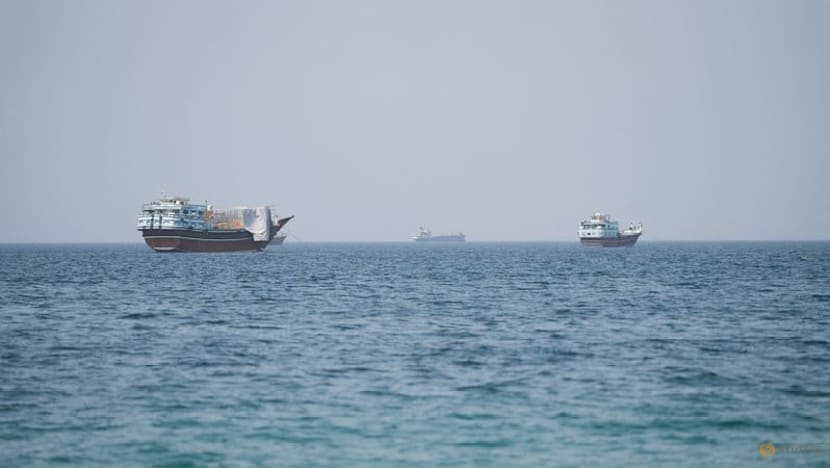
US Naval Blockade Threat Lifts Oil Prices Amid Iran Strait Tensions
Priyanka V. Rao · 3 min
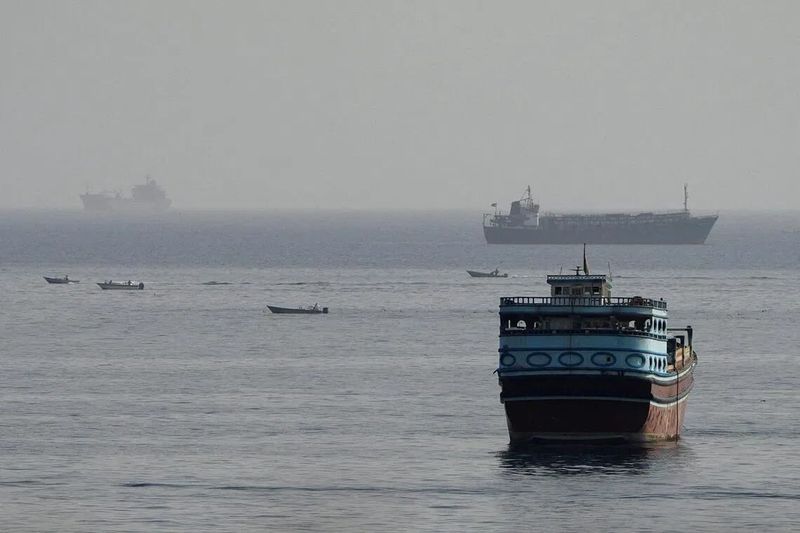
Crude Prices Climb as Iran Tightens Grip on Hormuz Transit
Priyanka V. Rao · 3 min
Oil Markets Hold Steady as Lebanon Clashes and Hormuz Threats Complicate US-Iran Talks
Priyanka V. Rao · 3 min
US Naval Blockade Threat Pushes Oil Above $87 as Iran Tightens Strait Control
Priyanka V. Rao · 3 min
Spot something wrong? Email editor@briefasia.com. We log every correction publicly.