Asia · Trade
New US Tariff Wave Targets 60 Trading Partners as Global Levy Expires
Washington prepares forced-labour duties to replace temporary 10 percent measure, escalating trade tensions with Canada, Brazil and major economies
KEY TAKEAWAYS
- ·The US will impose tariffs of 10 to 12.5 percent on 60 countries over forced-labour concerns, replacing a temporary 10 percent global duty expiring Friday.
- ·Canada faces a 50 percent tariff on many products with no USMCA exemptions, while Brazil will see a 25 percent levy affecting over USD 11 billion in exports starting Wednesday.
- ·Major Asian economies including China, India and Japan will face a 12.5 percent rate, while partners like Taiwan will see 10 percent duties based on their labour enforcement records.
Fresh Duties to Replace Expiring Measure
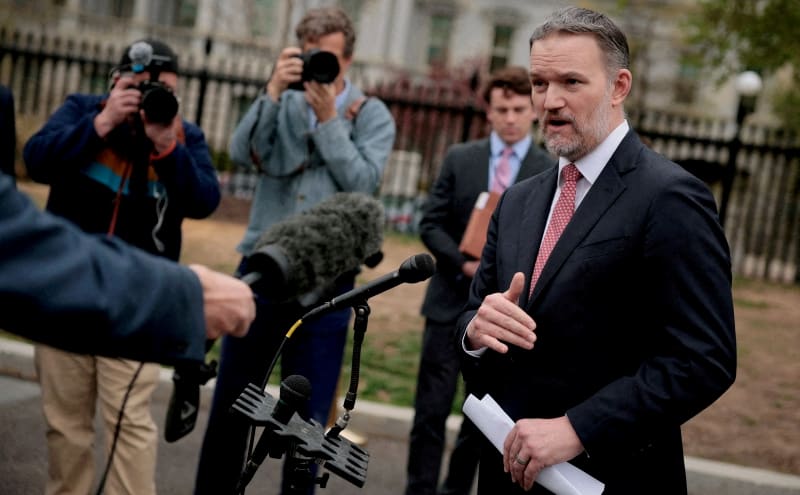
Washington is set to roll out tariffs targeting 60 trading partners within days, replacing a temporary 10 percent global levy that expires Friday. Trade envoy Jamieson Greer signalled that action is imminent, though he declined to provide a specific timeline during a Tuesday interview.
The incoming duties, justified under forced-labour concerns, will carry rates between 10 and 12.5 percent depending on each country's record of addressing labour abuses. The measures will cover the majority of US trade flows and mark the administration's latest effort to rebuild its trade agenda following Supreme Court setbacks in February that struck down earlier tariff programmes.
Partners including Canada, the EU, Mexico, Taiwan and the United Kingdom will face a 10 percent rate, reflecting assessments that these jurisdictions have taken steps to combat forced labour. More than 40 other major economies, including China, India and Japan, will see a 12.5 percent levy applied to their exports.
Canada and Mexico in Focus
The tariff push comes as Washington intensifies pressure on its North American neighbours. A 50 percent duty on a broad range of Canadian products will take effect in 30 days, the administration announced Monday. The measure notably excludes no exemptions for goods entering under the US-Mexico-Canada Agreement, raising questions about the future of the regional trade pact.
Canadian Prime Minister Mark Carney said Tuesday he is reviewing all options, adding that he and Trump agreed to intensify discussions in the coming weeks. Negotiations with Ottawa have proceeded more slowly than parallel talks with Mexico, where Greer is scheduled to travel Wednesday through Friday for USMCA review discussions.
Trade lawyers suggest the administration is using Section 338 of the Tariff Act of 1930, an untested legal provision, as leverage to extract concessions in USMCA negotiations. Dave Townsend of Dorsey & Whitney noted the higher tariffs appear designed to encourage an agreement or serve as retaliation for the failure to reach one.
Brazil Faces Election-Year Hit
A separate 25 percent tariff on Brazilian goods over unfair trade practice allegations is scheduled to take effect Wednesday, just months before Brazil's presidential election. The duty will affect more than USD 11 billion in exports, according to the American Chamber of Commerce for Brazil, which warned the measure places the country among those facing the most restrictive US market access.
Exemptions will apply to beef, coffee and certain aircraft parts, along with goods the United States does not produce domestically. Still, the scope of affected products has drawn sharp criticism from Brasília, adding to diplomatic strain between the two largest economies in the Americas.
Pharmaceutical Onshoring Push
Trump also announced Tuesday a new sector-specific tariff on imported generic drugs, set at 100 percent starting August 2028 and rising to 200 percent in 2029. The administration will initially cut the generic drug tariff to zero from August 2026, creating what officials describe as a window for pharmaceutical manufacturers to relocate production to the United States.
The pharmaceutical measure represents a different approach than the broad-based duties, targeting a specific industrial sector the administration wants to reshore rather than addressing trade imbalances or labour practices.
Trade Tensions Reignite
The flurry of announcements signals a renewed push to use tariffs as the primary tool of US trade policy, despite legal challenges and the risk of retaliation. The EU has already stated it considers forced-labour tariffs unjustified, setting the stage for potential counter-measures.
The scale of the incoming duties, covering dozens of countries and multiple sectors simultaneously, exceeds the reach of earlier tariff campaigns. Whether the measures succeed in extracting concessions or instead trigger a cycle of escalation will depend largely on how major trading partners respond in the coming weeks.
Trump told reporters Tuesday that the Canada tariffs were unrelated to his earlier threats over wildfire smoke that descended into the United States, suggesting the administration is pursuing multiple pressure points simultaneously across different trade relationships.
RELATED STORIES
US Prepares Wave of Forced Labor Tariffs as Global Duty Expires
Priyanka V. Rao · 4 min
Thai Exporters Face 12.5% US Tariff but See Little Competitive Shift
Priyanka V. Rao · 3 min
Singapore's Export Outlook Holds Steady Despite New US Labour Tariffs
Lim Hui Ying · 4 min
Washington Targets 60 Economies With Forced Labor Tariffs
Priyanka V. Rao · 3 min
Spot something wrong? Email editor@briefasia.com. We log every correction publicly.