Asia · Trade
Washington Targets 60 Economies With Forced Labor Tariffs
Philippines among partners hit with 12.5% duty as Trump administration escalates trade enforcement on labor compliance
KEY TAKEAWAYS
- ·The United States imposed tariffs on 60 economies, including a 12.5 percent duty on Philippine exports, following a probe into forced labor enforcement gaps.
- ·Philippine goods exports to the United States totaled roughly $11 billion in 2025, with electronics and garments facing direct margin pressure from the new tariff.
- ·No specific forced labor cases in the Philippines were cited; the tariff reflects a systemic assessment of enforcement infrastructure across trading partners.
Sweeping Trade Action
The United States rolled out tariffs on 60 economies Thursday, slapping the Philippines with a 12.5 percent duty after an investigation concluded that trading partners failed to adequately enforce bans on goods produced with forced labor, according to the Office of the US Trade Representative.
The tariff structure applies two rates across the affected economies: 10 percent and 12.5 percent. Manila falls into the higher bracket. The move follows a multi-month probe into labor enforcement gaps that Washington argues have allowed products tied to coerced labor to enter American supply chains.
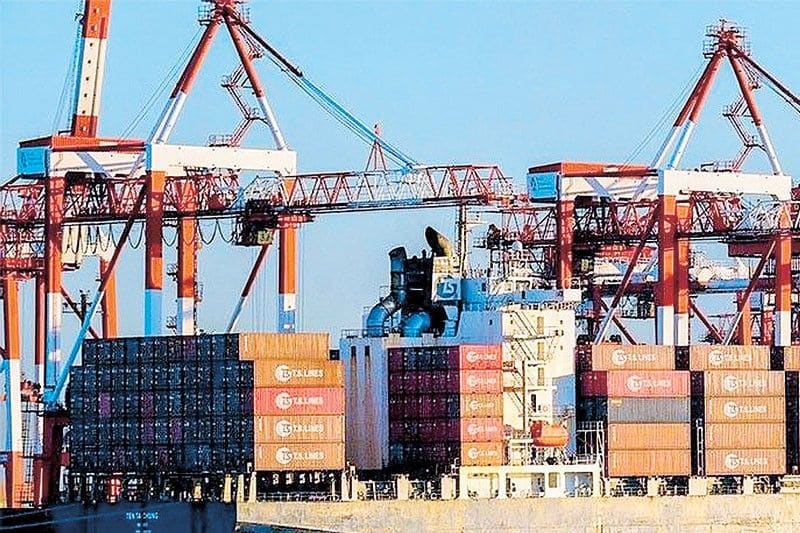
Philippine exporters now face a direct cost increase on shipments to their largest overseas market. The United States accounts for roughly 15 percent of Philippine goods exports, with electronics, garments, and agricultural products forming the bulk of bilateral trade flows.
Enforcement Rationale
The Trade Representative's office framed the tariffs as a response to what it characterized as insufficient domestic mechanisms to screen and block forced-labor goods before they reach US ports. The Trump administration has positioned labor standards as a core pillar of its trade policy, alongside earlier tariffs tied to intellectual property and industrial subsidies.
No specific forced labor cases within the Philippines were detailed in the announcement. Instead, the tariffs appear to reflect a systemic assessment of enforcement infrastructure rather than documented incidents. The breadth of the action - covering 60 economies - suggests Washington is pursuing a blanket compliance push rather than targeted penalties.
The 12.5 percent rate applied to the Philippines matches the higher tier reserved for economies the administration views as having weaker enforcement frameworks. Other major Asian exporters are also on the list, though the tariff rates vary.
Trade Corridor Impact
Philippine exports to the United States totaled approximately $11 billion in 2025, with semiconductors, machinery components, and apparel leading the categories. The new tariff will compress margins for exporters operating on thin spreads, particularly in labor-intensive sectors like garment manufacturing, where price sensitivity is acute.
Electronics manufacturers - many of them contract producers for US brands - may face pressure to absorb the duty or renegotiate terms with buyers. The tariff does not distinguish between product categories, applying uniformly across all Philippine goods entering the United States.
Manila has not yet issued a formal response. Trade officials in the Philippines have historically relied on preferential access and competitive labor costs to sustain export growth. A 12.5 percent tariff erodes that advantage and could prompt some buyers to shift orders to Vietnam, Indonesia, or Bangladesh, depending on their own tariff exposure.
Regional Trade Pressure
The tariff wave extends beyond the Philippines. Sixty economies now confront either a 10 percent or 12.5 percent duty, reconfiguring cost structures across Asian, Latin American, and African export corridors. The move signals that Washington is willing to use trade penalties as a lever to enforce labor standards, even in the absence of bilateral labor agreements or documented violations.
For the Philippines, the timing is sharp. Manila has been courting foreign direct investment in manufacturing and electronics assembly as part of a broader industrial upgrade. Higher tariffs on finished goods could complicate pitch decks to investors weighing Southeast Asian production bases.
The tariff regime also raises questions about how enforcement will be measured. If the United States expects partner economies to implement screening systems, the costs of compliance - building labor inspectorates, supply chain audits, and certification regimes - will fall on exporting nations. Smaller economies may lack the administrative capacity to meet those expectations, leaving the tariffs in place indefinitely.
What Exporters Are Watching
Philippine exporters will now calculate whether to eat the tariff, raise prices, or seek alternative markets. For high-volume, low-margin goods, a 12.5 percent duty can be terminal. For higher-value electronics and machinery, the impact is more manageable but still material.
Industry groups are likely to press Manila for a negotiated resolution or a roadmap to demonstrate compliance with US labor enforcement standards. Whether Washington will offer that path - or treat the tariffs as a permanent fixture - remains unclear. The Trade Representative's office has not published criteria for removal or outlined a review process.
The action underscores a broader shift in US trade policy: away from tariff liberalization and toward conditionality tied to non-trade issues like labor, environment, and security. For the Philippines and the 59 other economies on the list, the cost of access to the American market just went up.
RELATED STORIES

Philippine Water Operator Earmarks $400 Million for Southeast Asia Expansion
Mariel D. Santos · 2 min
Philippine Manufacturing Expands at Fastest Pace Since 2016
Priyanka V. Rao · 3 min
Philippine Economic Zones Pull Record ₱216 Billion in Eight Months
Priyanka V. Rao · 3 min

Philippines Energy Budget Climbs 26% as Electric Vehicle Funding Surges
Priyanka V. Rao · 3 min
Spot something wrong? Email editor@briefasia.com. We log every correction publicly.