Finance · Deals
Naver Eyes Brookfield Partnership for $10 Billion Data Center Build-Out
South Korea's internet giant explores asset-light model as AI infrastructure costs soar across Asia
KEY TAKEAWAYS
- ·Naver is considering a structure under which Brookfield would own GPUs and infrastructure for a ten-billion-dollar data center expansion while a Naver subsidiary sells computing capacity.
- ·The asset-light model shifts hardware obsolescence risk to Brookfield and frees Naver capital for faster-return software and platform investments.
- ·The deal would rank among Asia's largest data center partnerships and may set a financing template for other regional operators facing steep AI infrastructure costs.
Financing the AI Arms Race
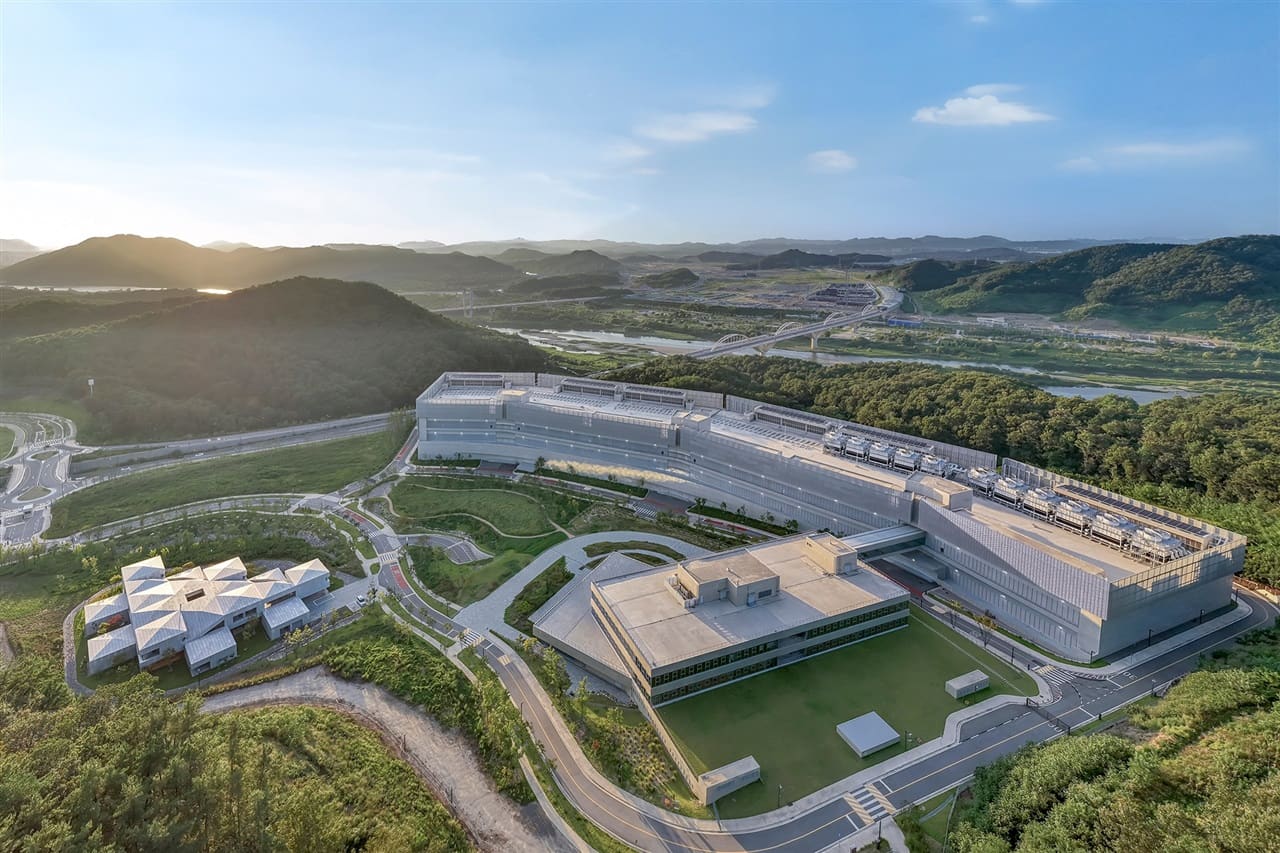
Naver is weighing an asset-light financing arrangement with Brookfield that could channel up to $9 billion into a data center expansion, according to the company. The South Korean internet platform operator plans to separate ownership from operations: a Brookfield-led investment vehicle would hold title to graphics processing units and related infrastructure, while a Naver subsidiary would market computing capacity and services to enterprise customers.
The structure reflects mounting pressure on Asian technology firms to scale AI infrastructure without tying up balance sheets. Naver has earmarked roughly $10 billion for the build-out, a figure that would rank among the region's largest single commitments to data center capacity outside China. By offloading hardware ownership, the company preserves capital for search, e-commerce, and cloud software investments that generate faster returns than physical infrastructure.
Why the Asset-Light Bet
Data centers anchored by high-performance GPUs carry steep upfront costs and long payback periods. Naver's proposal shifts asset risk to Brookfield, which has deployed more than $100 billion globally in infrastructure funds and can tolerate lower yields over longer horizons. For Naver, the trade-off is straightforward: lease expense replaces depreciation, and the subsidiary retains revenue from capacity contracts while Brookfield collects rental income tied to hardware utilization.
The model also insulates Naver from obsolescence risk. GPU generations turn over every 18 to 24 months, and contracts with hyperscale customers often include refresh clauses. Under an asset-light structure, Brookfield absorbs the cost of upgrading silicon, and Naver avoids writing down stranded equipment on its books.
Regional Context
Naver's move follows a broader pattern in Asia, where platform operators are hunting for creative capital structures as AI workloads multiply. Singapore, Tokyo, and Seoul have all seen data center land prices climb by double digits over the past year, and power grid constraints in several markets have slowed permitting. Splitting ownership from operations lets developers move faster: Brookfield can secure sites and power allocations while Naver lines up anchor tenants and fine-tunes service offerings.
The arrangement also signals confidence in sustained demand for inference and training capacity. Naver operates one of South Korea's most-visited portals and has invested heavily in large language models for search and recommendation engines. A dedicated subsidiary selling compute would serve both internal workloads and third-party customers, a dual revenue stream that underpins lease commitments to Brookfield.
What Comes Next
Naver has not disclosed a timeline for finalizing terms, and the company noted that the financing structure remains under consideration. If completed, the deal would mark one of the largest data center partnerships in Asia and set a template for other regional players weighing similar arrangements. Observers will watch whether Naver opts for sale-leaseback mechanics or a joint venture, each of which carries different tax and governance implications.
The broader question is how quickly the subsidiary can sign anchor contracts. Capacity commitments from enterprise customers or cloud resellers would de-risk Brookfield's investment and likely accelerate construction. Naver's existing relationships with Korean conglomerates and its footprint in Japan and Southeast Asia position the company to move faster than pure-play data center developers entering the region cold.
For now, the asset-light structure offers Naver a path to compete in AI infrastructure without the balance-sheet drag that has weighed on other platform operators. Whether the model scales beyond this initial expansion will depend on lease economics, utilization rates, and the pace at which GPU technology continues to evolve.
RELATED STORIES
Samsung Settles Netlist Patent Fight With $897 Million Deal
Cheng Wei-Lun · 3 min
Seoul Stock Market Drops 4.6% as AI Profit Concerns Hit Tech Sector
Cheng Wei-Lun · 3 min
Asian Tech Stocks Surge as Weak US Jobs Data Dims Rate Hike Outlook
Cheng Wei-Lun · 4 min
Seoul Market Climbs on Tech Rally After US Jobs Data
Cheng Wei-Lun · 3 min
Spot something wrong? Email editor@briefasia.com. We log every correction publicly.