Finance · Deals
Samsung Settles Netlist Patent Fight With $897 Million Deal
Five-year licensing agreement ends years of litigation over server memory and HBM technology, reopening commercial ties between the two firms.
KEY TAKEAWAYS
- ·Samsung Electronics will pay Netlist up to $897 million over five years under a settlement covering server memory, HBM, and technology cooperation.
- ·The deal ends years of litigation and removes a legal obstacle as Samsung competes with SK hynix for AI-related memory orders.
- ·The agreement validates Netlist's patent portfolio and may influence licensing discussions with other memory manufacturers in Asia.
The Settlement Terms
Samsung Electronics has agreed to pay Netlist up to $897 million in gross licensing fees spanning five years, according to the companies. The payment structure resolves multiple lawsuits between the South Korean electronics giant and the California-based memory technology firm, while simultaneously reopening commercial channels that had been frozen during the legal battle.
The deal covers several overlapping domains: server memory modules, high-bandwidth memory technology, product supply arrangements, and technology cooperation. Both companies announced the agreements this week, marking the end of a protracted intellectual property conflict that had been playing out in courts on both sides of the Pacific.
From Courtroom to Boardroom
The litigation had become one of the semiconductor industry's more closely watched patent disputes, particularly as demand for advanced memory solutions accelerated alongside the growth of artificial intelligence infrastructure and data center expansion. Netlist, which develops and licenses memory subsystem technology, had pursued Samsung through multiple venues, claiming infringement on its patents related to memory module architecture and performance optimization.
Samsung, the world's largest memory chip manufacturer by revenue, had contested the claims while simultaneously facing supply chain pressure to secure stable access to cutting-edge memory technology. The settlement allows both parties to redirect resources from legal fees toward product development and market execution.
The financial structure of the agreement spreads payments across a five-year period, providing Netlist with a predictable revenue stream while giving Samsung time to integrate the licensed technology into its product roadmap. The gross licensing fee of up to $897 million represents one of the larger patent settlements in the memory sector in recent years, though the final amount will depend on production volumes and specific technology deployments covered under the terms.
Asia's Memory Ecosystem at Stake
The resolution carries weight beyond the two companies. Samsung's memory division supplies chips to nearly every major cloud provider, smartphone manufacturer, and enterprise server maker in Asia and globally. Any disruption to its production or licensing arrangements reverberates through supply chains from Seoul to Shenzhen, affecting pricing and availability for downstream customers.
Netlist, meanwhile, has positioned itself as a critical intellectual property holder in next-generation memory architectures. Its patents touch on designs that improve data transfer speeds and power efficiency, attributes that have become essential as AI training workloads push memory subsystems to their limits. The renewed commercial relationship suggests Samsung will incorporate Netlist's technology more deeply into its HBM roadmap, which is already under pressure from competitors in Taiwan and the United States.
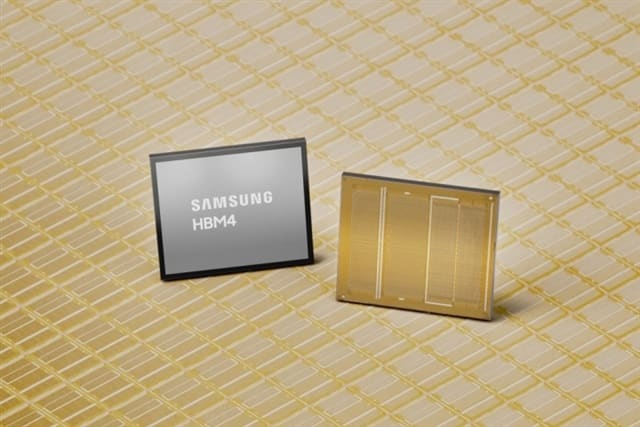
High-bandwidth memory has emerged as a strategic battleground in the semiconductor industry. HBM stacks multiple DRAM dies vertically, delivering the bandwidth required by graphics processors and AI accelerators. Samsung, SK hynix, and Micron dominate production, but patent portfolios held by smaller firms like Netlist can constrain design freedom or add cost if licensing terms are unfavorable. This settlement removes a legal overhang that had created uncertainty for Samsung's customers evaluating long-term supply commitments.
What Comes Next
The technology cooperation component of the agreement opens the door for joint development efforts, though neither company has disclosed specific projects. Industry observers expect the collaboration to focus on memory module designs for AI servers and next-generation HBM variants, areas where performance gains remain incremental and require tight coordination between module designers and chip manufacturers.
For Netlist, the deal provides capital to fund further research and potentially pursue licensing discussions with other memory makers. The company has historically operated with a lean business model, relying on licensing revenue rather than large-scale manufacturing. The Samsung settlement validates its patent portfolio and may strengthen its negotiating position with other industry players.
For Samsung, the agreement clears a legal obstacle at a time when the company is working to regain ground in the HBM market. SK hynix has captured significant AI-related memory orders over the past two years, and Samsung's ability to offer competitive, legally unencumbered products will influence its share of that fast-growing segment.
The settlement also underscores a broader trend in the semiconductor industry: as technology complexity increases, patent licensing and cross-licensing arrangements are becoming as strategically important as manufacturing capacity. Companies that control key intellectual property can extract value even without owning fabs, while manufacturers must navigate an increasingly dense thicket of patents to bring products to market. This deal is a reminder that in Asia's tightly interconnected chip ecosystem, legal strategy and technical innovation are inseparable.
RELATED STORIES
Seoul Stock Market Drops 4.6% as AI Profit Concerns Hit Tech Sector
Cheng Wei-Lun · 3 min

Asian Tech Stocks Surge as Weak US Jobs Data Dims Rate Hike Outlook
Cheng Wei-Lun · 4 min
Seoul Market Climbs on Tech Rally After US Jobs Data
Cheng Wei-Lun · 3 min

KT&G Posts Fourth Consecutive Quarter of Double-Digit Profit Growth
Cheng Wei-Lun · 3 min
Spot something wrong? Email editor@briefasia.com. We log every correction publicly.