Lifestyle · Fashion
Musinsa Opens Seoul Showroom to International Retailers for Private Label Push
The Korean e-commerce platform's three-day buying event signals ambitions to position its in-house fashion line alongside established Asian brands in overseas markets
KEY TAKEAWAYS
- ·Musinsa hosted a three-day buyer showcase in Seoul for its private label Musinsa Standard, previewing 2027 spring-summer collection to international retailers including Japanese buyers.
- ·The event marks the platform's push to scale its in-house brand through wholesale channels, capturing higher margins and reducing reliance on third-party suppliers.
- ·Success hinges on establishing credibility with professional buyers and competing against established labels in mature markets like Japan where Korean fashion has gained cultural traction.
A Calculated Debut
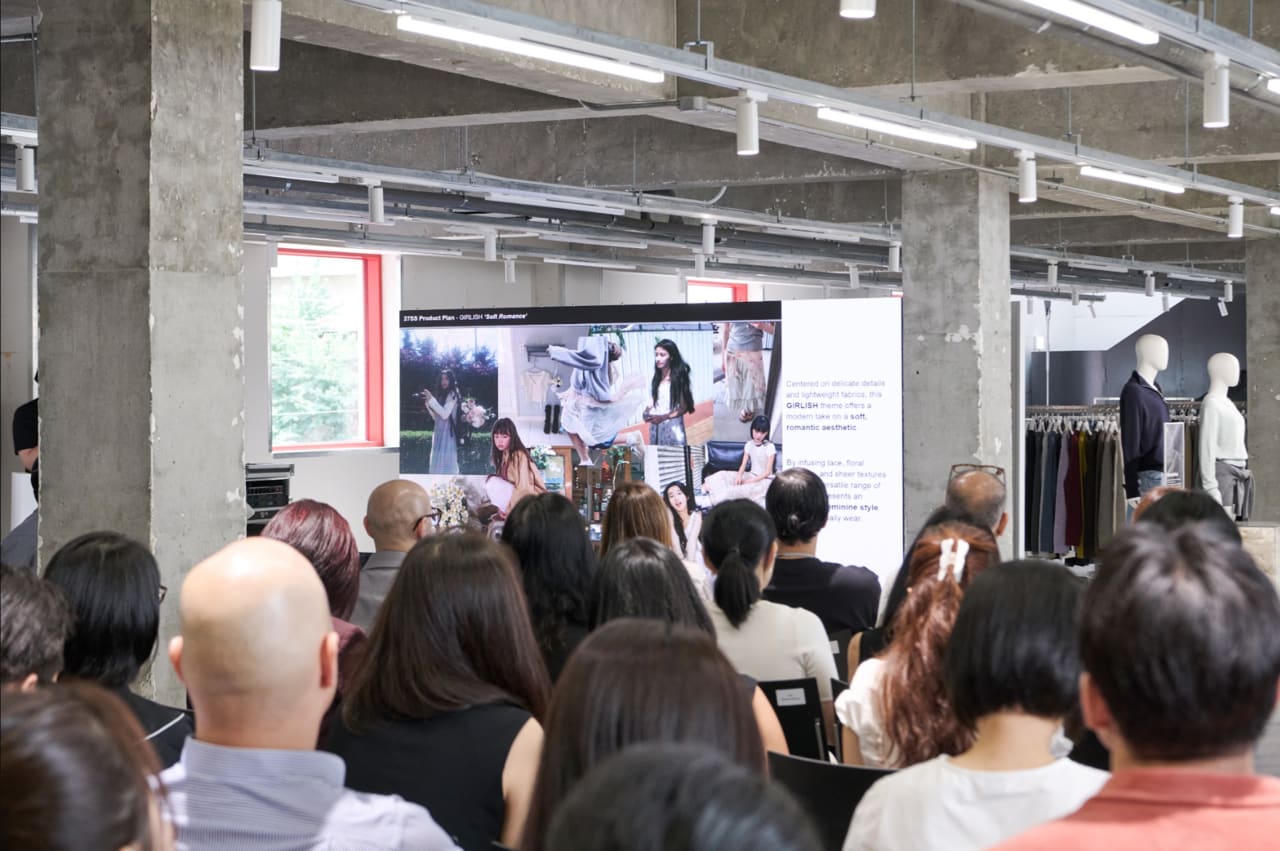
Musinsa hosted its inaugural international buyer showcase in Seoul this week, opening the doors of its private label operation to overseas fashion retailers for the first time. The three-day event centered on Musinsa Standard, the platform's in-house apparel line, and offered visiting merchants an early view of next year's spring-summer inventory alongside presentations on creative direction and go-to-market planning.
The timing reflects a broader pattern across Asian e-commerce: platforms that built dominance through aggregation are now investing heavily in owned brands that carry higher margins and tighter supply-chain control. Musinsa Standard sits within that category, functioning as both a revenue stream and a branding vehicle for the parent marketplace.
Attendees traveled from Japan and other regional markets, according to the company. The guest list included buyers from established fashion retail channels, though Musinsa declined to name specific partners or provide attendance figures. The event format combined product displays with strategy sessions, designed to give retailers insight into how the brand intends to position itself in 2027 and beyond.
The Private Label Calculus
For platform operators like Musinsa, private labels solve several problems at once. They reduce dependency on third-party suppliers, capture margin that would otherwise flow to external brands, and create differentiation in a crowded online apparel market. In South Korea, where fashion e-commerce has matured rapidly over the past decade, owned brands have become a standard part of the playbook for major players.
Musinsa Standard launched as a basics-focused line, emphasizing fit, fabric quality, and accessible price points. The brand has since expanded its assortment, adding seasonal collections and collaborating with designers to broaden its appeal. By hosting a dedicated buyer event, the company signals intent to treat the label not merely as a house brand but as a standalone entity capable of wholesale distribution.
The move also reflects shifting dynamics in Asian fashion retail. Japanese buyers, in particular, have shown growing interest in Korean apparel brands over the past several years, driven by the cultural influence of K-pop, Korean dramas, and social media trends. Musinsa is positioning itself to capture that demand at the wholesale level, rather than relying solely on direct-to-consumer channels.
Regional Context and Competitive Pressure
South Korea's fashion platform market has grown intensely competitive. Musinsa competes with rivals including Zigzag, W Concept, and 29CM, each vying for share among the country's digitally fluent shoppers. Differentiation has become harder as assortments overlap and customer acquisition costs rise. Private labels offer one path to stand out, but only if they can achieve brand recognition beyond the parent platform.
Taking Musinsa Standard international introduces new challenges. The brand will need to establish credibility with buyers accustomed to working with established labels, navigate logistics and compliance across borders, and compete on both price and design against incumbents. The Seoul showcase represents an early test of whether the label can hold its own in conversations with professional merchandisers who evaluate dozens of lines each season.
Japan represents a logical first target. The country's fashion retail infrastructure is mature, with dense networks of specialty boutiques, department stores, and multi-brand chains. Korean fashion has gained traction there in recent years, particularly among younger consumers. However, wholesale partnerships require more than cultural tailwinds; they depend on reliable production, consistent quality, and the ability to meet delivery windows and volume commitments.
What the Showcase Reveals
The structure of the event itself offers clues about Musinsa's approach. By combining product previews with marketing and design presentations, the company is positioning Musinsa Standard as a brand with a coherent creative vision, not simply a private label that fills gaps in the parent platform's assortment. That distinction matters to buyers, who assess not just the garments themselves but the story and positioning that will drive consumer interest.
The focus on spring-summer 2027 merchandise gives retailers a roughly nine-month lead time, aligning with standard fashion industry cycles. It also suggests that Musinsa is planning a phased rollout, allowing time to secure wholesale partnerships, finalize production, and coordinate launches across markets.
The decision to host the event in Seoul, rather than in a traditional fashion capital like Tokyo or Shanghai, underscores the company's confidence in its home market's growing influence. Over the past decade, Seoul has emerged as a hub for fashion innovation in Asia, with local brands increasingly setting trends rather than following them. By bringing buyers to Korea, Musinsa reinforces that narrative while maintaining control over the presentation environment.
Scaling Beyond the Platform
For Musinsa, the long-term question is whether Musinsa Standard can achieve meaningful scale outside the platform's existing customer base. Owned brands that succeed tend to do so by building distinct identities that transcend their parent companies. Uniqlo began as a store brand; Zara operates within the Inditex portfolio but commands global recognition on its own terms. Musinsa Standard faces the challenge of making that leap in a market already crowded with both international fast-fashion giants and nimble local competitors.
Wholesale distribution offers one path. If the brand can secure shelf space in Japan, Southeast Asia, and eventually other regions, it gains exposure to shoppers who may never visit the Musinsa platform. That exposure can feed back into direct sales, creating a virtuous cycle. However, wholesale also introduces dependencies on retail partners, whose priorities and timelines may not always align with the brand's own plans.
The Seoul showcase represents a deliberate step in that direction. Whether it translates into sustained international growth will depend on execution: the quality of the product, the reliability of the supply chain, and the brand's ability to carve out a distinct identity in markets where Korean fashion is trendy but not yet a default choice. The event signals intent; the next twelve months will reveal whether Musinsa Standard can deliver on it.
RELATED STORIES
SK Hynix Takes Top Stake in Kioxia as Toshiba Reduces Holdings
Cheng Wei-Lun · 3 min
SK Hynix-Linked Vehicle Takes Top Stake in Kioxia as Toshiba Exits
Cheng Wei-Lun · 3 min
Shinsegae Posts Record First-Half Profit on Luxury Demand and Tourism Rebound
Cheng Wei-Lun · 3 min
Lotte Mart Challenges Coupang's Dawn Delivery Dominance in South Korea
Jun-ho Seo · 3 min
Spot something wrong? Email editor@briefasia.com. We log every correction publicly.