Technology · Dev
Lotte Mart Challenges Coupang's Dawn Delivery Dominance in South Korea
The retail giant opens a $141 million automated fulfillment center in Busan, signaling intensified competition in the country's ultrafast delivery market
KEY TAKEAWAYS
- ·Lotte Mart launched a 40,000-square-meter automated fulfillment center in Busan with a $141 million investment in partnership with Ocado.
- ·The facility uses robotics and AI for 24-hour operations, targeting South Korea's dawn delivery market historically dominated by Coupang.
- ·Traditional retailers are deploying automation to compete on speed and cost, signaling intensified competition in ultrafast delivery.
Retail Giant Enters Ultrafast Delivery Race
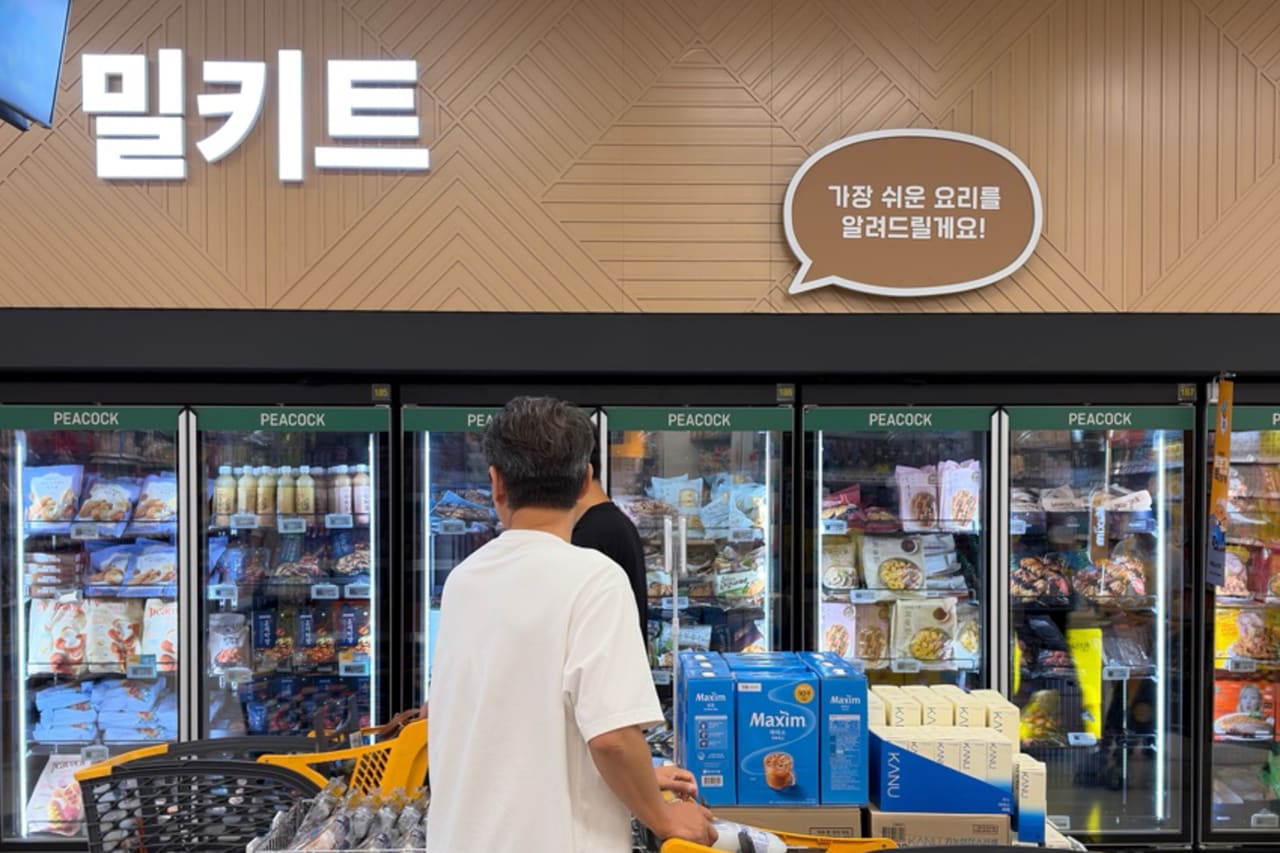
South Korea's dawn delivery landscape is facing its most significant competitive shift in years. Lotte Mart has opened an automated fulfillment center in Busan, deploying advanced robotics and artificial intelligence across a 40,000-square-meter facility built in partnership with British retail technology firm Ocado. The investment totals approximately 200 billion won, or $141 million, according to Lotte Mart.
The facility operates continuously, with automated systems handling inventory management, order selection, packing, and delivery coordination. This marks Lotte's first major infrastructure investment aimed specifically at the dawn delivery segment, a market category that has historically been controlled by a small group of e-commerce operators.
Coupang's Long-Standing Market Position
Coupang has maintained its position as the dominant player in South Korea's dawn delivery market for years, building customer loyalty through predictable next-morning fulfillment and an extensive logistics network. The company's model centers on large-scale warehouses positioned strategically near population centers, enabling overnight processing and early-morning delivery windows.
The dawn delivery format has become a defining feature of South Korean e-commerce, with consumers expecting grocery and household items ordered late in the evening to arrive before breakfast. This operational model requires substantial capital investment in warehousing, automation, and last-mile logistics, creating barriers to entry that have kept the competitive field relatively narrow.
Automation as Competitive Lever
Lotte Mart's partnership with Ocado brings proven retail automation technology to the Korean market. Ocado's systems use robotics to move products through warehouses at high speed, reducing the labor intensity of order fulfillment and enabling higher throughput during peak hours. The technology has been deployed in grocery operations across the United Kingdom and is now being licensed to retailers in multiple markets.
For Lotte, the automation investment addresses two challenges simultaneously: it reduces long-term operating costs while increasing the speed and accuracy of order processing. These improvements are essential for competing on delivery windows, where even small delays can erode customer trust.
The Busan facility represents a test case for Lotte's broader dawn delivery ambitions. If the operation proves viable, the company is positioned to replicate the model in other metropolitan areas, including Seoul and its surrounding satellite cities.
Broader Competitive Pressure
Lotte Mart is not the only traditional retailer eyeing the dawn delivery category. Other major players in South Korea's retail landscape have signaled interest in expanding their ultrafast fulfillment capabilities, attracted by the segment's growth and the potential to capture a larger share of grocery spending.
The competitive pressure comes at a time when consumer expectations around delivery speed continue to rise. What was once a premium service has become a baseline expectation for many urban households, particularly in densely populated cities where logistics infrastructure can support tight delivery windows.
For Coupang, the entry of well-capitalized competitors with existing retail footprints represents a shift in competitive dynamics. While the company retains advantages in scale and brand recognition, new entrants with automation-driven cost structures and established supplier relationships may narrow the gap over time.
What Lies Ahead
The dawn delivery market in South Korea is entering a more contested phase. Lotte Mart's Busan facility signals that traditional retailers are willing to commit significant capital to compete on speed and convenience, challenging the operational models that have defined the category.
The outcome will depend on execution: whether new entrants can match the reliability and customer experience that Coupang has built over years of operation, and whether automation investments translate into sustainable cost advantages. For consumers, increased competition is likely to mean more choice, broader product selection, and continued pressure on delivery times.
RELATED STORIES

Samsung Pushes Taylor Fab Qualification as 2nm Demand Reshapes US Capacity Strategy
Cheng Wei-Lun · 3 min

South Korea Posts Record Early-August Export Surge on Memory Chip Demand
Cheng Wei-Lun · 3 min

Seoul Warns Against Redistributing Chip Profits as China Investment Accelerates
Jun-ho Seo · 2 min
Korean Builders Race to Secure Power Equipment for AI Data Centers
Jun-ho Seo · 3 min
Spot something wrong? Email editor@briefasia.com. We log every correction publicly.