Lifestyle · Luxury
Shinsegae Posts Record First-Half Profit on Luxury Demand and Tourism Rebound
South Korea's retail giant saw operating profit surge 75.7 percent as department store investments and affiliate restructuring paid off
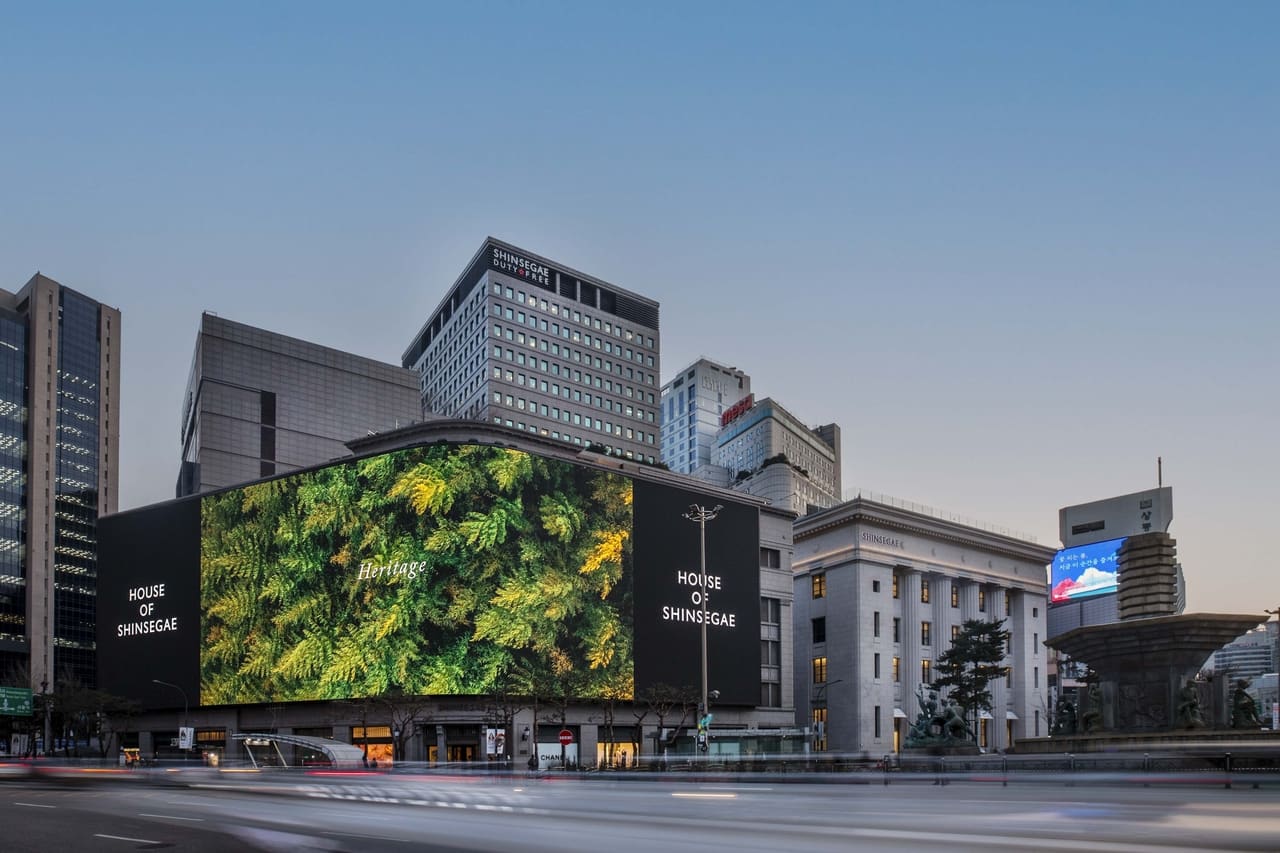
KEY TAKEAWAYS
- ·Shinsegae achieved record first-half sales of 6.36 trillion won and operating profit of 365 billion won, up 10.1 percent and 75.7 percent respectively.
- ·The surge was driven by luxury spending from domestic consumers and a rebound in foreign tourist arrivals at Seoul flagship stores.
- ·Affiliate restructuring and department store investments improved margins across the conglomerate's retail operations.
Strong Performance Across Retail Operations
Shinsegae announced Tuesday that it achieved its strongest first-half performance on record, with sales reaching 6.36 trillion won ($4.5 billion) for the January-to-June period. The South Korean retail conglomerate reported a 10.1 percent increase in revenue compared to the same period last year, while operating profit climbed 75.7 percent to 365 billion won.
The company attributed the results to sustained investments in its department store network and ongoing efforts to streamline operations across its affiliate businesses. Both revenue and profit figures represent all-time highs for a six-month period in the company's history.
Second-quarter results mirrored the strong momentum, with Shinsegae logging 3.14 trillion won in sales for the April-to-June quarter. The performance underscores a broader recovery in South Korea's retail sector, particularly in the premium segment where domestic purchasing power and inbound tourism have converged.
Luxury Segment and Foreign Visitors Drive Growth
The surge in profitability comes as Shinsegae's flagship department stores in Seoul have benefited from two concurrent trends: resilient domestic demand for luxury goods and a sharp rebound in foreign tourist arrivals. International visitors, particularly from China and Southeast Asia, have returned to pre-pandemic levels in key shopping districts.
Department store operators across Seoul have seen foreign shoppers account for a growing share of luxury sales, with Chinese tourists alone representing a significant portion of high-ticket purchases. Shinsegae's locations in Gangnam and Myeongdong have been among the primary beneficiaries, as these districts remain anchor destinations for both domestic affluent consumers and international visitors seeking premium brands.
The company's strategy of upgrading its department store offerings with exclusive brand partnerships and expanded luxury floor space has positioned it to capture this demand more effectively than competitors. Investments in customer service infrastructure tailored to foreign shoppers, including multilingual staff and tax-refund services, have also contributed to higher conversion rates.
Affiliate Restructuring Improves Margins
Beyond the department store business, Shinsegae's improved profitability reflects progress in restructuring its portfolio of affiliate companies. The conglomerate has been working to divest underperforming units and consolidate operations in areas where it holds stronger market positions.
This restructuring has allowed the group to reduce operating costs and focus capital on higher-margin businesses. The company's food and grocery divisions, which include the E-Mart hypermarket chain, have also seen margin improvements through supply chain optimization and a shift toward private-label products.
The affiliate streamlining effort is part of a longer-term strategy to improve return on invested capital and reduce exposure to cyclical retail categories that have faced pressure from e-commerce competition. By concentrating resources on premium retail and select food operations, Shinsegae aims to maintain profitability even as consumer spending patterns evolve.
Outlook and Regional Context
The record first-half results position Shinsegae favorably as it enters the second half of the year, though the retail environment remains subject to macroeconomic variables including consumer confidence and currency fluctuations that affect tourist spending.
South Korea's retail sector has shown resilience compared to other major Asian markets, supported by a relatively stable labor market and sustained demand in the upper-income bracket. However, competition remains intense, with rival operators also upgrading their luxury offerings and department stores in markets like Singapore and Tokyo vying for the same pool of high-spending international tourists.
For Shinsegae, maintaining momentum will depend on its ability to continue attracting foreign shoppers while defending its position among domestic luxury consumers. The company's performance in the coming quarters will serve as a barometer for the health of Asia's premium retail segment, particularly as tourism flows stabilize and domestic consumption trends become clearer.
RELATED STORIES
Musinsa Opens Seoul Showroom to International Retailers for Private Label Push
Cheng Wei-Lun · 4 min
Hanwha Bids Up to $1.2 Billion for Austal's US Shipyard
Cheng Wei-Lun · 2 min
Fitch Flags Market Concentration Risk After Korea Stock Sell-Off
Cheng Wei-Lun · 4 min
South Korea Delays After-Hours ETF Trading Over Pricing Concerns
Cheng Wei-Lun · 3 min
Spot something wrong? Email editor@briefasia.com. We log every correction publicly.