Asia · Business
Midea Doubles Portable Air Conditioner Shipments to Europe in First Half of 2026
Chinese home appliance giant exported 200,000 no-installation units as manufacturers pivot to overseas markets amid domestic slowdown
KEY TAKEAWAYS
- ·Midea shipped 200,000 portable air conditioners to Europe in the first half of 2026, matching double its entire 2025 volume.
- ·Chinese home appliance manufacturers are accelerating overseas expansion as domestic property sector weakness dampens demand for white goods.
- ·Portable cooling units allow Chinese brands to enter European markets without the installation and service networks required for traditional systems.
Portable Units Drive Export Growth
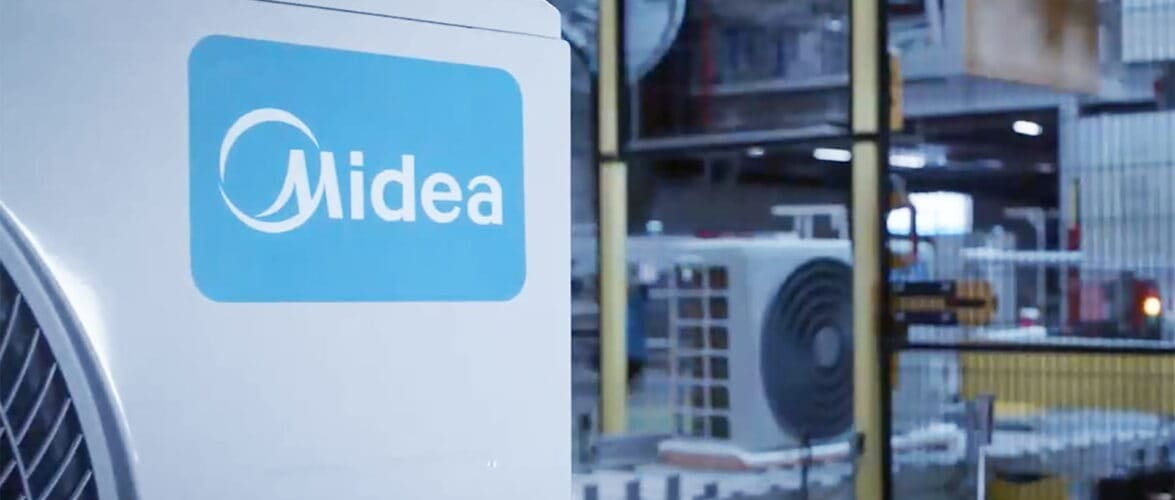
Midea Group exported 200,000 portable air conditioning units to Europe between January and June 2026, according to the company. The figure represents a doubling of the manufacturer's entire 2025 shipment volume for these no-installation systems.
The surge comes as European consumers face sustained high temperatures and seek cooling solutions that bypass traditional installation requirements. Portable air conditioners, which require only a window vent and standard electrical outlet, have gained traction in markets where permanent installations face regulatory hurdles or rental restrictions.
The Guangdong-based appliance manufacturer has positioned these plug-and-play units as a strategic entry point into European residential markets. Unlike split-system air conditioners that require professional mounting and refrigerant handling, portable models allow Midea to sidestep installation service networks that typically favor incumbent brands.
Weak Domestic Demand Accelerates Overseas Push
Chinese home appliance makers are facing sustained pressure in their domestic market. Property sector weakness has dampened demand for white goods, while price competition has compressed margins on standard product lines.
Midea's European portable air conditioner performance illustrates a broader strategic shift among Chinese manufacturers toward export-led growth. The company is leveraging its manufacturing scale and cost structure to compete on price in markets where cooling penetration remains below Asian levels.
Europe's residential air conditioning adoption rate sits well below 10 percent in most northern and central markets, compared to near-saturation in urban China and Japan. Heat events over the past three summers have begun shifting consumer attitudes in traditionally temperate climates, creating openings for affordable cooling products.
Market Positioning and Distribution
Midea has built distribution partnerships with major European electronics and home improvement retailers over the past 24 months. The portable air conditioner category allows the brand to secure shelf space without the after-sales service infrastructure required for installed systems.
Pricing has been a key lever. Chinese-manufactured portable units typically retail 30 to 40 percent below equivalent-capacity models from European or Japanese brands, a gap that resonates with cost-conscious consumers facing elevated energy and housing expenses.
The company has also emphasized energy efficiency ratings that meet EU labeling requirements, addressing a potential barrier in environmentally conscious markets. Several Midea portable models carry A-class ratings under the revised EU energy label framework introduced in 2021.
Implications for Regional Competition
The export acceleration poses challenges for established air conditioning brands in Europe. Japanese manufacturers including Daikin and Mitsubishi Electric have historically dominated the premium installed segment, while European brands such as De'Longhi hold share in portable and supplemental cooling.
Midea's volume growth in portables could pressure these incumbents on margin, particularly in the entry and mid-tier segments. It also signals the potential for Chinese brands to expand into higher-value product categories as they build brand recognition and distribution scale.
For European policymakers, the influx of low-cost Chinese cooling equipment raises familiar questions about trade balance and industrial competitiveness. The EU has already imposed anti-dumping measures on Chinese-made solar panels and electric vehicles; home appliances could face similar scrutiny if import volumes continue climbing.
The portable air conditioner segment remains a fraction of the overall HVAC market, but its growth trajectory and the strategic intent behind it merit attention. Midea and peers are using accessible product categories to establish beachheads in developed markets, with longer-term ambitions that extend well beyond plug-in cooling units.
RELATED STORIES
Midea Ships 200,000 Portable Air Conditioners to Europe in Six Months
Cheng Wei-Lun · 3 min
Chinese Automakers Eye Up to 30% of European Market by 2035
Cheng Wei-Lun · 3 min
Opel's China Partnership and Job Cuts Expose Europe's Auto Decline
Cheng Wei-Lun · 3 min

China Opens Weekly Arctic Shipping Service to Europe, Halving Transit Times
Cheng Wei-Lun · 3 min
Spot something wrong? Email editor@briefasia.com. We log every correction publicly.