Asia · Trade
Philippines Rice Tariff Revenue Climbs to $213 Million on Import Surge
Higher import volumes and a weaker peso pushed seven-month collections 18 percent above last year, bolstering the fund meant to modernize local production.
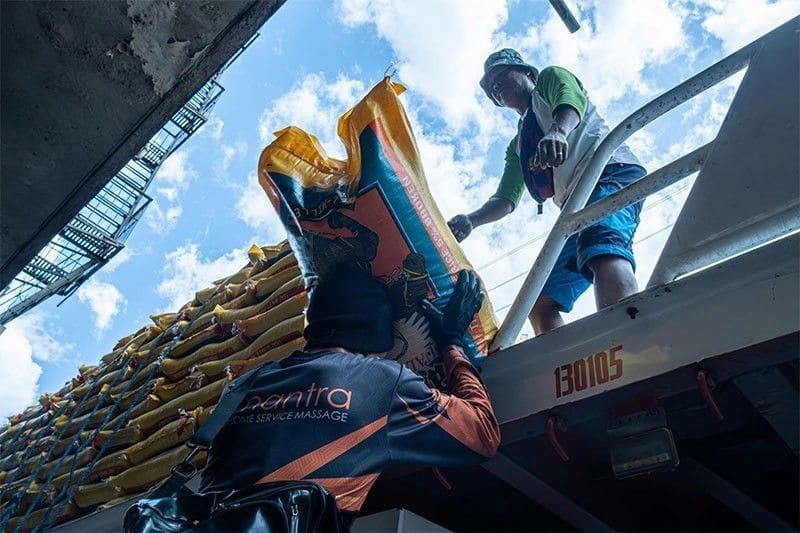
KEY TAKEAWAYS
- ·Philippine rice tariff collections reached P12.8 billion in the first seven months of 2026, an 18 percent increase driven by 3.42 million tons of imports and a weaker peso averaging P60.10 per dollar.
- ·July recorded the highest monthly import volume at 931,646 tons as traders capitalized on a six percent drop in Vietnamese rice prices to $457.30 per ton.
- ·Revenue above the P30 billion annual threshold remains earmarked for the Rice Competitiveness Enhancement Fund, intended to modernize domestic production under the 2019 tariff regime.
Revenue Jump Reflects Import Dependency
The Bureau of Customs collected P12.8 billion ($213 million) in rice tariffs from January through July, P2 billion above the same period in 2025, preliminary figures show. July alone brought in nearly P2.2 billion, almost double the year-earlier month.
Import volume rose more than a quarter year-on-year to 3.42 million metric tons during the seven-month window, compared with 2.69 million tons in 2025. Agriculture officials have said the higher shipments are intended to cushion domestic supply against El Niño-related production risks.
Applications for rice import permits reached a 2026 peak in July at 931,646 tons, Bureau of Plant Industry data show. From January to July, eligible traders and importers applied to bring in nearly five million tons.
Currency Weakness Amplifies Collections
The peso averaged around P60.10 to the dollar on imported rice during the period, about five percent weaker than the P57.08 rate a year earlier, customs records indicate. That depreciation lifted tariff revenue in peso terms even as global benchmark prices eased.
The average price of five-percent broken Vietnamese fragrant rice, the most popular imported variety, fell six percent year-on-year to $457.30 per ton from January to July, according to the UN Food and Agriculture Organization. Lower overseas prices have encouraged importers to increase shipments despite the currency headwind.
Fund Allocation Under Scrutiny
The tariff stream finances the Rice Competitiveness Enhancement Fund, which receives a guaranteed P30 billion annually under current law. When collections fall short, the Department of Agriculture covers the gap from its regular budget. Any surplus above P30 billion remains earmarked for rice-sector modernization.
At the current run rate, full-year collections are on track to exceed the threshold, though seasonal variation in import demand and exchange-rate swings can shift the outcome. The monitoring has taken on greater importance since the fund was established to offset the competitive pressure that lower tariffs place on domestic growers.
Manila maintains a 35-percent tariff on most rice imports under the 2019 law that replaced quantitative restrictions, a shift that opened the market but squeezed farm-gate prices. The resulting revenue is the primary mechanism for channeling support back to the sector, funding mechanization, seed programs, and extension services.
Regional Context
The Philippines remains Southeast Asia's largest rice importer, a position driven by population growth, climate vulnerability, and yield gaps relative to neighbors. Vietnam and Thailand supply the bulk of inbound shipments, benefiting from scale advantages and more predictable weather patterns.
Other importers in the region, including Indonesia and Malaysia, have tightened or eased trade rules in recent years depending on domestic harvest outcomes and inflation pressures. The Philippine approach, anchored by a stable tariff rate and the reinvestment fund, represents a middle path between autarky and full liberalization.
How effectively the collected revenue translates into productivity gains will determine whether the tariff model can reconcile cheap imports with a viable domestic sector. Early results have been mixed, with mechanization uptake uneven and extension reach still limited in many provinces.
RELATED STORIES

Philippines Races to Launch $80 Million Food Hub in Clark by Late 2027
Mariel D. Santos · 3 min
Philippines Milk Output Jumps 21% as Dairy Herd Expands
Mariel D. Santos · 3 min
Manila's Sovereign Fund Targets Year-End Close on $340 Million Grid Stake
Priyanka V. Rao · 3 min

Philippines Faces Uphill Battle to Meet 2027 Tax Revenue Targets
Priyanka V. Rao · 3 min
Spot something wrong? Email editor@briefasia.com. We log every correction publicly.