Asia · Business
Philippines Races to Launch $80 Million Food Hub in Clark by Late 2027
A 40-hectare facility backed by the agriculture department aims to cut logistics costs and connect farms directly to wholesale and export markets
KEY TAKEAWAYS
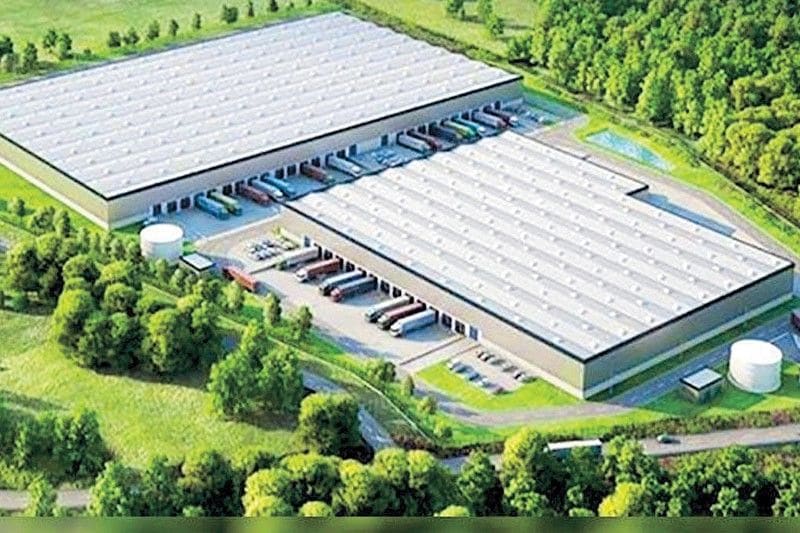
- ·The Philippines aims to partially open a 4 billion peso food hub in Clark, Pampanga, by the end of 2027, consolidating storage, processing, and distribution on a 40-hectare site.
- ·The facility is expected to generate 2,500 jobs and address inefficiencies that erode farmer incomes and inflate consumer prices through fragmented logistics networks.
- ·Food Terminal Inc. has studied hub models in Thailand, France, Spain, the Netherlands, and Japan to design operations that connect producers directly to wholesale and export markets.
Fast-Track Construction Underway
Agriculture Secretary Francisco Tiu Laurel Jr. has instructed officials to accelerate construction of a 4 billion peso national food hub in Clark, Pampanga, with partial operations targeted for the fourth quarter of 2027. The Department of Agriculture formalized funding, development, and operational agreements with the state-owned Food Terminal Inc. on August 12, setting the project's timeline into motion.
The 40-hectare facility represents a partnership between the Clark International Airport Corp. and FTI, designed to consolidate food aggregation, cold storage, processing, distribution, and marketing under one roof. Tiu Laurel positioned the project as a response to a structural gap in Philippine agriculture, where fragmented logistics networks erode farmer margins, deter private capital, and push up retail prices for consumers.
Planned infrastructure includes cold-storage warehouses, processing zones, food safety laboratories, export processing services, and dedicated wholesale and retail spaces. The hub intends to shorten the distance between harvest and market, reducing spoilage and intermediary costs that have long burdened the country's agricultural supply chain.
International Benchmarking and Operational Readiness
FTI has been preparing for the project since 2025, assembling a team tasked with designing operational workflows and studying comparable facilities abroad. The team visited food hub and logistics operations in Thailand, France, Spain, the Netherlands, and Japan, examining models that could be adapted to Philippine conditions, according to the Department of Agriculture.
FTI president Joseph Lo confirmed that the corporation will operate, manage, and maintain the facility once it opens. The Department of Agriculture will oversee project implementation and monitor construction progress. The division of responsibilities is intended to separate regulatory oversight from day-to-day operations, a structure the government has replicated in other infrastructure projects.
Employment and Sector Linkages
The food hub is expected to generate approximately 2,500 jobs once fully operational, spanning roles in warehousing, processing, quality control, logistics, and retail. Beyond direct employment, the facility is designed to create upstream opportunities for farmers and fishers by offering a centralized, reliable off-take point that bypasses traditional trading chains.
By linking producers directly to wholesale buyers, export processors, and retail outlets within the same complex, the hub aims to improve price transparency and reduce the number of intermediaries who traditionally capture value in the supply chain. The model mirrors integrated food parks in Thailand and the Netherlands, where co-location of storage, processing, and distribution has demonstrably lowered transaction costs.
Addressing Structural Inefficiencies
Philippine agriculture has long struggled with post-harvest losses and logistics inefficiencies. Poor road networks, limited cold-chain infrastructure, and fragmented markets mean that produce often travels through multiple middlemen before reaching consumers, losing quality and value at each step. Farmers frequently sell at farm-gate prices far below retail levels, while consumers pay premiums that reflect logistics mark-ups rather than production costs.
The Clark hub is positioned to address these inefficiencies by centralizing key functions in a location with direct access to the North Luzon Expressway and Clark International Airport, offering both domestic distribution and export pathways. The choice of Clark also reflects broader government efforts to decentralize economic activity away from Metro Manila and leverage the former U.S. air base's existing infrastructure.
Regional Context and Timing
The project arrives as Southeast Asian governments invest heavily in agricultural modernization and supply chain resilience. Thailand, Vietnam, and Indonesia have all announced or expanded state-backed food logistics hubs in recent years, driven by concerns over food security, export competitiveness, and rural incomes. The Philippines, which imports significant volumes of rice, vegetables, and meat, has lagged regional peers in cold-chain capacity and integrated logistics platforms.
The 2027 target date places the hub's launch in the middle of the Marcos administration's second half, a period when infrastructure projects often face pressure to demonstrate tangible results ahead of midterm elections. Whether the timeline holds will depend on procurement speed, construction execution, and the ability of FTI to recruit and train staff capable of managing a facility of this scale.
The success of the Clark hub will also hinge on uptake by farmers and traders, who must be convinced to shift from established trading relationships to a new centralized model. Early operational performance, pricing structures, and the quality of ancillary services such as grading, packaging, and export documentation will determine whether the facility achieves the market density needed to justify its 4 billion peso price tag.
RELATED STORIES
Philippines Milk Output Jumps 21% as Dairy Herd Expands
Mariel D. Santos · 3 min
Philippines Rice Tariff Revenue Climbs to $213 Million on Import Surge
Priyanka V. Rao · 2 min
San Miguel Brings Urban Farming Model to Visayas After Luzon Success
Mariel D. Santos · 3 min
Philippines Infrastructure Delays Stem From Short-Term Budgeting Cycles
Mariel D. Santos · 3 min
Spot something wrong? Email editor@briefasia.com. We log every correction publicly.