Finance · Deals
Maynilad Posts 14% Profit Jump as Water Losses Hit Record Low
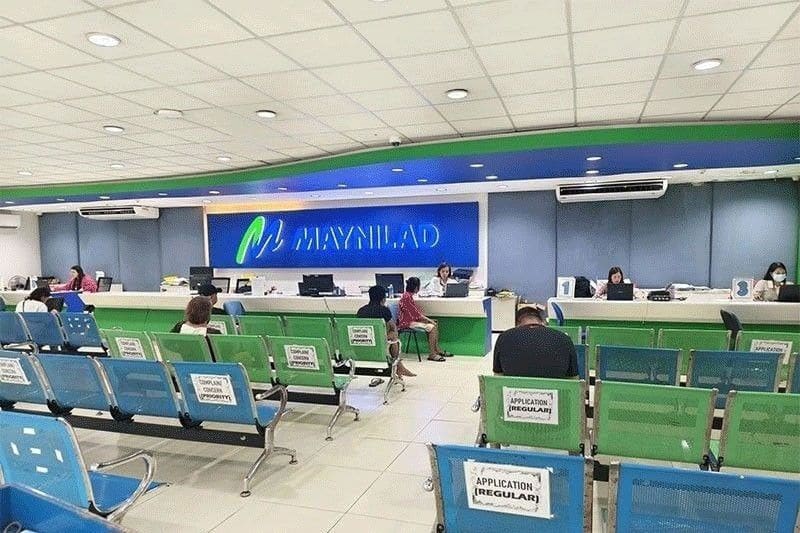
Manila's west zone water utility credits infrastructure investments and a breakthrough in non-revenue water reduction for its strongest first-half performance in years
KEY TAKEAWAYS
- ·Maynilad Water Services reported net income of ₱8.51 billion in the first half of 2026, a 14 percent increase from ₱7.47 billion a year earlier, supported by lower interest expenses and improved operational efficiency.
- ·The utility's non-revenue water rate fell to a record low of 29.7 percent from 35.25 percent, with each percentage point reduction saving more than ₱70 million and providing a supply buffer ahead of anticipated El Niño conditions.
- ·Capital expenditure reached ₱12.89 billion in the period, funding infrastructure upgrades and network reliability improvements across a concession area serving over nine million people in Metro Manila and Cavite.
Strong Earnings on Operational Gains
Maynilad Water Services recorded net income of ₱8.51 billion in the first six months of 2026, up from ₱7.47 billion in the same period a year earlier, according to the company. The 14 percent increase reflects lower interest expenses and reduced tax outlays, alongside operational improvements across its Manila west zone concession.
Consolidated revenues climbed 4.1 percent to ₱19.11 billion from ₱18.35 billion, supported by higher billed volumes and steady customer additions. Billed volumes rose 2.9 percent to 280.8 million cubic meters, while active connections expanded 1.6 percent to 1.59 million accounts.
President and CEO Ramoncito Fernandez attributed the performance to gains in water service coverage, wastewater expansion, and sustained capital deployment. The company's earnings before interest, taxes, depreciation, and amortization reached ₱13.7 billion, with EBITDA margins improving to 71.7 percent from 69.4 percent a year earlier.
Breaking the 30 Percent Water Loss Barrier
Maynilad's non-revenue water rate dropped to an all-time low of 29.7 percent in the first half, down from 35.25 percent in the prior-year period. The milestone marks the first time the utility has sustained losses below the 30 percent threshold, a long-standing industry benchmark in the Philippines.
COO Christopher Lichauco said each percentage point reduction in non-revenue water translates to more than ₱70 million in overhead savings. The company targets a 27 percent NRW level by year-end, positioning recovered volumes as a supply buffer ahead of anticipated El Niño conditions later in 2026.
Maynilad has stepped up efforts to reduce dependence on Angat Dam, the primary water source for Metro Manila, as part of its drought preparedness strategy. The utility is diversifying supply sources and improving distribution efficiency to minimize vulnerability to reservoir drawdowns during dry spells.
Wastewater and Infrastructure Push
Wastewater service coverage rose to 88 percent of Maynilad's concession area, with sewerage coverage reaching 26 percent and sanitation coverage climbing to 62 percent. The company deployed ₱12.89 billion in capital expenditure during the semester, funding upgrades to water and wastewater infrastructure, network reliability, production facilities, and customer service platforms.
The investment cycle reflects regulatory commitments under the company's concession agreement with Metropolitan Waterworks and Sewerage System, which oversees service standards and expansion timelines across Metro Manila's dual-concession model. Maynilad serves the western half of the capital region, covering parts of Manila, Quezon City, Caloocan, Pasay, Parañaque, Las Piñas, Muntinlupa, Valenzuela, Navotas, Malabon, and portions of Cavite province.
Outlook and Regional Context
The earnings gain positions Maynilad among the stronger performers in Southeast Asia's urban water sector, where aging infrastructure and high system losses remain persistent challenges. Manila's concession model, launched in 1997, has been studied as a template for private-sector participation in municipal water services, though recent political tensions over tariff adjustments have complicated the regulatory environment.
Maynilad's improved water loss metrics align with a broader regional push for efficiency as climate variability and urbanization strain existing supply systems. The company's ability to sustain capital spending while expanding margins will be tested as El Niño conditions develop in the second half, potentially tightening raw water availability from Angat and other sources.
The utility's focus on cost discipline and operational efficiency offers a near-term cushion, but longer-term profitability will hinge on tariff reviews, regulatory stability, and the pace of infrastructure renewal across a concession area serving more than nine million people.
RELATED STORIES

Philippines Central Bank Fielded 120,000 Customer Disputes in 2025
Priyanka V. Rao · 3 min
Philippine SSS Net Income Falls 28 Percent as Pension Hike Drives Up Costs
Priyanka V. Rao · 2 min

US and Japan Stage First Joint Yen Intervention in 28 Years
Cheng Wei-Lun · 3 min
Philippine Equities Face Headwinds as Second-Quarter Growth Hits 17-Year Low
Priyanka V. Rao · 3 min
Spot something wrong? Email editor@briefasia.com. We log every correction publicly.