Finance · Deals
Manila Water Reports 6% Net Income Gain on Tariff Adjustments
The Philippine utility logged P8.47 billion in first-half profit as rate increases across its concessions and regional operations lifted revenues by double digits.
KEY TAKEAWAYS
- ·Manila Water recorded P8.47 billion in net income for the first half of 2026, a 6% increase from P7.96 billion in the prior year, driven by an 11% rise in operating revenues to P22.19 billion.
- ·The Metropolitan Waterworks and Sewerage System approved an P8.39 per cubic meter tariff increase effective January 2026, which accounted for the majority of the earnings gain in the east zone concession.
- ·The company invested P6.8 billion in capital expenditures during the period, prioritizing wastewater expansion, network reliability, and water supply projects to sustain service quality and regulatory compliance.
Profit Climbs on Higher Water Tariffs
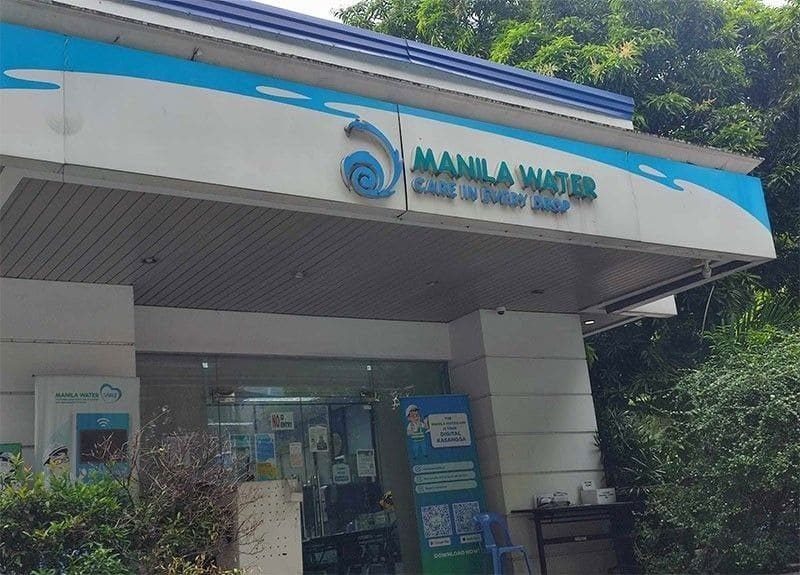
Manila Water Co. Inc. delivered a 6% increase in net income for the first half of the year, reaching P8.47 billion compared with P7.96 billion in the same period of 2025, according to a disclosure to the Philippine Stock Exchange. The utility, controlled by Enrique Razon, attributed the gain to tariff adjustments in its east Manila concession and contributions from regional business units.
Operating revenues climbed 11% to P22.19 billion from P20 billion year-on-year. Water sales accounted for roughly three-quarters of total revenues, while environmental and sewer charges made up 22% of the top line.
The company said the 11% rise in average tariffs in its main concession area was the primary driver of earnings growth. The Metropolitan Waterworks and Sewerage System regulatory office approved an P8.39 per cubic meter rate increase for Manila Water, effective January 1, 2026. Additional tariff hikes at Clark Water, Boracay Water, and other non-east-zone businesses, alongside higher supervision fees from Laguna Water, also contributed to the stronger performance.
Concession and Regional Breakdown
Revenue from the east zone concession rose 12% to P17.86 billion in the first half, while net income from that segment expanded 9% to P7.79 billion. Business units outside the concession area saw a 2% revenue increase to P4.86 billion, translating into a 15% jump in net income to P982 million.
Total billed volumes reached 439.4 million cubic meters during the period, with billed connections standing at 1.42 million. The company deployed P6.8 billion in capital expenditures, focusing on wastewater expansion, network reliability upgrades, and water supply projects.
Navigating Operational Headwinds
Manila Water president and CEO Robert Locsin said the results demonstrate the utility's ability to deliver in a challenging environment. Geopolitical uncertainties and the effects of El Niño posed operational risks during the first half, yet the company maintained service reliability while generating financial returns.
Locsin emphasized that the firm plans to sustain momentum by refining operations, optimizing resource allocation, and strengthening service delivery. The strategy aims to convert operational improvements into financial gains without compromising the quality of water service to customers across its footprint.
Regional Expansion and Infrastructure Investment
The company's regional portfolio continues to diversify revenue streams beyond its core Manila concession. Clark Water and Boracay Water, both serving high-growth tourism and industrial zones, benefited from tariff adjustments that reflect rising infrastructure and operating costs. Laguna Water, a separate entity under Manila Water's supervision, contributed higher fees as it expanded its customer base and upgraded aging networks.
Capital spending priorities for the remainder of the year remain weighted toward wastewater treatment capacity and distribution network resilience. Manila Water has earmarked projects to reduce non-revenue water and improve service uptime in areas prone to supply disruptions. The company views infrastructure investment as essential to meeting regulatory standards and sustaining long-term revenue growth.
Outlook and Strategic Priorities
Manila Water's performance in the first half positions it to meet full-year targets, provided tariff levels remain stable and weather patterns normalize. The utility sector in the Philippines faces ongoing regulatory scrutiny over rate adjustments, and any changes to the tariff formula could influence profitability in subsequent periods.
The company's ability to maintain a 6% net income growth rate while managing capital-intensive projects underscores the financial benefits of its diversified concession model. Regional units, though smaller in scale, delivered faster earnings growth than the east zone, suggesting room for further expansion outside Metro Manila.
Manila Water's focus on operational efficiency and infrastructure investment reflects broader trends in Southeast Asian utilities, where aging systems and climate variability demand sustained capital deployment. The company's first-half results offer a snapshot of how tariff policy, regional diversification, and disciplined capital allocation can combine to support steady earnings growth in a regulated industry.
RELATED STORIES

US and Japan Stage First Joint Yen Intervention in 28 Years
Cheng Wei-Lun · 3 min
Philippine Equities Face Headwinds as Second-Quarter Growth Hits 17-Year Low
Priyanka V. Rao · 3 min

Philippines Central Bank Fielded 120,000 Customer Disputes in 2025
Priyanka V. Rao · 3 min
Philippine SSS Net Income Falls 28 Percent as Pension Hike Drives Up Costs
Priyanka V. Rao · 2 min
Spot something wrong? Email editor@briefasia.com. We log every correction publicly.