Sustainability · Energy
Manila's Clean Power Ambitions Face $165 Billion Funding Shortfall
Archipelagic grid constraints and capital gaps threaten the Philippines' ability to supply 24/7 renewable electricity to data centers and industrial users
KEY TAKEAWAYS
- ·The Philippines faces a $165 billion renewable energy investment shortfall beyond 2028, threatening its ability to supply continuous clean electricity to data centers and industrial users.
- ·Data center capacity is projected to reach 500 megawatts by 2028 and potentially 1.5 gigawatts by 2033, creating constant electricity demand that current grids and generation mixes struggle to meet with renewables.
- ·Archipelagic geography fragments the grid across 7,641 islands, limiting the ability to move renewable power from generation sites to demand centers and contributing to 41,000 megawatt-hours of outages in 2020.
Capital Gap Threatens Renewable Rollout
The Philippines confronts a $165 billion financing shortfall for renewable energy projects beyond 2028, a constraint that could undermine efforts to deliver uninterrupted clean electricity to data centers and industrial facilities requiring constant power, according to the Global Renewables Alliance.
The Belgium-based nonprofit calculates that the archipelago nation must close this investment gap to meet twin pressures: surging electricity demand from cloud computing and artificial intelligence infrastructure, alongside government mandates to derive 35 percent of generation from renewables by 2030 and half by 2040.
Trigya Singh, who leads corporate sourcing at the Alliance, frames the challenge as one of coordination rather than impossibility. The scale is daunting, she notes, yet achievable if capital deployment, transmission buildout, and regulatory reform advance in tandem rather than isolation.
Data Center Boom Strains Grid Capacity
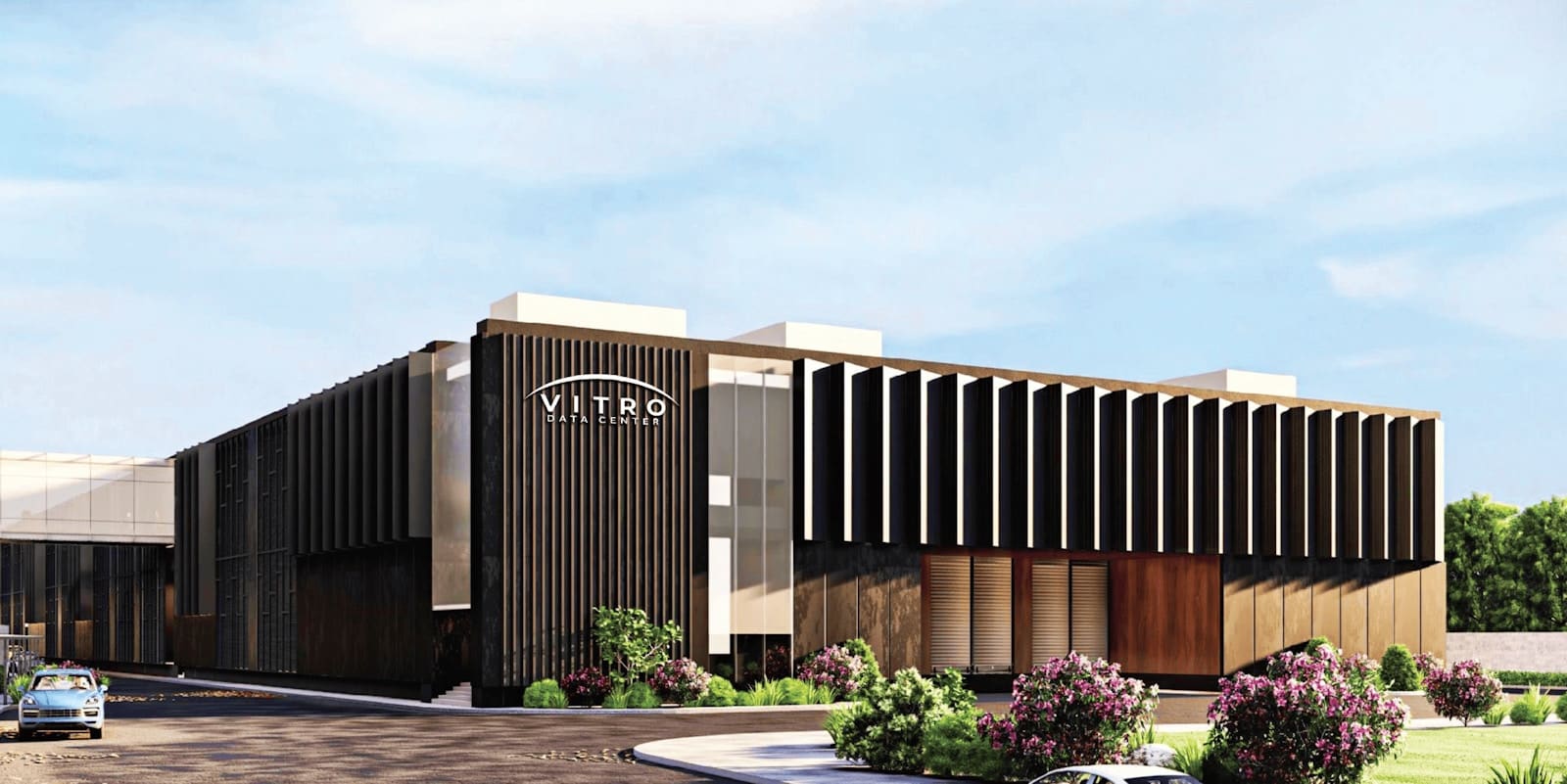
Manila's push to position itself as a regional digital hub has accelerated data center construction. The sector currently operates 73 megawatts across 24 facilities, with another 22 megawatts under construction and 89 megawatts in planning stages. Government projections show total capacity approaching 500 megawatts by 2028, potentially reaching 1.5 gigawatts by 2033 under the Philippine AI Infrastructure Masterplan.
This expansion collides with the operational reality of data centers: they demand electricity every hour of every day. Unlike factories that can adjust schedules or offices that close at night, cloud computing and AI workloads run continuously. That requirement makes them particularly sensitive to both grid reliability and the carbon intensity of their power supply.
Corporate climate commitments add another layer of complexity. Hyperscale operators increasingly seek not just renewable energy credits that offset annual consumption, but proof that every kilowatt-hour they draw comes from clean sources in real time. The Philippines' current generation mix, still heavily reliant on coal and natural gas, makes that matching difficult.
Island Geography Complicates Transmission
The country's 7,641 islands present structural obstacles that landlocked or contiguous nations do not face. While the three main grids serving Luzon, Visayas, and Mindanao maintain interconnections, hundreds of smaller islands and remote communities remain disconnected or tenuously linked.
This fragmentation means that renewable resources in one location cannot easily serve demand centers elsewhere. Solar farms on Mindanao cannot directly supply Manila's data centers. Wind projects in Ilocos Norte face transmission bottlenecks moving power south. The geography that makes the Philippines attractive for distributed renewable generation simultaneously hampers its integration.
Grid outages in 2020 resulted in 41,000 megawatt-hours of lost electricity, according to analysis from Ember cited by the Alliance. These disruptions stem from multiple causes: typhoons damaging transmission infrastructure, insufficient interconnection capacity, and aging distribution networks that predate current demand levels.
Singh emphasizes that reliability extends beyond simply keeping lights on. For industries requiring constant clean power, the grid must handle variable renewable output, balance supply and demand across islands, and provide backup capacity without defaulting to fossil generation.
Financing Models Under Development
The Green Grids Initiative's Climate Finance Principles, endorsed at COP30 by host Brazil along with the United Kingdom and Germany, aim to standardize how transmission and storage projects demonstrate climate alignment. These principles do not provide capital directly but offer a framework that could help the National Grid Corporation of the Philippines and local utilities attract concessional finance, blended instruments, and private investment.
The logic is straightforward: if a transmission line enables renewable integration, it merits climate finance on the same basis as a solar farm. Yet grid projects often struggle to access green funding because their climate benefits appear indirect or difficult to quantify. Standardized principles could resolve that ambiguity, making grid investments more bankable.
Still, frameworks alone will not close a $165 billion gap. The Philippines must also address regulatory barriers that slow project approvals, permitting delays that add cost and risk, and tariff structures that do not adequately compensate grid flexibility or storage services.
Market Signals and Hourly Matching
The Alliance advocates for hourly carbon-free electricity tracking as a mechanism to align corporate procurement with grid needs. Rather than purchasing annual renewable energy certificates that may represent power generated at times of low demand, companies would contract for clean electricity matched to their actual consumption patterns hour by hour.
This approach creates stronger price signals for the infrastructure required to deliver continuous clean power: battery storage to shift solar generation into evening hours, demand response systems that can modulate load, and transmission upgrades that move wind power from generation zones to consumption centers.
Singh points to global momentum behind 24/7 carbon-free electricity as both opportunity and pressure for the Philippines. Multinational firms scouting locations for new data centers increasingly prioritize markets that can credibly supply clean power around the clock. Countries that build that capability will attract investment; those that cannot may see projects locate elsewhere.
The Organization for Economic Co-operation and Development has warned that without adequate clean generation and storage, the Philippines' rising electricity demand from data centers and AI infrastructure could lock in decades of additional fossil fuel consumption, making national climate targets harder to achieve and exposing operators to reputational and regulatory risk.
Path Forward Requires Coordination
The renewable potential exists. The Philippines has abundant solar resources across its central and southern islands, strong wind corridors in the north, and geothermal capacity already proven at commercial scale. The constraint lies not in generation potential but in the systems required to transform intermittent clean energy into reliable, continuous supply that businesses can depend on.
Closing the investment gap will require the Philippines to make grid projects as attractive to capital as generation assets, streamline permitting to reduce development timelines, and establish market rules that reward flexibility and storage alongside raw capacity. The alternative is a future where clean energy ambitions and digital economy growth remain perpetually out of sync.
RELATED STORIES
Globe Telecom Sees First-Half Profit Fall 11% on Infrastructure Costs
Priyanka V. Rao · 3 min

Manila Eyes Nickel Processing to Escape China's Price Control
Priyanka V. Rao · 4 min
Philippines Moves to Raise Tax-Free Income Floor to ₱350,000
Priyanka V. Rao · 3 min

GCash Expands Financial Literacy Push to Cebu Micro-Retailers
Mariel D. Santos · 4 min
Spot something wrong? Email editor@briefasia.com. We log every correction publicly.