Finance · Markets
Malaysian Ringgit Gains Ground as Central Bank Projects Upper-Range Growth
Currency strengthens to 4.0880 per dollar amid positive economic outlook and anticipation of Fed policy hold
KEY TAKEAWAYS
- ·Malaysia's ringgit strengthened to 4.0880 per US dollar as Bank Negara Malaysia Governor Abdul Rasheed Ghaffour projected 2026 economic growth toward the upper end of the 4.0 to 5.0 percent range.
- ·US Treasury yields fell four basis points to 4.29 percent and 4.61 percent after consumer confidence missed estimates at 90.8 points, signaling the Federal Reserve may hold rates steady.
- ·Traders expect the ringgit to trade cautiously between 4.08 and 4.09 ahead of the Fed's policy decision later today, with the outcome likely to determine near-term direction for regional currencies.
Currency Strengthens on Dual Tailwinds
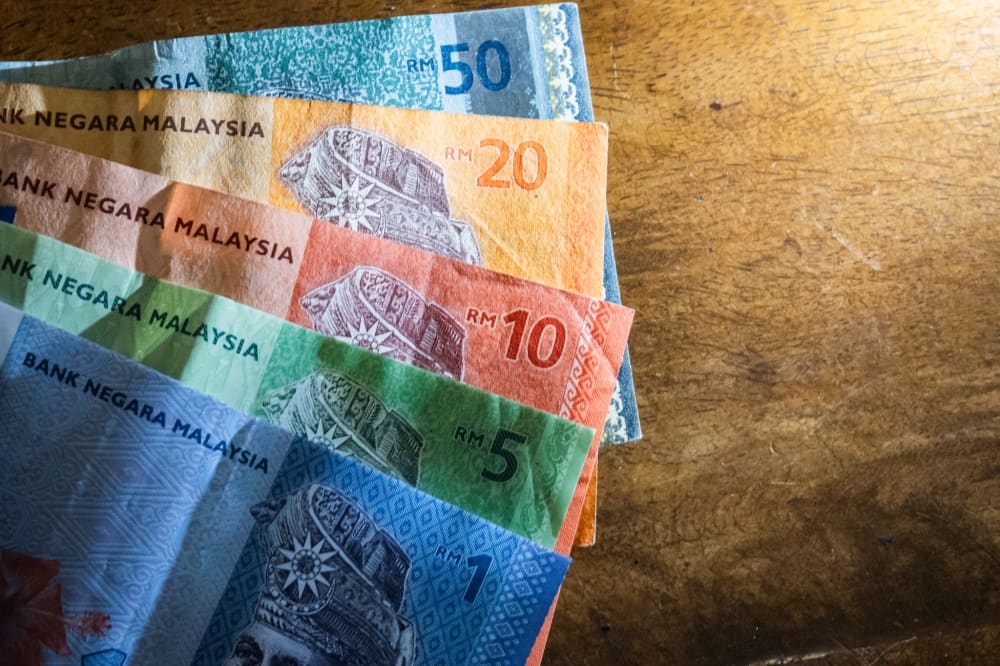
Malaysia's ringgit opened stronger against the US dollar on Wednesday morning, climbing to 4.0880 per dollar at 8am local time from the previous close of 4.0885. The modest gain reflects renewed confidence in the country's economic trajectory following upbeat comments from Bank Negara Malaysia Governor Abdul Rasheed Ghaffour and growing expectations that the US Federal Reserve will maintain its current policy stance.
The local currency's appreciation comes as investors digest Abdul Rasheed's assessment that Malaysia's economy remains firmly on course to achieve growth of 4.0 to 5.0 percent in 2026, likely toward the upper end of that range. The governor emphasized that inflation remains manageable despite recent energy supply disruptions, according to Bank Negara Malaysia.
Abdul Rasheed attributed the resilience to Malaysia's solid economic fundamentals, ongoing reform initiatives, and the government's commitment to prudent economic management, which together provide the flexibility to respond effectively when external shocks materialize.
Fed Decision Looms Over Trading
Market participants are treading carefully ahead of the US Federal Open Market Committee decision scheduled for later today, with the ringgit expected to hover between 4.08 and 4.09 against the dollar in the near term. The cautious positioning reflects uncertainty about the Fed's next move, even as recent data point toward a more dovish stance.
The US Conference Board Consumer Confidence Index fell to 90.8 points in July, missing consensus estimates of 92.4 points, according to Dr Mohd Afzanizam Abdul Rashid, chief economist at Bank Muamalat Malaysia. The weaker-than-expected reading triggered a four basis point decline in both two-year and ten-year US Treasury yields, which dropped to 4.29 percent and 4.61 percent respectively.
The shift in yields suggests bond markets are pricing in a higher probability that the Federal Reserve will keep rates unchanged in the immediate term, a scenario that typically supports emerging market currencies like the ringgit by reducing the carry advantage of dollar-denominated assets.
Mixed Performance Against Regional Peers
While the ringgit strengthened modestly against the dollar, its performance against other major and regional currencies was uneven. The local unit inched up slightly against the Japanese yen to 2.4945 from 2.4948, but weakened versus the euro to 4.6538 from 4.6429 and slipped against the British pound to 5.4305 from 5.4287.
Against Southeast Asian neighbors, the ringgit lost ground to both the Singapore dollar and Thai baht. It fell to 3.1625 per Singapore dollar from 3.1603 and depreciated to 12.1775 per 100 Thai baht from 12.1494. The currency held steady against the Indonesian rupiah at 226.0 and remained flat versus the Philippine peso at 6.63.
The divergent movements underscore the complex interplay of regional monetary policy expectations, trade flows, and risk sentiment across Asia's currency markets. While Malaysia's economic outlook provides domestic support, cross-border capital movements and relative interest rate differentials continue to drive day-to-day volatility.
Policy Confidence Anchors Sentiment
The central bank governor's confidence in Malaysia's growth trajectory comes despite headwinds from energy market disruptions that have challenged policymakers across the region. His emphasis on structural reforms and sound management signals that Kuala Lumpur sees its current policy mix as appropriate to navigate both domestic and external pressures.
For currency traders and investors focused on Southeast Asia, the ringgit's trajectory in the coming sessions will hinge largely on the Fed's tone tonight. A clear signal of prolonged policy stability in Washington could provide further tailwinds for regional currencies, while any hawkish surprise would likely reverse recent gains. Meanwhile, Malaysia's own economic data releases in the weeks ahead will test whether the upper-range growth forecast can be sustained through year-end.
RELATED STORIES
Malaysian Equities Climb in Morning Session as Regional Investors Weigh Oil Price Rally
Anand Sundaram · 3 min
Malaysian Ringgit Gains Ground as Markets Anticipate Fed and BOJ Rate Moves
Tran Quoc Bao · 2 min
Malaysian Ringgit Strengthens on Strong US Jobs Data
Tran Quoc Bao · 3 min

Malaysian Banks Face Tighter Lending as Deposit War Squeezes Margins
Jun-ho Seo · 4 min
Spot something wrong? Email editor@briefasia.com. We log every correction publicly.