Finance · Markets
Malaysian Ringgit Edges Higher as Trump Cancels Iran Strike
Currency strengthens to 4.0805 per dollar as geopolitical tensions ease and US manufacturing data looms
KEY TAKEAWAYS
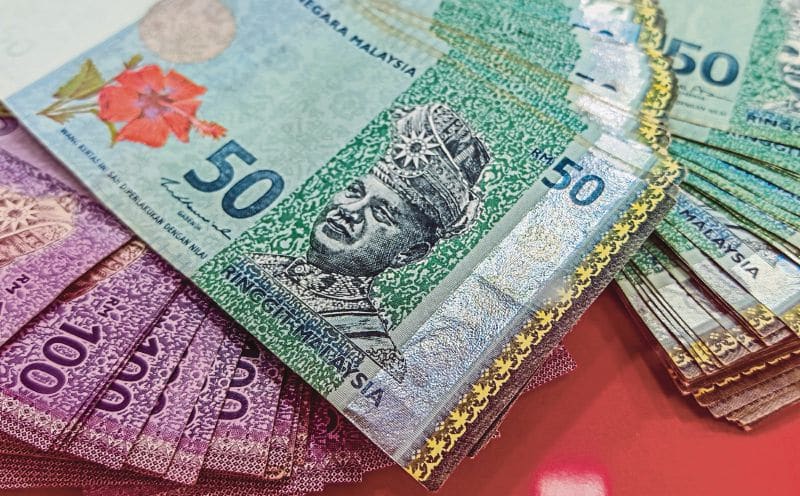
- ·The Malaysian ringgit opened at 4.0805 per US dollar Monday, strengthening from Friday's 4.0835 close after President Trump cancelled planned military strikes against Iran over the weekend.
- ·Analysts expect the ringgit to trade in a narrow 4.07 to 4.09 range as markets await tonight's US ISM Manufacturing PMI release, with consensus estimates at 54.0 versus June's 53.3 reading.
- ·The currency gained against the Indonesian rupiah and Thai baht but weakened versus the yen, euro, and pound as geopolitical risk premiums unwound and oil prices retreated from recent highs.
Currency Opens Stronger Amid Regional Relief
The Malaysian ringgit opened Monday trading at 4.0805 per US dollar, up from Friday's close of 4.0835, as markets absorbed news that President Donald Trump cancelled planned military strikes against Iran over the weekend. The move eased immediate geopolitical tensions that had driven Brent crude oil up 4.59 percent to $88.10 per barrel late last week.
Trump's decision came as both Washington and Tehran appeared closer to reaching an agreement on Iran's nuclear programme and the full reopening of the Strait of Hormuz, a critical shipping lane for global oil supplies. The development sent US interest-rate curves lower and pulled down inflation breakevens, weakening the dollar across Asian markets.
Bank Muamalat Malaysia chief economist Mohd Afzanizam Abdul Rashid noted that market participants remain cautious despite the positive opening. He expects the ringgit to trade within a narrow band of 4.07 to 4.09 ringgit per dollar through the session, constrained by lingering uncertainties over Middle East dynamics and awaited US economic indicators.
Manufacturing Data in Focus
Market attention now turns to tonight's release of the US Institute for Supply Management Manufacturing PMI for July. Consensus estimates point to a reading of 54.0, which would represent an expansion from June's 53.3 figure. A stronger-than-expected print could revive dollar strength and pressure emerging-market currencies, including the ringgit.
The PMI serves as a leading indicator of economic health in the manufacturing sector, with readings above 50 signaling expansion. Any significant deviation from consensus could trigger volatility in currency pairs as traders reassess Federal Reserve policy expectations and growth trajectories.
SPI Asset Management managing partner Stephen Innes highlighted that the combination of lower oil prices and reduced inflation expectations following Trump's decision should prove supportive for the ringgit and risk assets more broadly across Asia. The easing of immediate conflict risk removes a key premium that had been built into commodity and currency markets.
Mixed Performance Against Regional Peers
Against other major currencies, the ringgit weakened at the opening bell. It slipped to 2.5880 per Japanese yen from 2.5520 on Friday, fell to 4.7089 against the euro from 4.6981, and depreciated to 5.5038 versus the British pound from 5.4923.
Performance against regional currencies showed a more mixed picture. The ringgit gained ground against the Indonesian rupiah, moving to 226.4 from 226.6, and strengthened versus the Thai baht to 12.2211 from 12.2264. However, it softened slightly against the Singapore dollar to 3.1844 from 3.1823, while holding steady against the Philippine peso at 6.66.
The divergent moves reflect varying risk appetites and capital flows across Southeast Asian markets, where currencies often track commodity price movements and external funding conditions. Indonesia and Thailand, both commodity exporters, saw their currencies weaken relative to Malaysia's as oil prices retreated from recent highs.
Outlook Hinges on Data and Diplomacy
Near-term direction for the ringgit will depend heavily on two factors: the trajectory of US economic data and the durability of any diplomatic breakthrough between Washington and Tehran. A surprise cooling in US manufacturing activity could further undermine dollar strength, while any renewed escalation in the Middle East would likely reverse Monday's gains.
Malaysia's currency has proven sensitive to shifts in both global risk sentiment and oil price movements, given the country's status as a net energy exporter and its deep integration into regional supply chains. The ringgit's performance in recent months has tracked broader emerging-market trends, with periodic bouts of strength when US rate expectations moderate.
Traders will also watch for any commentary from Bank Negara Malaysia officials regarding currency movements, though the central bank has historically maintained that it does not target specific exchange rate levels. The focus remains on ensuring orderly market conditions rather than defending particular thresholds.
With geopolitical tensions temporarily subsiding and attention shifting back to economic fundamentals, the ringgit's trajectory through the week will likely hinge on whether incoming US data supports or challenges current market pricing for Federal Reserve policy. For now, the currency enjoys a modest reprieve as conflict premiums unwind.
RELATED STORIES
Malaysian Ringgit Gains Ground as Markets Anticipate Fed and BOJ Rate Moves
Tran Quoc Bao · 2 min
Malaysian Ringgit Strengthens on Strong US Jobs Data
Tran Quoc Bao · 3 min
Ringgit Strengthens as Malaysia's Stable Rates Signal Policy Flexibility
Mariel D. Santos · 3 min
Ringgit Set to Hold Gains as Malaysia Central Bank Meeting Nears
Priyanka V. Rao · 3 min
Spot something wrong? Email editor@briefasia.com. We log every correction publicly.