Sustainability · Mobility
Malaysia Tightens EV Import Rules to Drive Local Manufacturing
New regulations require minimum RM200,000 value threshold as government pivots from consumer incentives to factory investment
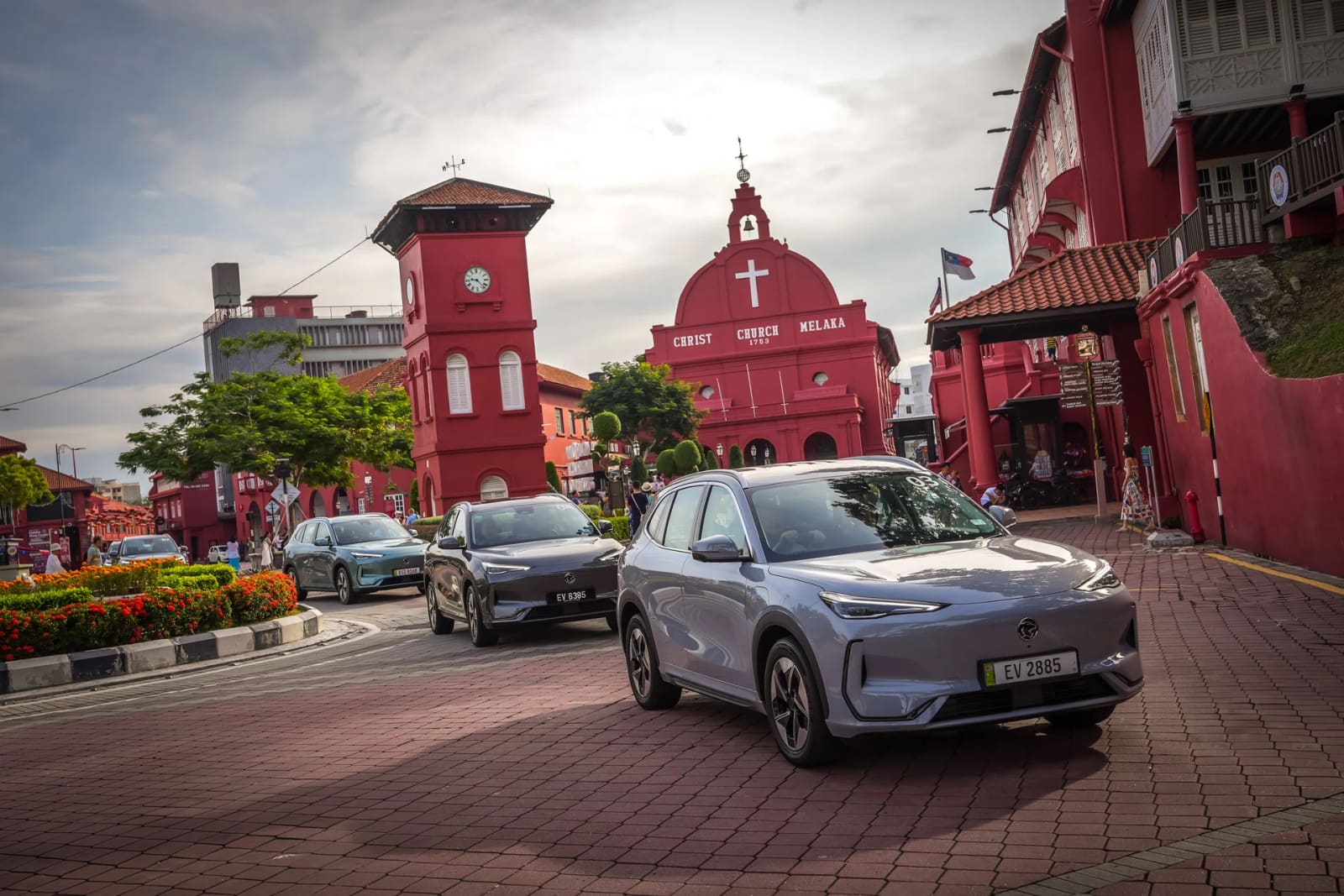
KEY TAKEAWAYS
- ·Malaysia imposed a minimum RM200,000 import value and 180 kilowatt motor requirement for new EV imports starting July 1, after EV sales jumped 85.1 percent to 31,738 units in the first half of 2026.
- ·The policy shift aims to compel automakers to establish local factories and supply chains rather than rely on fully imported vehicles, following expiry of four-year tax incentives.
- ·Affordability concerns emerge as the new thresholds may reduce model availability in the RM100,000 to RM200,000 price segment that drove Malaysia to 7.8 percent EV market share.
A Strategic Shift After Rapid Growth
Malaysia's electric vehicle policy is entering a new phase. After years of using tax incentives to stimulate consumer demand, Kuala Lumpur is now deploying trade barriers designed to compel automakers to establish manufacturing operations inside the country rather than simply exporting finished cars into the market.
The timing reflects success in the first chapter of the strategy. Electric vehicle sales in Malaysia climbed 85.1 percent year on year during the first six months of 2026, reaching 31,738 units, according to Malaysia's Road Transport Department. That figure represents 7.8 percent of total vehicle sales, a threshold that signals the market has moved beyond early adopters.
The government's four-year tax incentive program, which expired at the end of June, succeeded in building awareness and purchase intent. Now policymakers are betting they have enough leverage to extract commitments from global manufacturers who want continued access to Malaysia's expanding EV buyer base.
New Import Thresholds Take Effect
Starting July 1, any newly approved fully imported electric vehicles must meet two criteria: a minimum cost, insurance, and freight value of RM200,000 (approximately USD 48,863) and a minimum motor output of 180 kilowatts. The rules apply to completely built-up units brought into Malaysia from overseas assembly lines.
The thresholds effectively price out lower-cost models that have been popular among first-time EV buyers. Vehicles below the RM200,000 mark or with smaller powertrains can no longer enter the market as new imports unless they were approved before the cutoff date.
The policy creates a clear fork in the road for manufacturers. Brands that want to compete in the affordable and mid-range segments, where volume and margin compression are realities, will need to consider local assembly or component sourcing. Premium brands already positioned above the RM200,000 line can continue importing, though they face a narrower addressable market.
The Factory Investment Calculus
Malaysia's approach mirrors strategies deployed elsewhere in Southeast Asia, where governments use market access as currency to negotiate manufacturing commitments. Thailand, Indonesia, and Vietnam have all experimented with localization requirements, tax structures, and domestic content rules to attract battery and assembly plants.
For automakers, the calculation involves scale. Malaysia's population of 34 million and rising EV penetration make it a plausible hub for regional production, particularly if trade agreements allow assembled vehicles to be exported to neighboring markets. However, the country is competing against Thailand's established automotive ecosystem and Indonesia's larger domestic market and nickel reserves.
The Proton eMAS series, a domestic brand, held the position as the bestselling electric vehicle nameplate in Malaysia during the first half of 2026. That performance suggests local manufacturers can compete effectively when supported by policy, though it also raises questions about whether consumer choice will narrow as import options become constrained.
Balancing Growth and Affordability
The policy shift introduces tension between two goals: driving industrial investment and maintaining affordability for consumers. Higher import thresholds could slow the pace of EV adoption if buyers in the RM100,000 to RM200,000 price band find fewer options available. That segment has been critical to achieving the 7.8 percent market share milestone.
Local assembly does not guarantee lower prices. Building factories, training workers, and establishing component supply chains require years and significant capital. Until those investments mature, the transition period may see reduced model availability and upward price pressure.
Malaysia's success in attracting EV manufacturing will depend on how quickly automakers commit and how effectively the government manages the gap between the end of consumer incentives and the arrival of locally assembled affordable models. The next 18 to 24 months will reveal whether the pivot from demand-side stimulus to supply-side requirements accelerates or stalls the country's electric vehicle transition.
Regional rivals are watching. If Malaysia's strategy pulls in significant factory investment without collapsing sales growth, other Southeast Asian governments may adopt similar playbooks. If affordability concerns dampen momentum, the episode will serve as a cautionary tale about moving too quickly from incentives to mandates.
RELATED STORIES
Proton e.MAS Reaches 30,000 Units in 20 Months as Malaysia Accelerates EV Adoption
Priyanka V. Rao · 3 min
BMW Malaysia Pushes Back on EV Charging Levy Proposal
Priyanka V. Rao · 3 min

Indonesia Car Sales Jump 34% as Electric Vehicles Reshape Southeast Asia's Auto Market
Siti Nuraini · 3 min

ASEAN Targets Fourth-Largest Economy Spot as Internal Trade Lags Behind
Priyanka V. Rao · 3 min
Spot something wrong? Email editor@briefasia.com. We log every correction publicly.