Sustainability · Mobility
Proton e.MAS Reaches 30,000 Units in 20 Months as Malaysia Accelerates EV Adoption
The Malaysian EV brand crossed the milestone faster than any other automaker in the country, driven by surging domestic demand and a rapidly expanding charging network.
KEY TAKEAWAYS
- ·Proton e.MAS registered 31,504 electrified vehicles in 20 months, including 30,293 units in Malaysia and 1,211 exports, the fastest pace for any brand in the country.
- ·The company invested RM37 million to double its EV assembly plant capacity from 20,000 to 42,000 units annually, with all three models now locally assembled.
- ·Malaysia's charging network has grown to over 4,700 points covering 90 percent of the country, reducing range anxiety as policy incentives drive adoption through 2027.
Record Growth in a Maturing Market
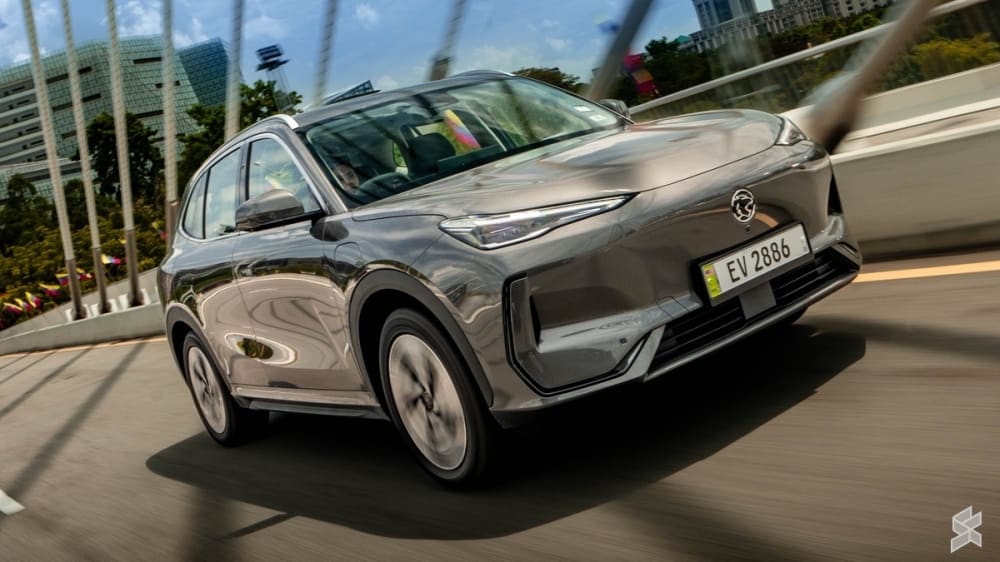
Proton e.MAS has registered 31,504 electrified vehicles since launching its first model 20 months ago, making it the fastest automotive brand in Malaysia to cross the 30,000-unit threshold, according to the company. The figure includes 30,293 domestic registrations through the end of July and 1,211 export units.
The pace represents a sharp acceleration for Malaysia's EV sector. Proton e.MAS logged more than 20,000 registrations in the first seven months of 2026 alone, already exceeding its full-year 2025 total by mid-year. The trajectory underscores a structural shift in consumer preferences as charging infrastructure proliferates and government incentives make electrified powertrains financially competitive with internal combustion.
CEO Zhang Qiang framed the milestone as evidence that electric vehicles have moved from niche to mainstream consideration among Malaysian buyers. The brand now operates 58 dealerships, 45 service centers, and 10 body-and-paint facilities across the country. Its integrated charging map catalogs over 4,700 charging points, covering more than 90 percent of Malaysia's geography, a network density that reduces range anxiety and supports longer intercity travel.
Capacity Expansion to Meet Demand
To keep pace with orders, Proton e.MAS invested an additional RM37 million (approximately USD 8.2 million) to double the annual production capacity of its dedicated EV assembly plant from 20,000 to 42,000 units. The expansion positions the company to serve both rising domestic volumes and export commitments across Southeast Asia.
All three models in the Proton e.MAS lineup are now assembled in Malaysia. The Proton e.MAS 7 plug-in hybrid currently incorporates 30 percent locally sourced content, a figure the company is expected to increase as it deepens supplier partnerships and qualifies additional domestic components. Higher localization rates improve margin resilience against currency swings and align with national industrial policy objectives to build a regional EV supply chain anchored in Malaysia.
Policy Tailwinds and Regional Context
Malaysia's EV momentum is partly policy-driven. The government has extended full import-duty and excise-tax exemptions for battery-electric and plug-in hybrid vehicles through the end of 2025, with partial exemptions running into 2027. Road-tax structures also favor EVs, and several states offer additional purchase rebates or free charging during off-peak hours.
Broader Southeast Asian markets are watching closely. Thailand has positioned itself as a regional EV manufacturing hub through aggressive fiscal incentives and has attracted multibillion-dollar commitments from Chinese and legacy automakers. Indonesia is leveraging its nickel reserves to draw battery-cell investment. Malaysia's approach has focused less on mining and cell production and more on final assembly, charging infrastructure, and creating consumer pull through tax policy.
Proton e.MAS benefits from its parent company's technology and scale. The brand draws on platforms, battery-management systems, and supplier networks developed in China, then adapts vehicles for right-hand-drive markets and tropical operating conditions. That combination of proven technology and local assembly has allowed it to price competitively against imports while offering faster service turnaround and parts availability.
What Comes Next
The 42,000-unit annual capacity target implies Proton e.MAS expects sustained double-digit growth over the next 18 months. Export volumes remain a small fraction of total output but provide a hedge against domestic demand volatility and help amortize fixed costs across a larger production base.
Charging infrastructure will remain a gating factor. While 4,700 points sound substantial, utilization rates, uptime reliability, and payment interoperability still vary widely. The industry will need continued investment in fast-charging corridors and urban overnight charging to support the next wave of adoption, particularly among apartment dwellers and commercial fleets.
Competitor response is already visible. Legacy brands are accelerating their own electrified-model launches in Malaysia, and several Chinese EV makers have announced distributor agreements or local-assembly plans for 2026 and 2027. Proton e.MAS entered early and built network density, but the window of first-mover advantage is narrowing as the market matures and competition intensifies.
RELATED STORIES
Malaysia Tightens EV Import Rules to Drive Local Manufacturing
Priyanka V. Rao · 3 min
BMW Malaysia Pushes Back on EV Charging Levy Proposal
Priyanka V. Rao · 3 min

Indonesia Car Sales Jump 34% as Electric Vehicles Reshape Southeast Asia's Auto Market
Siti Nuraini · 3 min

Singapore Approves 900MW Solar Import From Malaysia as Regional Grid Takes Shape
Priyanka V. Rao · 3 min
Spot something wrong? Email editor@briefasia.com. We log every correction publicly.