Asia · Business
Malaysia Targets High-End Growth Despite Energy Supply Disruption
Central bank governor signals confidence in 4-5% GDP expansion for 2026, citing strong fundamentals and currency resilience

KEY TAKEAWAYS
- ·Malaysia expects GDP growth near the top of its 4-5% range in 2026, supported by 5.2% expansion in 2025 and the ringgit's 8% appreciation against the dollar.
- ·Energy supply disruptions have raised wholesale power costs, but fuel subsidies and hedging have limited consumer price impact, keeping inflation below 2.5%.
- ·The outlook depends on LNG market stability and China demand; further energy shocks or a Chinese slowdown could narrow margins for exporters and manufacturers.
Resilience Amid Regional Headwinds
Malaysia's central bank expects the economy to deliver growth near the top of its 4-5 percent forecast range this year, even as the country navigates energy supply constraints that have rattled Southeast Asian markets in recent months.
Bank Negara Malaysia governor Abdul Rasheed Ghaffour said the projection reflects the momentum carried over from 2025, when GDP expanded 5.2 percent. That performance, paired with subdued inflation and a ringgit that outpaced every other currency in the region, has given Kuala Lumpur room to absorb external shocks without revising its outlook downward.
The energy supply disruption Rasheed referenced stems from a confluence of factors affecting liquefied natural gas (LNG) flows and regional power grid stability. Several ASEAN economies have faced intermittent shortages since early 2026, driven by maintenance delays at key export terminals in Australia and tighter spot market conditions. Malaysia, which relies on natural gas for roughly 40 percent of its electricity generation, has seen wholesale power costs edge higher, though the impact on consumer prices has been muted by fuel subsidies and hedging strategies employed by state utility Tenaga Nasional.
Currency Strength as a Buffer
The ringgit's appreciation last year - climbing more than 8 percent against the US dollar - has provided a cushion against imported inflation, particularly for energy and intermediate goods. That gain was driven by a combination of higher commodity export receipts, especially palm oil and refined petroleum products, and portfolio inflows into Malaysian equities and government bonds as investors sought alternatives to China exposure amid persistent trade tensions.
Currency strength also eased the burden on corporate borrowers with dollar-denominated debt, a legacy issue for some Malaysian conglomerates that expanded regionally in the previous decade. The central bank has signaled it does not intend to intervene to weaken the ringgit, viewing the appreciation as a reflection of improving fundamentals rather than speculative excess.
Inflation Contained, Policy Room Preserved
Inflation remained below 2.5 percent for most of 2025, according to data from the Department of Statistics Malaysia. Core inflation, which strips out volatile food and fuel prices, held even lower, giving Bank Negara latitude to keep its overnight policy rate steady at 3.0 percent since mid-2025. That rate has been unchanged for nearly a year, a stance the central bank describes as "accommodative but vigilant."
The combination of stable prices and steady growth has allowed fiscal authorities to proceed with subsidy rationalization without triggering a sharp cost-of-living backlash. Diesel subsidy cuts implemented in phases since late 2025 have nudged transport costs higher, but the broader inflationary effect has been absorbed by productivity gains in logistics and a shift toward rail freight for palm oil and manufactured exports.
Investment Pipeline and Export Diversification
Malaysia's growth trajectory hinges on sustained capital inflows into semiconductor packaging, data centers, and electric vehicle (EV) component manufacturing. The government approved more than RM 80 billion in new investment commitments in 2025, with notable projects including expansions by Infineon and a new advanced packaging facility by a Taiwanese foundry partner in Penang.
The export base is gradually diversifying beyond electronics and commodities. Aerospace component manufacturing, particularly for narrow-body aircraft interiors and maintenance-repair-overhaul (MRO) services, has grown as airlines in the Middle East and Southeast Asia rebuild capacity post-pandemic. Medical device exports, led by glove makers pivoting into higher-margin nitrile and surgical products, have also contributed to the current account surplus.
Watching the External Backdrop
The central bank's confidence assumes no further deterioration in global trade conditions or a sharp slowdown in China, Malaysia's largest trading partner. Beijing's property sector remains a source of uncertainty, and any significant contraction in Chinese demand for commodities or intermediate goods would weigh on Malaysian exporters.
Energy supply stability will also be critical. If LNG spot prices spike again or if regional power grid issues persist into the second half of 2026, the cost pass-through to industry could narrow profit margins and dampen capex sentiment, particularly among energy-intensive manufacturers in chemicals and steel.
For now, Bank Negara's message is one of cautious optimism: the domestic economy has enough momentum and policy flexibility to weather near-term shocks, and the structural shift toward higher-value manufacturing is proceeding on schedule. Whether that optimism holds will depend on how quickly regional energy markets stabilize and whether Malaysia's currency strength proves durable or begins to erode export competitiveness.
RELATED STORIES
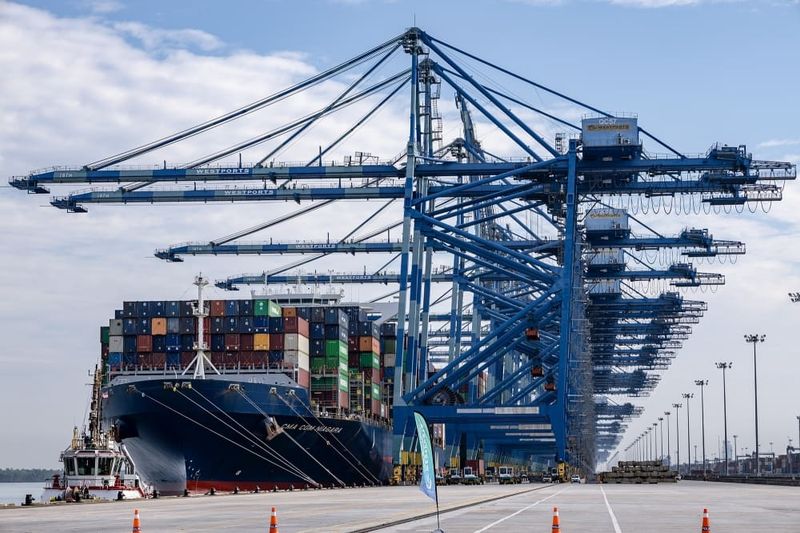
Malaysia's July Trade Surge Points to Strengthening Regional Demand
Priyanka V. Rao · 3 min
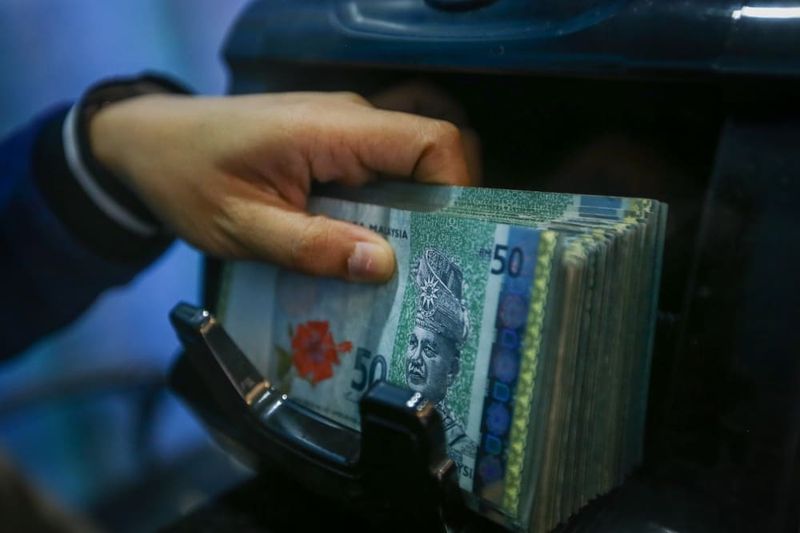
Ringgit Strengthens as Malaysia's Stable Rates Signal Policy Flexibility
Mariel D. Santos · 3 min
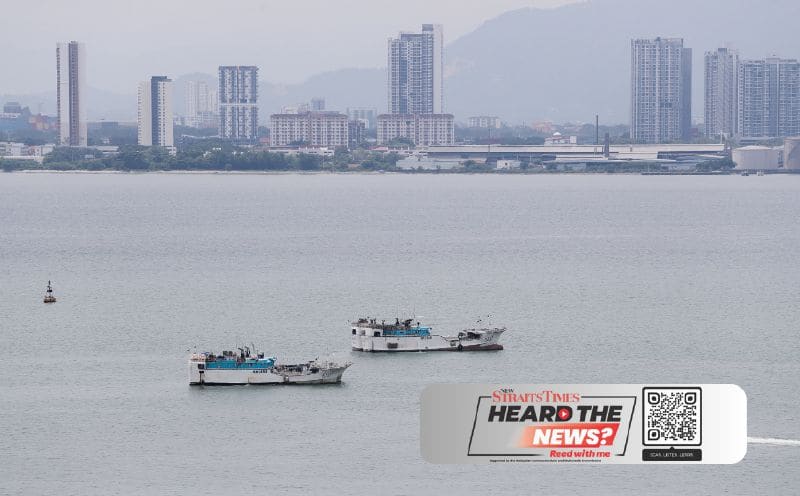
Penang Captures 34% of Malaysia's Manufacturing Investment in First Half
Anand Sundaram · 2 min
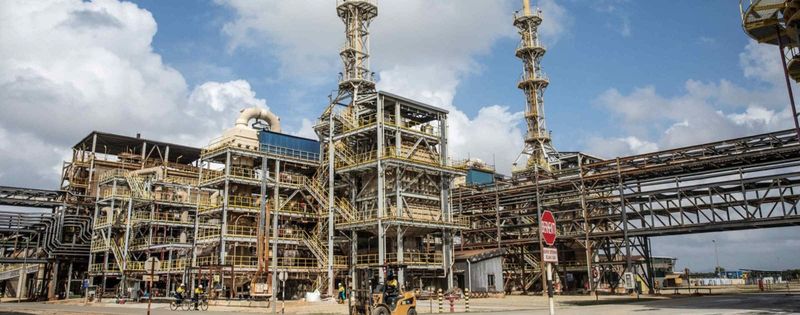
Malaysia's Rare Earth Deposits Draw Foreign Interest Ahead of China Export Controls
Priyanka V. Rao · 3 min
Spot something wrong? Email editor@briefasia.com. We log every correction publicly.