Asia · Politics
Malaysia Probes Former Tabung Haji Officials After $10 Billion Asset Deficit Revealed
A declassified inquiry exposes years of governance failures at the state-run pilgrimage fund, triggering arrests and renewed scrutiny of political appointments across public institutions
KEY TAKEAWAYS
- ·Malaysian authorities arrested five former Tabung Haji executives after a declassified inquiry revealed the pilgrimage fund paid dividends while operating with a 4.1 billion ringgit asset deficit through 2017.
- ·The government absorbed 10.2 billion ringgit in losses through a 2018 bailout that transferred underperforming assets to a special-purpose vehicle, protecting 9.7 million depositors from potential fund collapse.
- ·Analysts warn that 75 percent implementation of recommended reforms is insufficient, calling for legislative amendments to bar politicians from the board and strengthen appointment criteria before institutional safeguards are credible.
The Reckoning Arrives
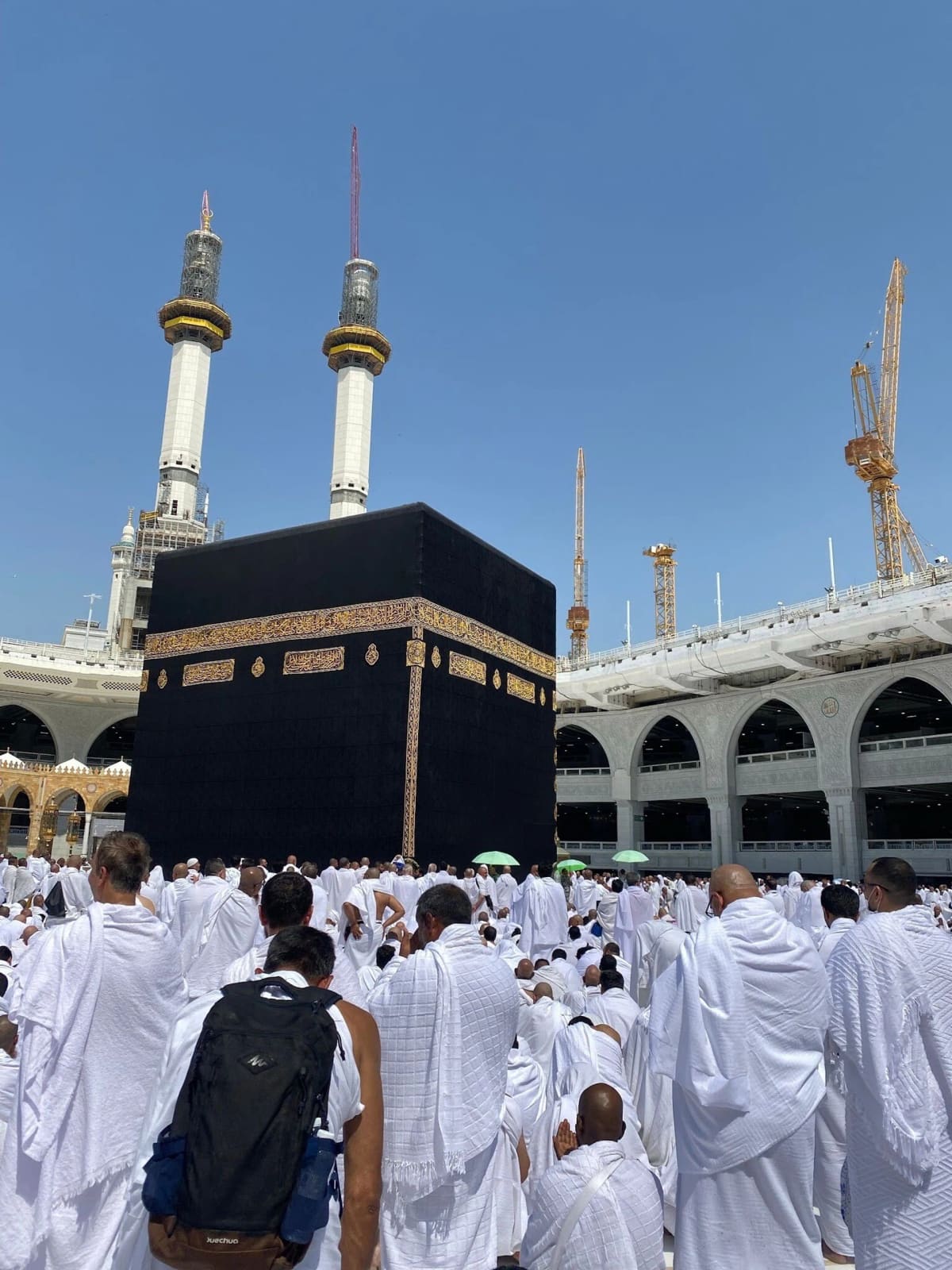
Malaysian authorities have arrested five former executives linked to Tabung Haji, the state-run pilgrimage fund, following the July release of a Royal Commission inquiry that exposed how the institution paid out billions in dividends while technically insolvent.
The 211-page report, declassified on July 29 after years under wraps, documents governance failures between 2014 and 2020 that left Lembaga Tabung Haji operating with liabilities exceeding assets by 4.1 billion ringgit ($1 billion) by the end of 2017. The fund holds savings for 9.7 million depositors and manages nearly 100 billion ringgit in assets, making it one of Malaysia's largest financial institutions serving Muslim savers.
Parliament debated the findings on August 11, with Finance Minister II Amir Hamzah Azizan disclosing that 14 flagged investments had generated total losses approaching 13 billion ringgit. Of that sum, the government absorbed 10.2 billion ringgit through a 2018 rescue package, while Tabung Haji wrote down another 2.6 billion ringgit through 2025.
The Malaysian Anti-Corruption Commission has remanded five individuals, including former managers and executives from Tabung Haji subsidiaries, as investigations proceed into investment decisions the inquiry deemed irregular.
Paying Dividends Without Profits
The inquiry determined that distributions between 2014 and 2017 violated statutory safeguards under the Tabung Haji Act, which permits payouts only when the fund holds distributable profits and assets exceed liabilities. Internal reviews found the institution had operated with negative net assets since 2014.
By December 2017, Tabung Haji reported assets of 70.3 billion ringgit against liabilities of 74.4 billion ringgit. The commission concluded that proper application of accounting standards would have resulted in a 1.4 billion ringgit net loss for 2017, not the 3.4 billion ringgit profit the fund reported at the time.
Central bank warnings went largely ignored. Bank Negara Malaysia issued five letters between 2014 and 2017 flagging deteriorating reserves and liquidity, but management failed to adjust course. A 2018 internal assessment warned of deposit flight risk, noting that 1.3 percent of account holders controlled half of all savings. Roughly 6 billion ringgit was withdrawn in a short window as concerns mounted.
The government faced potential exposure of 74.5 billion ringgit in liabilities because deposits carried state guarantees. That risk triggered the December 2018 bailout, which transferred underperforming assets to Urusharta Jamaah, a special-purpose vehicle owned by the Ministry of Finance.
The Bailout Math
Urusharta Jamaah issued 19.6 billion ringgit in sukuk and paid 300 million ringgit in cash to acquire assets with a market value of 9.7 billion ringgit, creating a gap of 10.2 billion ringgit that effectively transferred losses to taxpayers. The commission described the mechanism as the least disruptive option available but noted it did not address underlying weaknesses in risk management, governance or cost discipline.
Seven of the 14 scrutinized investments resulted in substantial losses. The inquiry flagged Malaysian property deals, Saudi hotel leases it termed "unusual and highly abnormal," Indonesian plantations and shares in agribusiness company FGV. Issues ranged from unmet investment conditions and unpaid proceeds to alleged overpayment and inadequate safeguards.
Tabung Haji's balance sheet has since stabilized. Total assets of 98.58 billion ringgit now exceed liabilities of 95.63 billion ringgit, and the fund declared a 3.5 percent profit distribution for 2025, the highest in eight years. Distributions have been based on audited financial statements since 2022.
Reforms Incomplete
Tabung Haji reports that 75 percent of the inquiry's 25 recommendations have been implemented, but analysts argue critical institutional reforms remain outstanding. The commission recommended amendments to the Tabung Haji Act to separate haj operations from financial management, impose stricter expertise requirements for board appointments and bar active politicians from serving on the board or subsidiary boards.
Dara Waheda Mohd Rufin, senior manager of research at the Institute for Democracy and Economic Affairs, called on the government to specify which recommendations remain pending and provide a timeline for completion. She emphasized that reform must extend beyond financial repair to institutional safeguards governing appointments, decision scrutiny and accountability.
Transparency International Malaysia president Raymon Ram acknowledged material progress since 2018 but cautioned against conflating financial recovery with completed governance reform. He noted that board positions in institutions managing public funds should be treated as fiduciary responsibilities, not political rewards.
Broader Implications
The scandal carries implications beyond Tabung Haji. Universiti Sains Malaysia associate professor Azmil Tayeb warned that the revelations risk eroding confidence among Muslims who have saved for decades to perform the haj pilgrimage. About four million of the fund's depositors are registered for the pilgrimage.
The Anwar Ibrahim administration, which took office four years ago, delayed releasing the report to allow Tabung Haji to strengthen its finances without triggering depositor panic. That decision has itself become contentious, with critics arguing transparency should not be subordinated to political convenience.
The immediate test is whether investigations produce prosecutions and whether Parliament enacts the legislative changes the commission recommended. The inquiry called for forensic audits of the 14 investment decisions, and authorities have begun that process with the recent arrests.
Ram argued that publication and parliamentary debate should mark the beginning of accountability, not its conclusion. The lasting measure of reform, he said, will be whether Malaysia builds governance systems strong enough to prevent recurrence, not merely whether Tabung Haji has recovered from past failures.
RELATED STORIES
Hong Kong Opens Kuala Lumpur Office in Asia Network Push
Cheng Wei-Lun · 4 min
ASEAN Targets Fourth-Largest Economy Spot as Internal Trade Lags Behind
Priyanka V. Rao · 3 min
Penang Turns to Medical Devices as Chip Boom Matures
Priyanka V. Rao · 4 min

Indonesia Car Sales Jump 34% as Electric Vehicles Reshape Southeast Asia's Auto Market
Siti Nuraini · 3 min
Spot something wrong? Email editor@briefasia.com. We log every correction publicly.