Asia · Trade
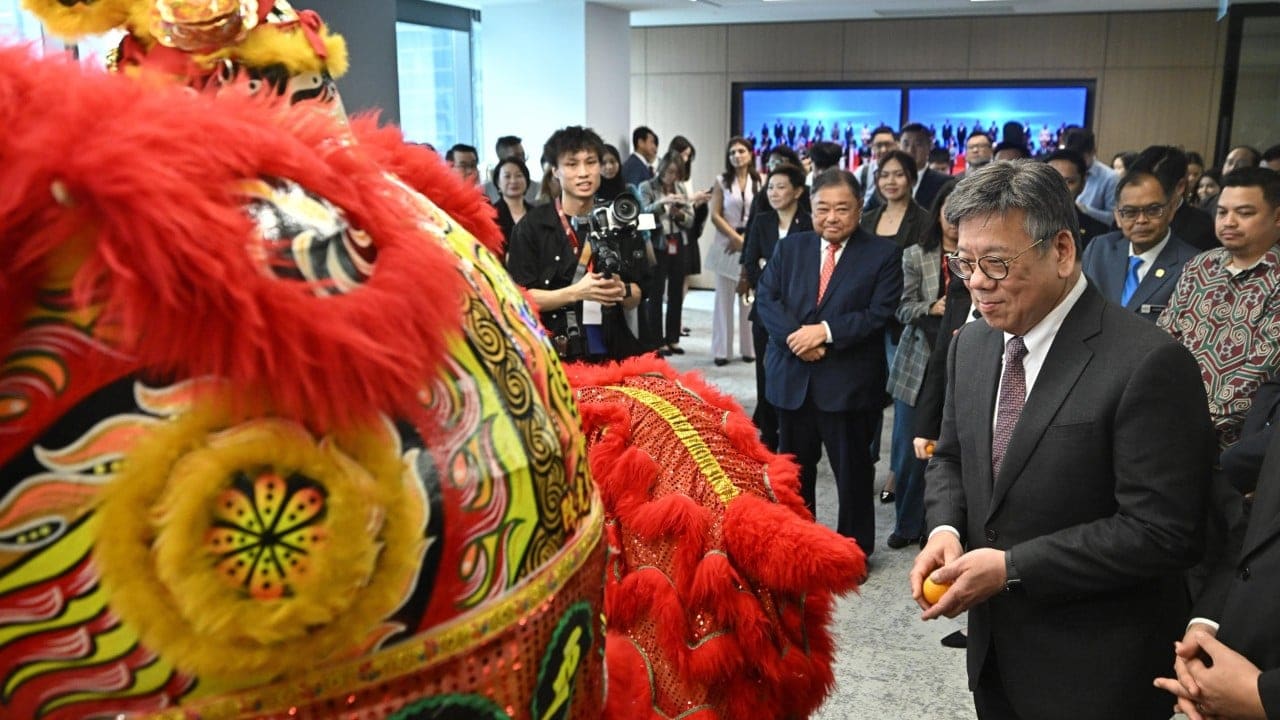
Hong Kong Opens Kuala Lumpur Office in Asia Network Push
The city now operates 15 overseas Economic and Trade Offices outside mainland China, with Malaysia marking its latest regional expansion.
KEY TAKEAWAYS
- ·Hong Kong opened its 15th overseas Economic and Trade Office in Kuala Lumpur, adding to a network that now spans Asia, Europe, North America, and the Middle East.
- ·Malaysia's USD 400 billion economy and role in electronics and data center supply chains make it a strategic target for Hong Kong's trade and investment facilitation.
- ·The office will focus on financial services, legal support, and capital flows as Hong Kong seeks to anchor itself within Southeast Asia's growth corridor.
Regional Footprint Expands
Hong Kong has opened an Economic and Trade Office in Kuala Lumpur, bringing its total number of overseas ETOs outside mainland China to 15. The city also maintains five offices on the mainland. The Malaysian capital represents the latest node in a network designed to deepen commercial relationships across Southeast Asia and position Hong Kong as a connector between regional markets and Chinese capital.
The Kuala Lumpur office joins existing ETOs in Singapore, Jakarta, Bangkok, and other Asian capitals. Each office functions as a combination of trade promotion bureau, policy liaison point, and investor services hub. For Hong Kong, the expansion reflects a deliberate effort to extend its reach beyond traditional Western markets and anchor itself more firmly within the Asia-Pacific economic corridor.
Why Malaysia Matters
Malaysia is Southeast Asia's fourth-largest economy, with GDP exceeding USD 400 billion. The country sits at the intersection of key supply chains in electronics, palm oil, petrochemicals, and increasingly, data center infrastructure. Bilateral trade between Hong Kong and Malaysia has grown steadily, with Hong Kong serving as a re-export hub for goods moving between Malaysia and mainland China.
For Hong Kong officials, the Kuala Lumpur ETO is a platform to facilitate investment flows in both directions. Malaysian pension funds and sovereign wealth vehicles have historically allocated capital to Hong Kong equities and real estate. Conversely, Hong Kong-based private equity and venture funds have been active in Malaysian tech startups and infrastructure projects.
The office will also support Hong Kong companies seeking to establish regional headquarters or manufacturing operations in Malaysia, particularly as firms diversify supply chains beyond China. Malaysia's participation in the Regional Comprehensive Economic Partnership and its bilateral trade agreements make it a practical base for companies targeting ASEAN markets.
Strategic Timing
The timing of the Kuala Lumpur office opening aligns with broader shifts in regional trade architecture. As Southeast Asian economies deepen integration, Hong Kong is positioning itself as a financial and legal services provider that can bridge differences in regulatory regimes, currency markets, and contract law.
Hong Kong's legal system, based on common law, offers familiarity for international investors. Its capital markets infrastructure, including stock and bond exchanges, clearing systems, and offshore renminbi liquidity, provides tools that many regional financial centers still lack at scale. The ETO network is designed to make those tools more accessible to businesses and governments across Asia.
The expansion also reflects Hong Kong's effort to carve out a distinct role within China's broader economic strategy. While Beijing has emphasized Belt and Road Initiative projects and state-to-state partnerships, Hong Kong's approach centers on commercial facilitation, professional services, and private capital mobilization. The ETO network allows the city to pursue that model without competing directly with mainland diplomatic or development finance channels.
Operational Focus
Each ETO operates with a small team, typically fewer than a dozen staff, and focuses on three core functions: promoting Hong Kong as an investment destination, supporting Hong Kong companies entering local markets, and fostering government-to-government economic dialogue. The offices organize trade missions, investment seminars, and networking events. They also provide market intelligence and introductions to local law firms, banks, and regulators.
In Kuala Lumpur, the office will likely prioritize sectors where Hong Kong has competitive depth: financial services, legal and arbitration services, logistics, and professional training. Malaysia's push to develop its Islamic finance sector presents a natural area for collaboration, given Hong Kong's own efforts to expand its sukuk and Shariah-compliant fund offerings.
The ETO will also serve as a point of contact for Malaysian students and professionals considering Hong Kong for education or career opportunities. Talent mobility has become a priority for Hong Kong as it seeks to offset demographic pressures and maintain its workforce competitiveness.
Network Effect
With 15 overseas offices, Hong Kong's ETO network now rivals those of much larger economies. The network spans Asia, Europe, North America, and the Middle East. Recent additions include Dubai and Lima, reflecting the city's ambition to build relationships in emerging markets where Chinese investment is growing but institutional linkages remain underdeveloped.
The network's effectiveness will depend on execution. ETOs are not embassies; they lack consular authority and operate with limited budgets. Their value lies in their ability to convene stakeholders, provide credible information, and reduce friction for companies navigating unfamiliar markets. Success will be measured not in ribbon-cutting ceremonies but in deal flow, partnership announcements, and the volume of capital and goods moving through Hong Kong's financial and logistics infrastructure.
For now, the Kuala Lumpur office represents a bet that Southeast Asia's growth trajectory will continue and that Hong Kong can secure a meaningful share of the financial and professional services revenue that growth generates. Whether that bet pays off will depend on the city's ability to remain relevant as regional competitors, from Singapore to Shanghai, pursue similar strategies.
RELATED STORIES

Cathay Pacific Cargo Reports 9% Tonnage Growth in First Half
Cheng Wei-Lun · 3 min
Shein Retreats From Vietnam Warehouse Bet as China Manufacturing Proves Irreplaceable
Cheng Wei-Lun · 4 min
Hong Kong Exchange Advances Extended Trading Hours Plan Despite Broker Pushback
Cheng Wei-Lun · 3 min
HSBC Names Dual Leaders for Insurance Unit After CEO Exit
Priyanka V. Rao · 2 min
Spot something wrong? Email editor@briefasia.com. We log every correction publicly.