Asia · Business
Penang Turns to Medical Devices as Chip Boom Matures
The Malaysian state is leveraging its semiconductor engineering base to scale its medtech cluster and attract longer-term, high-margin manufacturing investments.
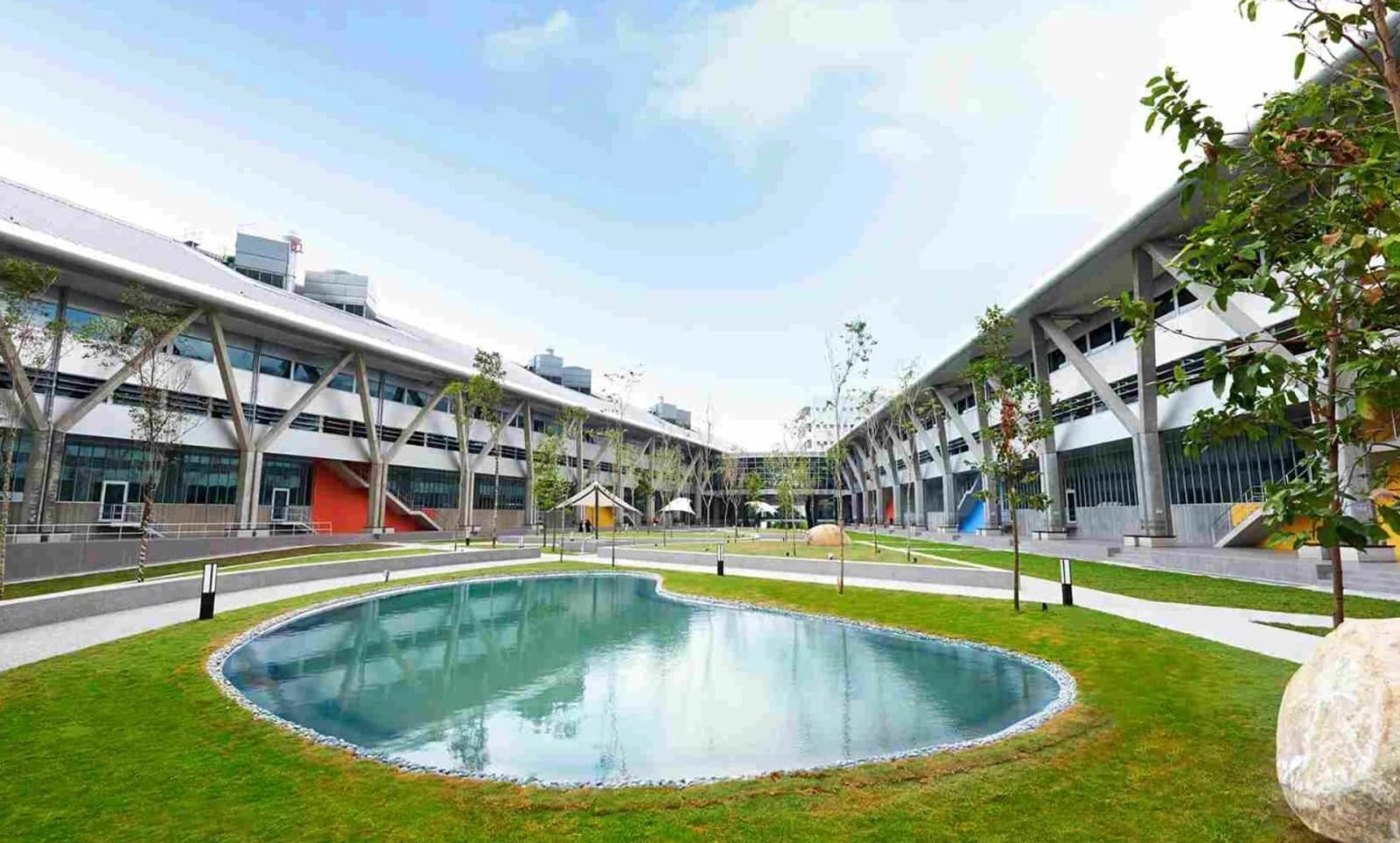
KEY TAKEAWAYS
- ·Penang is scaling its medical technology cluster to diversify beyond semiconductors, leveraging precision engineering and supplier networks built for chip manufacturing.
- ·The state hosts B Braun, Abbott, Boston Scientific, and other global medtech firms, and is targeting higher-value devices with longer production cycles and regulatory moats.
- ·Execution depends on technical training pipelines and infrastructure capacity, as the semiconductor boom tightens labor markets and competes for the same engineering talent.
A Parallel Path to Industrial Depth
Penang has spent decades building its reputation as the Silicon Valley of the East, anchoring Malaysia's semiconductor exports and capturing waves of chip investment driven by AI demand. Now the state is placing a parallel bet on medical technology, seeking to turn an existing cluster of device makers into a strategic pillar that can deliver steadier returns and longer product cycles than the notoriously cyclical chip industry.
The northern Malaysian state already hosts a roster of established medtech manufacturers, including B Braun, Abbott, Boston Scientific, Smith & Nephew, and Dexcom. What the state wants next is not just more factories, but higher-value segments such as surgical instruments, implantable devices, and diagnostic equipment that lock in decades-long relationships with global healthcare supply chains.
InvestPenang, the state investment promotion agency, is framing the medtech push as a natural extension of capabilities Penang has honed in electronics. Precision machining, cleanroom protocols, quality certification regimes, and a deep supplier ecosystem overlap heavily between semiconductors and medical devices, according to Loo Lee Lian, CEO of InvestPenang.
Borrowing from the Chip Playbook
The state's approach mirrors tactics that worked in semiconductors: co-locate original equipment manufacturers with their suppliers, invest in technical training pipelines, and certify facilities to international standards. Penang has been home to chip assembly and test operations since the 1970s, and many of the same contract manufacturers and tooling suppliers can pivot to serve medical device lines with modest retooling.
Medical devices also carry regulatory moats. Once a manufacturer qualifies a facility for FDA or CE mark production, switching locations becomes expensive and time-consuming. That stickiness appeals to Penang officials looking to anchor capital beyond the three-to-five-year investment horizons common in chip fabs, which can relocate or idle capacity as demand swings.
Gross margins in medical devices tend to run higher than in semiconductor assembly, particularly for Class II and Class III devices that require clinical evidence and post-market surveillance. For a state competing with Vietnam, Thailand, and southern China on cost, moving up the value curve is a matter of survival as wage pressures mount.
The Regional Medtech Map
Penang is not alone in courting medtech investment. Singapore has built a biomedical manufacturing cluster anchored by Thermo Fisher, Lonza, and a string of biologics plants. Thailand has attracted BD, Terumo, and a growing roster of consumables makers. Vietnam is scaling up in lower-complexity devices such as gloves and syringes.
Penang's pitch is differentiation through engineering density. The state argues it can handle more complex electromechanical devices, such as insulin pumps and robotic surgical components, that require tighter tolerances and integration with electronics. That positions it between Singapore's high-cost, high-mix model and Vietnam's volume play in commoditized products.
The timing aligns with a broader reconfiguration of medical device supply chains. Western manufacturers have been diversifying production footprints away from single-country concentration, particularly after pandemic-era shortages exposed fragilities. Southeast Asia is absorbing some of that shift, and Penang wants a disproportionate share.
Infrastructure and Talent Constraints
Execution will hinge on whether Penang can scale technical training fast enough to meet demand. Medical device manufacturing requires specialized knowledge in biocompatibility testing, sterilization validation, and traceability systems that go beyond standard electronics assembly. InvestPenang has been working with local polytechnics and industry players to design curriculum, but talent pipelines take years to mature.
Infrastructure is another variable. Penang's utilities and logistics are well developed by regional standards, but the island faces land constraints and traffic congestion that complicate expansion. The state government has been pushing industrial development onto the mainland portion of Penang and into neighboring Kedah, but manufacturers often prefer the island's established ecosystem and proximity to the airport.
The semiconductor boom has also tightened the labor market. Wages for technicians and engineers have been rising, and medtech projects now compete directly with chip fabs for the same pool of skilled workers. That dynamic could limit how quickly the sector can scale, even if investment commitments arrive.
A Hedge, Not a Pivot
Penang is not abandoning semiconductors. The state continues to court chip investment and remains central to Malaysia's ambitions in advanced packaging and AI-related manufacturing. The medtech expansion is better understood as portfolio diversification, a hedge against the cyclicality and geopolitical volatility that now define the chip industry.
For investors and site selectors, Penang's medtech narrative offers a test case in how mid-tier manufacturing hubs adapt when their anchor industry matures. The state is betting that the capabilities it built in one sector can transfer to another, and that long-term value lies in complexity and certification rather than scale alone. Whether that thesis holds will depend on execution, talent development, and the willingness of global medtech firms to commit not just capital, but their most sensitive production processes, to a location still best known for chips.
RELATED STORIES
Eppendorf Plants RM180 Million Manufacturing Base in Penang
Priyanka V. Rao · 3 min
Gamuda Secures $418 Million Data Centre Contract as Malaysia Rides AI Infrastructure Wave
Priyanka V. Rao · 3 min
ASEAN Targets Fourth-Largest Economy Spot as Internal Trade Lags Behind
Priyanka V. Rao · 3 min

Indonesia Car Sales Jump 34% as Electric Vehicles Reshape Southeast Asia's Auto Market
Siti Nuraini · 3 min
Spot something wrong? Email editor@briefasia.com. We log every correction publicly.