Finance · Markets
Malaysia's Ringgit Holds Steady Against Dollar as Fed Signals Rate Hike Ahead
The currency strengthened against most Southeast Asian peers while awaiting the Federal Reserve's next move in September
KEY TAKEAWAYS
- ·Malaysia's ringgit closed unchanged at 4.0875 per US dollar after the Federal Reserve held rates at 3.50 to 3.75 percent with three dissenting votes favoring an increase.
- ·The currency strengthened against the Thai baht, Indonesian rupiah, and Philippine peso but weakened to 3.1701 per Singapore dollar and declined against major currencies including the yen, euro, and pound.
- ·A divided Fed vote signals a likely rate hike at the September 15-16 meeting, with rising crude oil prices threatening to reverse June's inflation moderation in the second half of 2026.
Currency Holds Ground Amid Fed Uncertainty
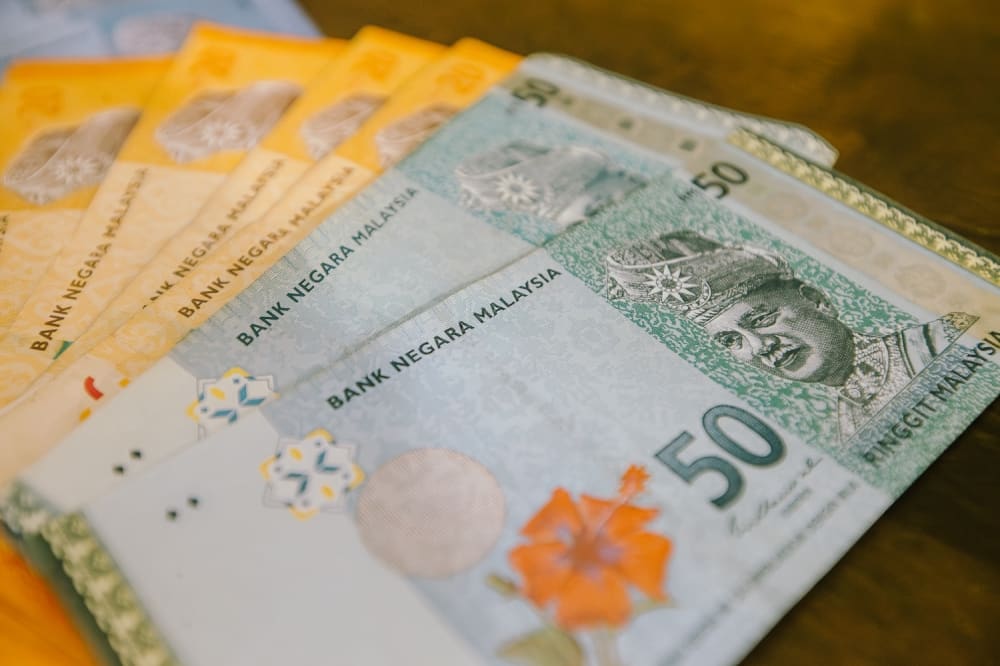
Malaysia's ringgit closed flat against the US dollar on Thursday at 4.0875, unchanged from the previous session, as traders digested signals from the Federal Reserve that pointed toward tighter monetary policy in the coming months.
The currency's stability came despite a divided Federal Open Market Committee decision overnight. While the Fed maintained its benchmark rate in the 3.50 to 3.75 percent range, three of the twelve voting members pushed for an immediate increase. That split decision has fueled expectations of a rate hike at the central bank's September 15-16 meeting.
The divided vote matters for Asian currencies. When the Fed raises rates, dollar-denominated assets become more attractive, typically pulling capital away from emerging markets. The US Dollar Index gained 0.17 percent to reach 101.058 points, reflecting this shift in sentiment.
Regional Currency Dynamics
Against its Southeast Asian neighbors, the ringgit posted mixed but mostly positive results. The currency strengthened to 12.1637 per Thai baht from 12.1971, gained ground against the Indonesian rupiah to 225.7 from 226.1, and appreciated versus the Philippine peso to 6.64 from 6.65.
Singapore proved the exception. The ringgit weakened to 3.1701 per Singapore dollar from 3.1632, reflecting the city-state's currency strength amid its own economic trajectory.
The pattern reveals a broader trend in regional currency flows. While Malaysia's economic fundamentals support modest ringgit strength within Southeast Asia, the gravitational pull of Fed policy continues to dominate cross-border capital decisions.
Major Currency Pressures
The ringgit faced headwinds against major developed-market currencies. It slipped to 2.5029 per Japanese yen from 2.4982, declined to 4.6863 per euro from 4.6561, and weakened to 5.4691 per British pound from 5.4351.
These moves reflect two forces at work. First, the yen has been recovering from multi-decade lows as the Bank of Japan gradually shifts away from ultra-loose policy. Second, both the euro and pound have benefited from their own central banks' hawkish stances, creating a yield advantage over currencies in emerging Asia.
What the Fed Split Means for Malaysia
The three dissenting votes at the FOMC meeting represent the most significant internal disagreement at the Federal Reserve in recent sessions. Those members arguing for an immediate rate increase cite persistent inflation risks, particularly if crude oil prices continue their recent climb.
According to Bank Muamalat Malaysia, the Fed's calculus is shifting. US inflation moderated in June, but rising energy costs in the second half of 2026 could reverse that progress. If inflation reaccelerates, the case for multiple rate hikes strengthens, putting additional pressure on emerging-market currencies including the ringgit.
The ringgit's narrow trading range on Thursday suggests investors are in wait-and-see mode. With six weeks until the next Fed meeting, currency markets will closely watch US inflation data, employment figures, and crude oil prices for clues about the September decision.
Asia's Rate Dilemma
Malaysia faces the same challenge as other Asian economies: balancing domestic growth needs against external currency pressures. If the Fed raises rates in September and signals more hikes to follow, Bank Negara Malaysia may need to reassess its own monetary stance to prevent excessive ringgit weakness.
The current exchange rate of 4.0875 per dollar represents relative stability compared to the volatility seen earlier in the year. Maintaining that stability while supporting economic growth will require careful navigation as US monetary policy enters a new phase.
For now, the ringgit's resilience against regional peers offers some comfort. But the divided Fed vote serves as a reminder that the next leg of currency movement may depend less on Malaysian fundamentals and more on decisions made in Washington.
RELATED STORIES
Ringgit Strengthens as Malaysia's Stable Rates Signal Policy Flexibility
Mariel D. Santos · 3 min
Ringgit Set to Hold Gains as Malaysia Central Bank Meeting Nears
Priyanka V. Rao · 3 min
Malaysian Ringgit Strengthens on Strong US Jobs Data
Tran Quoc Bao · 3 min
Malaysian Equities Climb in Morning Session as Regional Investors Weigh Oil Price Rally
Anand Sundaram · 3 min
Spot something wrong? Email editor@briefasia.com. We log every correction publicly.