Sustainability · Nature
Malaysia Returns Over 3,000 Tons of E-Waste After Absolute Import Ban
A new customs rule took effect in April 2026, but enforcement faces hurdles as smugglers falsify cargo documents and ports process millions of containers annually
KEY TAKEAWAYS
- ·Malaysia has returned 3,057 metric tons of electronic waste across 143 containers since implementing an absolute import ban on April 1, 2026, with another 531 containers scheduled for repatriation.
- ·Port Klang processed 3.2 million shipping containers between January and May 2026, making manual detection of falsified e-waste cargo a formidable challenge for customs authorities.
- ·The ban creates room for domestic recyclers to compete, as imported e-waste previously arrived pre-sorted with high-value components isolated, allowing illegal operators to avoid handling low-value plastics that end up burned or dumped.
Fire Exposes Falsified Cargo
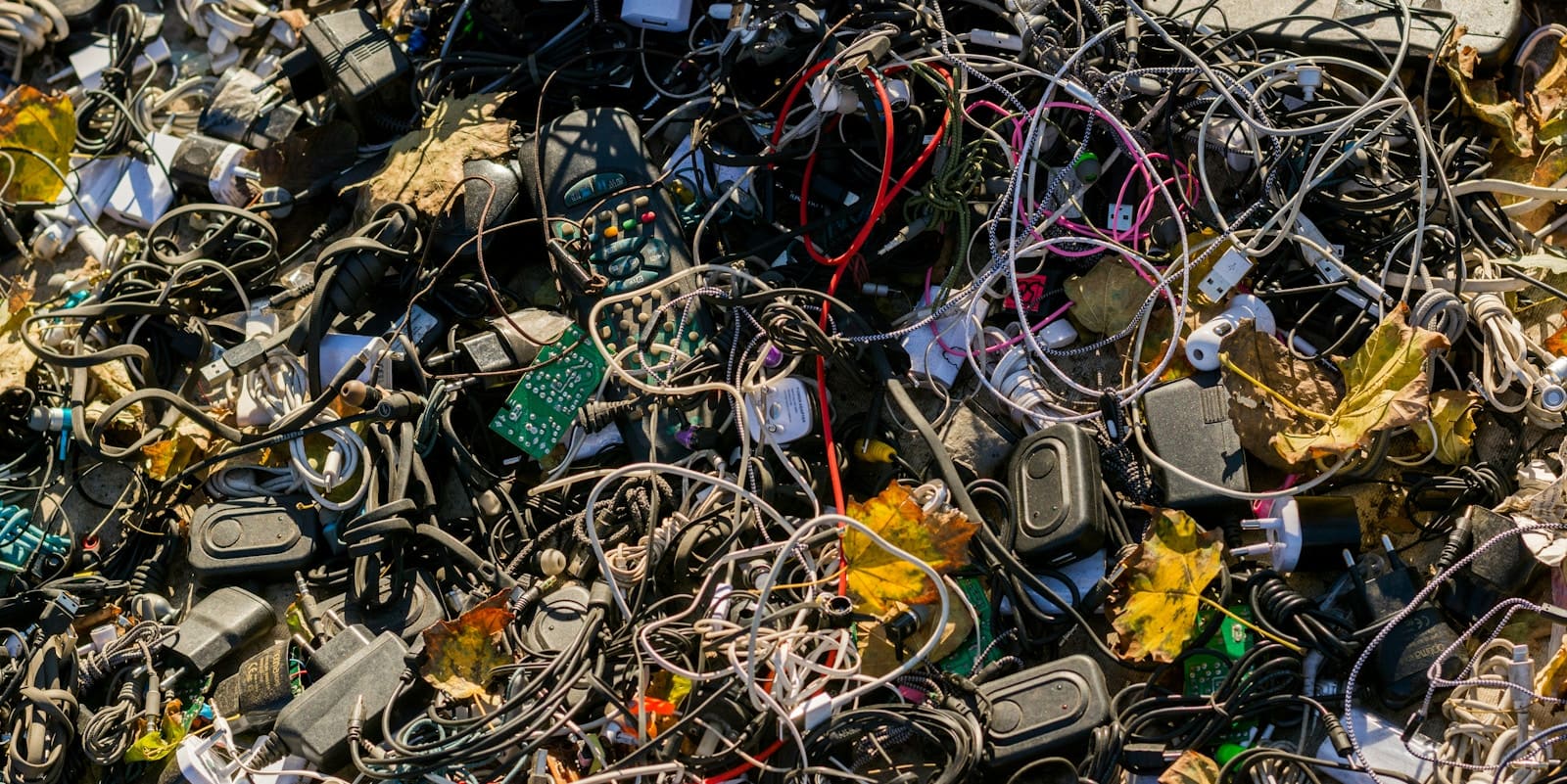
On July 7, 2026, a shipping container burst into flames at Port Klang shortly after unloading. The cargo manifest listed tin ore. Firefighters discovered something different when they opened the scorched container: no industrial metals, only charred electronic waste packed wall to wall.
The incident underscored a persistent problem. Smugglers routinely mislabel hazardous waste shipments as legitimate raw materials to bypass customs scrutiny. This particular container arrived after Malaysia implemented an absolute ban on electronic waste imports, which took full effect on April 1, 2026, under a new Customs Order.
Since January 26, a specialized joint task force called Op Green Shield has inspected 685 containers, according to the Malaysian Border Control and Protection Agency. Among those inspections, authorities identified 143 containers holding 3,057 metric tons of electronic waste. All have been repatriated to their countries of origin. Another 531 containers are scheduled for phased return beginning July 8.
Scale of the Challenge
The numbers tell only part of the story. Port Klang alone processed nearly 3.2 million standard shipping containers between January and May 2026. Nik Ezanee Mohd Faisal, chief of the Border Control and Protection Agency, has acknowledged that manually inspecting this volume remains a formidable task.
Global electronic waste generation reached 62 million metric tons in 2022, according to industry data. Less than one quarter was documented as properly collected and recycled. The Basel Action Network estimates that US brokers alone ship approximately 1,949 containers of electronic waste out of American ports each month, with Malaysia historically serving as a primary destination.
Wealthier nations including the United States, Japan, and parts of Europe have long exported electronic waste to Southeast Asia to avoid higher domestic disposal costs. The practice persists despite the Basel Convention, an international treaty designed to regulate hazardous waste transport. The United States has not ratified the treaty, creating a legal gap that complicates enforcement.
Jim Puckett, executive director of the Basel Action Network, noted that some Western exporters have agreed to retrieve illicit shipments. He emphasized that waste must return to its country of origin rather than being diverted to another developing nation. Both Malaysian and US governments should maintain transparency about returned shipments, he said, to prevent pollution from shifting to third countries.
Shifting Trade Routes
China absorbed nearly half of global plastic waste from 1992 until its 2018 import ban fractured the market. Brokers scrambled to find alternative destinations with lighter regulatory frameworks. Now, as Malaysia closes its borders to electronic waste, the trade is migrating to the United Arab Emirates, India, Pakistan, Indonesia, and the Philippines.
Smugglers are adapting their methods. Puckett said brokers may be distorting transportation routes, sending containers first to South Korea, Singapore, or other intermediate stops before rerouting them to Malaysia. The tactic aims to obscure the original shipping point and evade detection systems.
Domestic Recycling Gets Breathing Room
The import ban creates space for Malaysia's domestic recycling sector to develop. Mohamed Tarek El-Fatatry, who operates local e-waste collection and recycling facility ERTH, welcomed the regulation. It forces the industry to process waste collected within the country instead of managing foreign shipments, he said.
Before the ban, compliant local recyclers faced a competitive disadvantage. Imported electronic waste often arrives pre-sorted by overseas syndicates, allowing operators to extract only high-value components such as motherboards containing gold and other precious metals. A single container of pre-sorted motherboards can yield millions of ringgit when processed.
Domestic waste requires more labor. Collectors receive entire computers, not just motherboards. They must process lower-value metals and non-precious materials, which generate less revenue per kilogram. Unlicensed operators who import pre-sorted stock can cherry-pick valuable materials and avoid handling plastic casings and other undesired components already filtered out.
This economic reality fuels environmental hazards. Illegal operators lack legal access to municipal landfills for disposing of plastic leftovers after extracting valuable metals. Some torch entire components to melt away outer casings and isolate metals inside. Others manually strip valuable materials, then incinerate remaining plastic or crush it into pieces small enough to blend into soil.
Health Consequences
Communities near illegal operations report chemical smoke settling over residential areas when operators run furnaces at night. Tan Yu Jinh, who lives in Telok Panglima Garang, 30 kilometers east of Port Klang, said he keeps doors and windows sealed when the burning begins. He has filed two complaints with authorities and noted that burning has become less frequent since April.
The odor differs from ordinary open burning, he said. It smells like burnt plastic and clings to the back of the throat, making it difficult to breathe. Older electrical devices are commonly treated with flame-retardant chemicals. When burned, they release toxins into the air alongside heavy metals like mercury and cadmium. Without industrial filtering systems, airborne contaminants settle directly into local neighborhoods.
Tan said he worries about long-term exposure for his aging parents, who plan to live in the area indefinitely. Constant exposure to airborne chemicals poses serious respiratory risks, he said.
What Comes Next
Malaysia's enforcement effort represents a significant policy shift, but the infrastructure and manpower required to inspect millions of containers remain substantial hurdles. The success of the ban depends on sustained coordination between customs officials, environmental agencies, and international partners willing to accept returned shipments.
For domestic recyclers operating within legal frameworks, the ban levels the playing field. For communities living near illegal scrapyards, the reduction in foreign waste may ease some pollution, but enforcement against unlicensed domestic operators will determine whether air quality improves in the long term.
RELATED STORIES
Malaysia Breaks Ground on 500km Transmission Backbone to Unlock Renewable Capacity
Priyanka V. Rao · 3 min
Proton Eyes 200,000 Units in 2026, Aiming for Best Sales Year Since 2011
Priyanka V. Rao · 3 min
Ringgit Strengthens as Malaysia's Stable Rates Signal Policy Flexibility
Mariel D. Santos · 3 min
Southeast Asian Firms Race to Raise Green Debt as Region Falls Behind on Renewables
Priyanka V. Rao · 3 min
Spot something wrong? Email editor@briefasia.com. We log every correction publicly.