Finance · Deals
Malaysia Exchange Lifts IPO Forecast as Trading Surge Fuels Profit Jump
Bursa Malaysia pushes target to $8.3 billion after securing 36 listings and dominating Southeast Asian new issues in the first half
KEY TAKEAWAYS
- ·Bursa Malaysia increased its full-year IPO market cap target to RM34 billion after processing 36 new listings that raised RM5.4 billion in the first half.
- ·Net profit rose 15.2 percent to RM144.6 million as average daily securities trading value jumped 35 percent to RM3.3 billion.
- ·The exchange led ASEAN in both IPO count and funds raised during the period, supported by technology sector expansion and stable domestic demand.
Bullish Revision After Regional Dominance
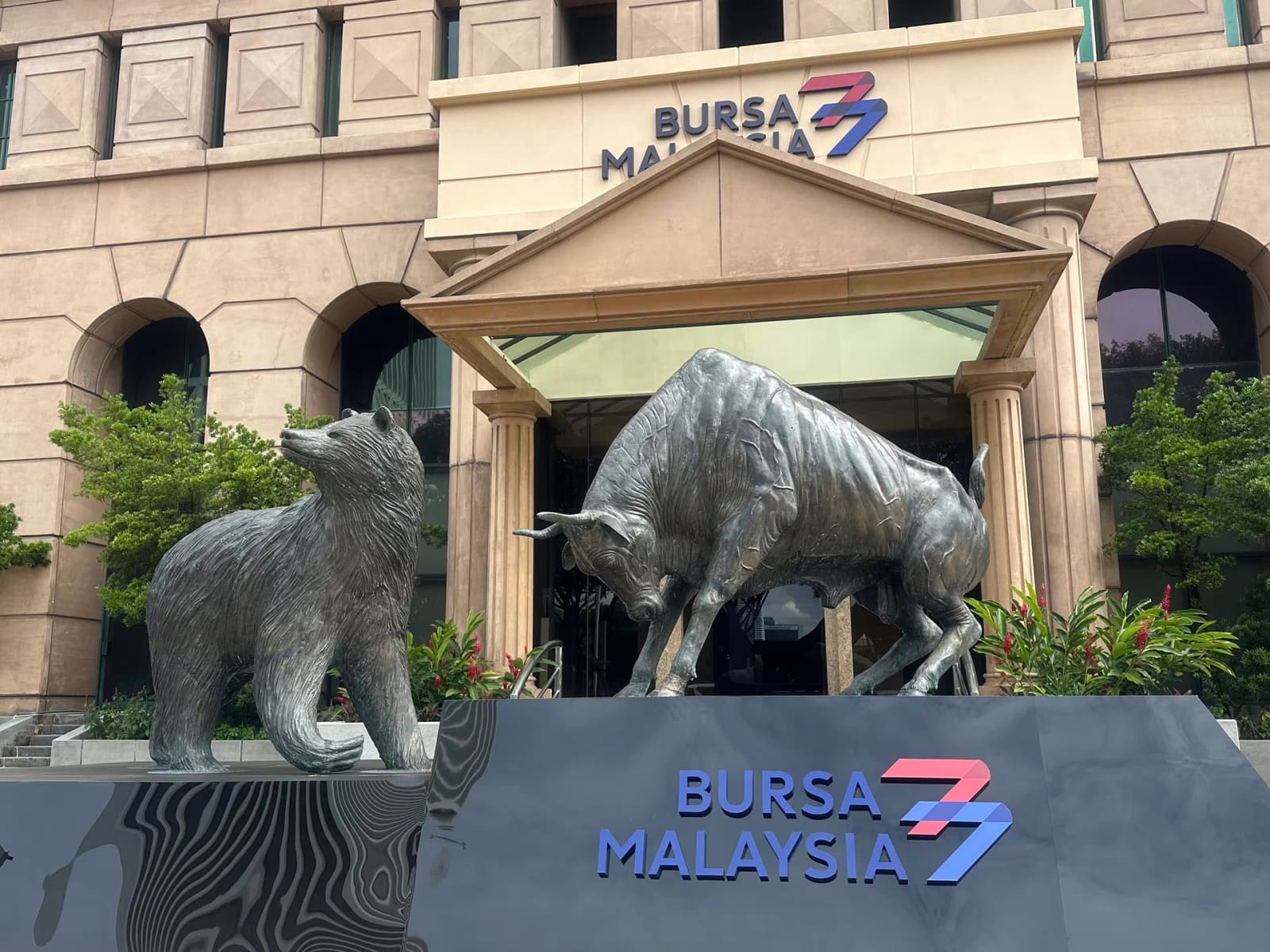
Malaysia's stock exchange operator has increased its full-year target for IPO market capitalization by more than a fifth, banking on a pipeline that has already delivered the strongest fundraising performance across Southeast Asia. Bursa Malaysia now expects new listings to add RM34 billion in market cap by year-end, up from an earlier RM28 billion projection.
The revision follows a six-month stretch in which the exchange processed 36 new listings spanning its Main, Ace and Leap boards. Those deals collectively pulled in RM5.4 billion in primary capital and brought RM26.1 billion in market value onto the platform. The volume gave Kuala Lumpur the edge over regional peers in both deal count and capital raised during the period.
Net profit for the half reached RM144.6 million, a 15.2 percent gain over the year-ago figure of RM125.5 million, according to Bursa Malaysia. Operating revenue climbed to RM411.7 million from RM344.3 million, driven by heavier turnover in equities.
Trading Activity Drives Revenue
Daily trading value in securities averaged RM3.3 billion, marking a 35 percent year-on-year increase that reflected persistent interest from both retail and institutional participants. The securities segment remains the largest contributor to the exchange's top line, underscoring the link between investor sentiment and operator earnings.
Derivatives also posted gains, with average daily contracts traded rising just under 10 percent to 106,518. Crude palm oil futures accounted for 84 percent of that volume, maintaining their position as the dominant product on the derivatives platform.
Islamic finance infrastructure continued to expand. Bursa Suq Al-Sila', the exchange's commodity murabahah platform, recorded an average daily trading value of RM49.5 billion, supported by stronger participation from domestic financial institutions. Shariah-compliant securities now represent 81 percent of all listed instruments. Bursa Gold Dinar transactions surged 178.1 percent to RM200.5 million, reflecting heightened demand for alternative Islamic investment vehicles.
Costs Rise Alongside Growth
Operating expenses increased to RM229 million from RM189 million, a 21 percent jump attributed to higher staff compensation, regulatory fees and capital spending on market infrastructure. The exchange is midway through an upgrade of its Bursa Trade Securities 3 platform, a multi-year project designed to boost latency and capacity.
Non-trading revenue, which includes listing fees and data services, grew 17.6 percent and now makes up 37.3 percent of total operating income. A revision to listing fee schedules implemented earlier this year drove a 64.1 percent increase in issuer services revenue.
For the second quarter alone, net profit rose 25.8 percent to RM71.8 million, while revenue climbed 22.2 percent to nearly RM211 million. The exchange declared an interim dividend of 16.5 sen per share, totaling roughly RM133.5 million and representing a payout ratio of 92 percent.
Economic Backdrop Supports Pipeline
Bursa Malaysia CEO Fad'l Mohamed cited sustained domestic demand and expansion in Malaysia's technology sector as tailwinds for capital formation. The country's economic growth has remained resilient despite global supply-chain friction and elevated interest rates in major markets, creating conditions conducive to equity issuance.
The exchange's first-half performance positions it as the most active listing venue in ASEAN, a region where competition for IPO mandates has intensified. Singapore and Indonesia have also recorded solid fundraising activity, but Kuala Lumpur's deal flow outpaced both in absolute numbers.
Whether Bursa Malaysia can sustain that momentum depends on a mix of macroeconomic stability, corporate appetite for public capital and regulatory support for faster approval timelines. The higher target suggests management sees sufficient deals in the pipeline to justify the upgrade, though external shocks or a reversal in risk sentiment could alter that calculus.
For now, the exchange is riding a wave of activity that has lifted both revenue and profit, even as it continues to invest in the infrastructure needed to handle larger volumes and more complex products. The interim dividend signals confidence that the second half will deliver comparable results.
RELATED STORIES
Malaysian Equities Climb in Morning Session as Regional Investors Weigh Oil Price Rally
Anand Sundaram · 3 min
CIMB Tests Digital Sukuk Settlement in $343 Million Malaysia Pilot
Priyanka V. Rao · 3 min
Malaysia Hospital Group A1Health Prepares US$1.7 Billion IPO for Early 2027
Tran Quoc Bao · 2 min

Blackstone's AirTrunk Lines Up S$2 Billion Loan for Singapore REIT IPO
Anand Sundaram · 3 min
Spot something wrong? Email editor@briefasia.com. We log every correction publicly.