Finance · Deals
CIMB Tests Digital Sukuk Settlement in $343 Million Malaysia Pilot
Twelve institutional investors bought into tokenised Islamic bonds settled with digital bank deposits, testing infrastructure for automated capital markets
KEY TAKEAWAYS
- ·CIMB Group settled RM1.4 billion in tokenised sukuk using digital deposits, with twelve institutional investors participating across five to fifteen year maturities.
- ·The pilot ran through Bank Negara Malaysia's regulatory sandbox and tested whether distributed ledger technology can reduce settlement delays and improve capital efficiency.
- ·Malaysia is positioning the trial as a step toward scaling digital Islamic finance infrastructure domestically and potentially across Southeast Asian markets.
Testing the Plumbing
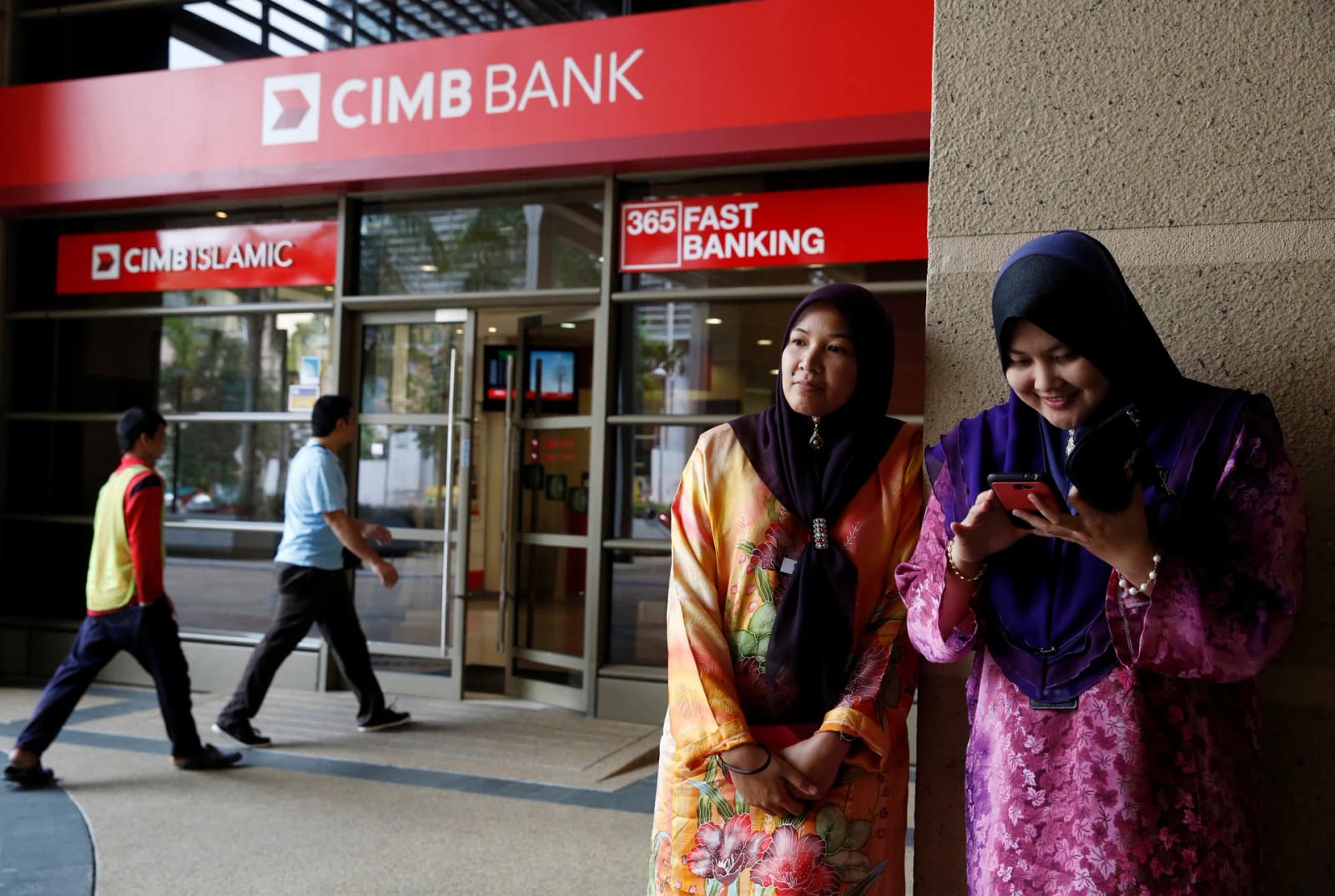
CIMB Group closed a RM1.4 billion ($343 million) sukuk settlement in August using tokenised instruments and digital deposits, a trial that Malaysia's second-largest lender says could reshape how Islamic bonds move through the financial system.
The transaction formed part of a RM1.7 billion ($417 million) issuance under CIMB Islamic Bank's existing RM10 billion Senior Sukuk Wakalah Programme. Twelve institutional investors subscribed to the tokenised portion across five- to fifteen-year maturities. Another RM300 million went out in conventional paper form.
The exercise ran through Bank Negara Malaysia's Digital Asset Innovation Hub, a regulatory sandbox that lets financial institutions experiment with blockchain applications under supervision. CIMB has separately been working with the Securities Commission Malaysia on capital-market token frameworks.
What Changed, What Stayed the Same
Tokenisation converts traditional financial instruments into digital representations on distributed ledgers. The underlying economics and Shariah structure of the sukuk remain identical; what shifts is the technical layer that records ownership and facilitates settlement.
Tokenised deposits mirror that approach for commercial bank money. Instead of moving funds through conventional clearing rails, settlement happens on the same ledger as the asset, potentially collapsing the gap between trade execution and final payment.
CIMB emphasized that pairing tokenised sukuk with tokenised deposits could streamline transaction automation and tighten liquidity management. Faster settlement cycles typically translate into lower capital charges and improved balance-sheet efficiency, though the bank stopped short of quantifying those gains from this pilot.
Policy Ambition Meets Market Reality
Malaysia's Second Finance Minister Amir Hamzah Azizan framed the pilot as a step beyond proof-of-concept theater. The country has long anchored its financial-services identity in Islamic finance; tokenisation offers a path to digitise that franchise without abandoning governance or Shariah compliance standards.
Amir noted that the goal is not technology adoption for its own sake but a practical test of whether digital infrastructure can deliver measurable improvements in transparency, efficiency and connectivity across markets.
CIMB's group chief executive Novan Amirudin said the pilot generated operational and regulatory insights that will inform how the bank scales such capabilities domestically and potentially extends them to cross-border flows. He pointed to reduced transaction friction, faster settlement and better capital efficiency as the practical payoffs if the model proves out.
What Comes After Issuance
Beyond the initial sale and settlement, CIMB indicated the pilot could yield lessons for managing the full lifecycle of tokenised instruments. That includes coupon payments, secondary-market trading and redemption at maturity.
Secondary liquidity remains a question mark. Traditional sukuk markets can be illiquid; whether tokenisation widens the investor base or simply digitises the same pool of buyers will depend on interoperability standards, regulatory clarity and whether other issuers and platforms adopt compatible infrastructure.
Malaysia has been positioning itself as a testbed for digital Islamic finance. Earlier pilots have explored tokenised ringgit for cross-border payments and digital asset custody. The CIMB transaction is the largest sukuk tokenisation by notional value to date in the country and one of the few to pair asset tokens with deposit tokens in a live settlement.
If the model scales, it could set a template for other markets in Southeast Asia where Islamic finance plays a structural role, including Indonesia and Brunei. The near-term challenge will be moving from controlled pilots to production systems that can handle regulatory reporting, tax treatment and investor protection at scale.
RELATED STORIES

Ringgit Gains Ground as Traders Await Fed Chair Warsh's Jackson Hole Address
Priyanka V. Rao · 3 min
Malaysian Palm Oil Giant KLK Swings to RM1.34 Billion Quarterly Loss
Priyanka V. Rao · 3 min

Malaysian Ringgit Climbs on Export Strength as Markets Eye Fed Signals
Priyanka V. Rao · 3 min

Malaysia's NCT and RHB Partner to Expand SME Access to Capital
Priyanka V. Rao · 3 min
Spot something wrong? Email editor@briefasia.com. We log every correction publicly.