Finance · Markets
Malaysian Palm Oil Giant KLK Swings to RM1.34 Billion Quarterly Loss
The conglomerate took a RM1.62 billion impairment charge on its UK associate Synthomer, erasing a year of profits despite rising revenue
KEY TAKEAWAYS
- ·Kuala Lumpur Kepong recorded a RM1.34 billion net loss in Q3 2026 after taking a RM1.62 billion impairment charge on its UK associate Synthomer, reversing a RM346.59 million profit from the prior year.
- ·The palm oil producer's quarterly revenue rose to RM7.05 billion from RM6.43 billion year-on-year, driven by higher sales volumes and lower production costs despite weaker crude palm oil prices.
- ·KLK expects its plantation segment to deliver strong performance through year-end with flat operating costs and favorable palm product prices, while the Synthomer write-down eliminates future earnings volatility with no impact on cash flow or dividends.
Heavy Write-Down Pushes KLK Into the Red
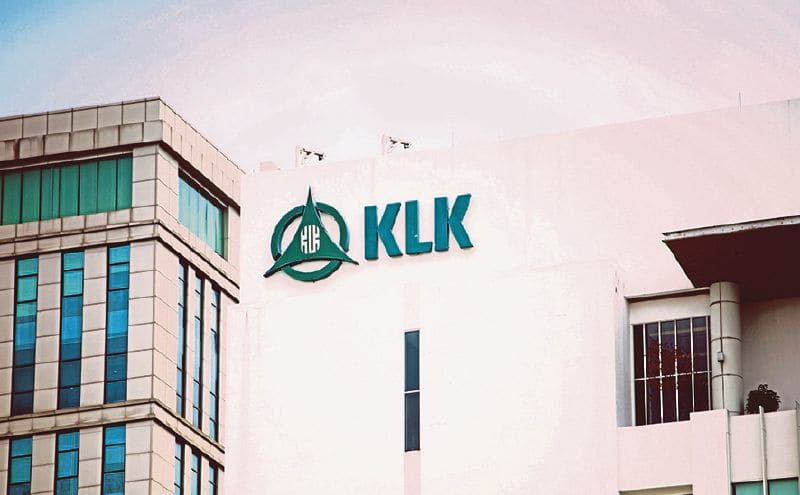
Kuala Lumpur Kepong Bhd recorded a net loss of RM1.34 billion in the third quarter of 2026, a stark reversal from the RM346.59 million profit it posted in the same period a year earlier. The Malaysian palm oil conglomerate attributed the loss to a RM1.62 billion impairment charge on its investment in Synthomer plc, a UK-listed chemicals company.
Revenue for the quarter climbed to RM7.05 billion from RM6.43 billion year-on-year, the company announced in a filing with Bursa Malaysia. The top-line growth came from higher sales volumes and lower crude palm oil production costs, which partially offset weaker CPO selling prices.
KLK characterized the impairment as a non-cash accounting adjustment with no anticipated effect on cash flow or dividend policy. The write-down slashes the carrying value of the Synthomer stake to RM190 million, down from approximately RM1.81 billion before the charge.
Nine-Month Performance Reflects Accounting Impact
For the first nine months of the financial year ending September 30, 2026, KLK reported a net loss of RM667.96 million, compared with a net profit of RM721.31 million in the prior-year period. Revenue over the nine months rose to RM19.95 billion from RM18.71 billion, supported by stronger sales activity and cost discipline in upstream operations.
The company said improved production efficiency in its plantation segment helped cushion the blow from softer palm oil prices during the period. Operating expenses remained relatively stable, contributing to better operational margins in the core business.
Management Sees Strong Fundamentals Beneath the Noise
Lee Jia Zhang, KLK's chief operating officer, said the upstream plantation business continued to deliver robust yields thanks to disciplined management practices. Downstream operations, which include oleochemicals and specialty fats, showed operational and commercial improvements across all regions where the group operates.
"We are optimistic of closing the financial year with a strong performance," Lee said. "To remove the overhang that distorts the group's continued strong fundamental performance, it is important that we provide certainty and clarity to our stakeholders by the decisive move to impair Synthomer."
The company will continue to equity-account for Synthomer, but the reduced carrying cost limits future volatility in KLK's earnings from the associate.
Plantation Outlook Remains Positive
KLK expects its plantation segment to maintain strong performance in the coming months, underpinned by healthy production levels and favorable palm product prices. The company projects operating costs to remain flat for the full financial year, providing a stable base for profitability in the core business.
Palm oil prices have shown resilience in recent months, buoyed by tight global vegetable oil supplies and steady demand from major importing countries in Asia. Malaysia and Indonesia, which together account for around 85 percent of global palm oil production, have seen production recover from earlier weather-related disruptions.
The Synthomer impairment marks a clean break for KLK, which has faced recurring earnings volatility from the chemicals associate. By crystallizing the loss now, the company aims to refocus investor attention on its plantation and downstream operations, where it holds leading positions in Southeast Asia.
KLK's decision to take the full impairment in a single quarter reflects a broader trend among Asian conglomerates to clean up balance sheets and simplify earnings narratives. The move provides a clearer picture of the company's core profitability and reduces uncertainty around future results.
With the write-down behind it and plantation fundamentals holding firm, KLK is positioning itself for a more predictable earnings trajectory as it closes out its 2026 financial year. The company's emphasis on maintaining dividends despite the accounting loss signals confidence in underlying cash generation and operational health.
RELATED STORIES
Malaysia's NCT and RHB Partner to Expand SME Access to Capital
Priyanka V. Rao · 3 min
Jardine C&C Exits Singapore and Malaysia Auto Markets in $208M Deal
Priyanka V. Rao · 3 min

Malaysian Ringgit Climbs on Export Strength as Markets Eye Fed Signals
Priyanka V. Rao · 3 min

Ringgit Rally Faces Correction Risk as Fed Chair Takes Stage
Cheng Wei-Lun · 3 min
Spot something wrong? Email editor@briefasia.com. We log every correction publicly.