Asia · Business
Macao Casino Revenue Drops Amid Beijing's Renewed Gaming Scrutiny
China's intensified oversight of cross-border capital flows and high-roller activity sends shockwaves through the world's largest gambling hub
KEY TAKEAWAYS
- ·Macao casino operators reported double-digit declines in VIP turnover during late July as Beijing intensified enforcement on cross-border capital flows and underground banking networks.
- ·China's crackdown targets payment channels used to circumvent capital controls, focusing on junket operators and third-party money changers in southern provinces.
- ·Operators are pivoting to licensed junkets and state-approved digital payments while analysts downgrade earnings forecasts due to heightened policy risk.
A Chill Descends on the Cotai Strip
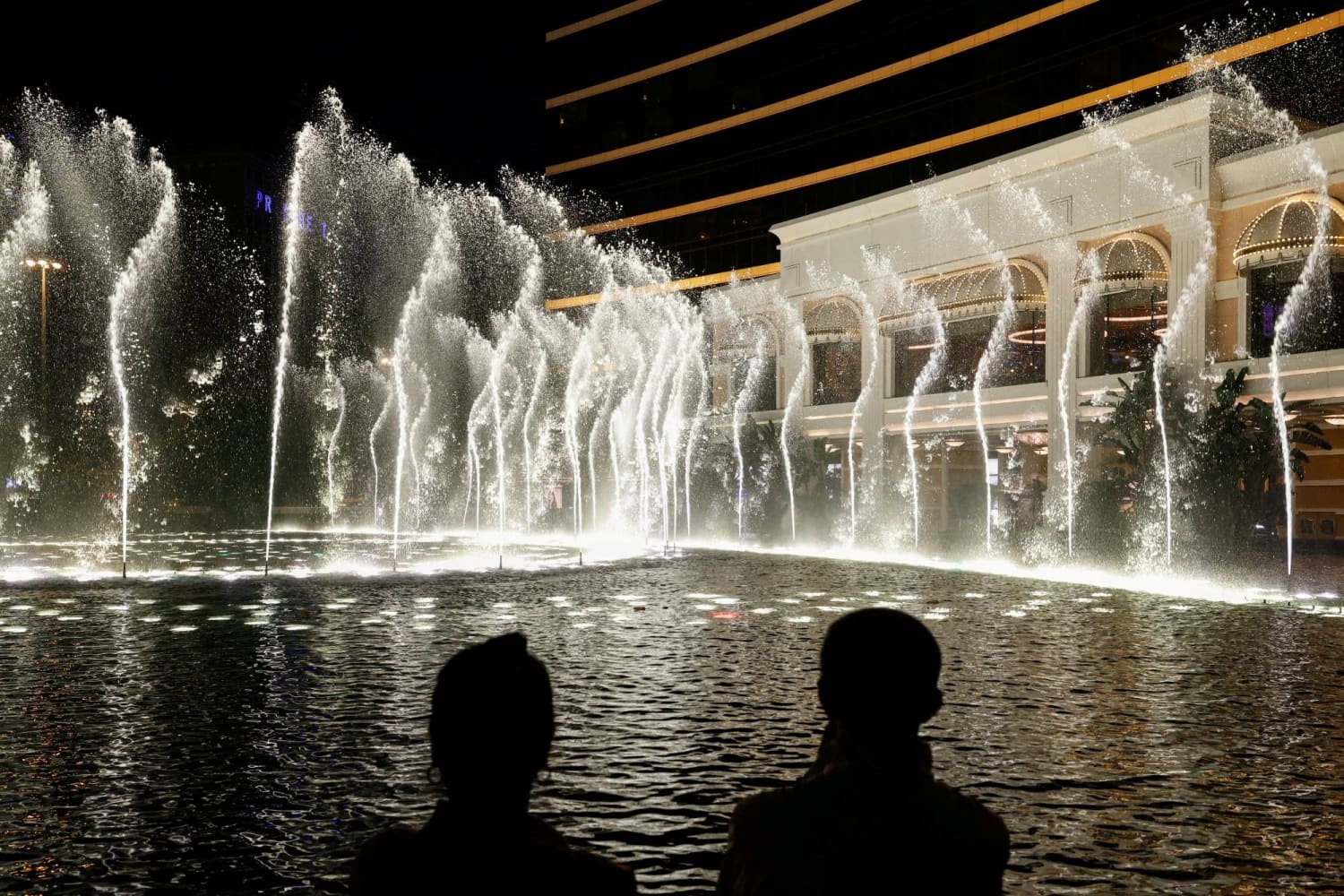
The neon-lit facades of Macao's mega-resorts still draw crowds, but behind the spectacle, operators are bracing for turbulence. Casino revenue in the Special Administrative Region has stumbled in recent weeks as mainland authorities step up scrutiny of cross-border money movement and high-stakes gambling, rekindling fears that defined the sector's darkest years.
The renewed enforcement campaign targets channels used to circumvent China's strict capital controls, including underground banking networks and cryptocurrency transfers. For Macao's casino floors, where VIP baccarat tables have historically generated the bulk of profits, the implications are immediate. Several operators reported a noticeable pullback in premium-segment play during late July, with some properties seeing double-digit declines in VIP turnover compared to the same period last year.
Why Beijing Is Acting Now
China's latest moves reflect broader concerns about financial stability and capital flight. Regulators in Guangdong and other southern provinces have launched coordinated inspections of junket operators and third-party money changers, while state media have published commentaries emphasizing the need to close loopholes in cross-border financial supervision.
The timing coincides with renewed volatility in Chinese equity markets and a weakening yuan, conditions that historically prompt Beijing to tighten outbound capital flows. Macao, despite its return to Chinese sovereignty in 1999, remains a pressure point. The territory's casinos have long served as a conduit for wealthy mainlanders seeking to move money offshore, a dynamic that successive administrations in Beijing have sought to curb.
Industry watchers note that the current crackdown differs from the sweeping anti-corruption campaign that hammered Macao between 2014 and 2016. This time, enforcement appears more surgical, focusing on specific payment mechanisms rather than a blanket freeze on official travel or junket operations. Still, the psychological effect on high rollers is similar: uncertainty drives caution, and caution keeps wallets closed.
Operators Scramble to Adapt
Macao's six licensed concessionaires have spent years pivoting toward mass-market gamblers and non-gaming attractions, a strategy accelerated by pandemic-era border restrictions and Beijing's explicit policy preference for family-friendly entertainment. The shift has borne fruit. Mass-market revenue now accounts for a larger share of the total than it did a decade ago, and integrated resorts have invested billions in convention centers, retail arcades, and Michelin-starred dining.
Yet the VIP segment remains disproportionately profitable. Premium players wager larger sums per visit, and their spending extends beyond the tables to luxury suites, private jets, and bespoke experiences. Losing even a fraction of that cohort dents operator margins and complicates the business case for future capital expenditure.
Some properties are responding by deepening ties with licensed junkets that have survived regulatory culls and maintained clean compliance records. Others are doubling down on digital payment infrastructure approved by mainland authorities, hoping to offer convenience without crossing red lines. A few are exploring partnerships with state-owned travel agencies and financial institutions, betting that official endorsement will insulate them from enforcement risk.
The Broader Regional Context
Macao's troubles unfold against a backdrop of shifting gaming dynamics across Asia. Integrated resorts in Singapore, the Philippines, and South Korea have all courted Chinese high rollers in recent years, offering alternatives that carry less regulatory baggage. Cambodia and Vietnam, meanwhile, have opened new casino zones targeting regional tourists, though infrastructure and compliance standards lag behind Macao's.
For investors, the question is whether Macao can sustain its role as Asia's undisputed gaming capital or whether Beijing's tightening grip will erode its competitive edge. Analysts at several Hong Kong-based brokerages have downgraded earnings forecasts for Macao operators in recent weeks, citing heightened policy risk and slower-than-expected recovery in premium play.
The territory's government, for its part, has reiterated its commitment to economic diversification and strict adherence to anti-money-laundering standards. Officials have held closed-door meetings with casino executives to discuss compliance protocols and have signaled willingness to cooperate closely with mainland regulators. The message is clear: Macao's future depends on staying in Beijing's good graces, even if that means accepting a smaller, more tightly controlled gaming market.
What Comes Next
The next few months will test the resilience of Macao's recalibrated business model. Operators will watch whether enforcement intensity escalates or stabilizes, and whether mainland travelers continue to visit in meaningful numbers despite the chilling effect on VIP play. Key indicators include gross gaming revenue figures for August and September, as well as any public statements from Beijing on cross-border financial policy.
For the broader Asia gaming sector, Macao's experience serves as a reminder that regulatory risk is never fully priced in. Markets that depend heavily on Chinese demand operate at the pleasure of policymakers in Beijing, and those preferences can shift with little warning. Operators elsewhere in the region are taking notes, recalibrating their own exposure to mainland high rollers and stress-testing contingency plans.
Macao's casinos have weathered crises before, from SARS to the 2014 crackdown to pandemic lockdowns. Each time, the industry has adapted, albeit at a cost. Whether this latest chapter ends in stabilization or prolonged downturn will depend on variables beyond any operator's control: Beijing's tolerance for capital outflows, the trajectory of China's economy, and the delicate politics of a territory caught between two systems.
RELATED STORIES

7-Eleven Owner Calls China Its Toughest Market Amid Subsidy Wars
Cheng Wei-Lun · 3 min

BYD, Geely and Chery Crack Global Auto Top Ten
Cheng Wei-Lun · 3 min
Shein Retreats From Vietnam Warehouse Bet as China Manufacturing Proves Irreplaceable
Cheng Wei-Lun · 4 min
China's Consumer Prices Rise at Slowest Pace in Seven Months
Cheng Wei-Lun · 4 min
Spot something wrong? Email editor@briefasia.com. We log every correction publicly.