Technology · Policy
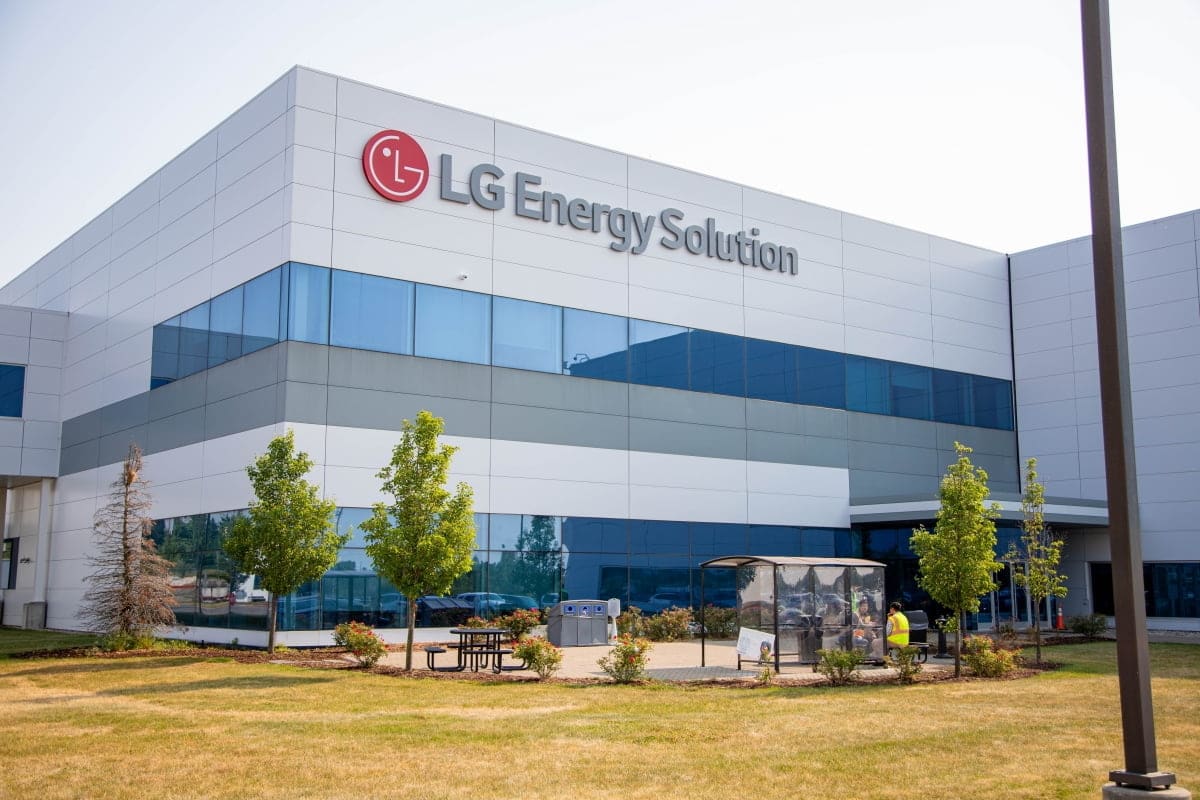
LG Energy Solution Pursues US Import Ban Against Chinese Rival EVE Energy
South Korean battery giant files patent complaints seeking to block cylindrical battery imports from China's EVE Energy
KEY TAKEAWAYS
- ·LG Energy Solution filed complaints with the US International Trade Commission and a Texas federal court targeting EVE Energy over alleged patent infringement on cylindrical batteries.
- ·A successful ITC ruling could block EVE Energy from importing batteries and battery-containing products into the United States, a key growth market.
- ·The legal action reflects intensifying competition between South Korean and Chinese battery manufacturers for dominance in the North American EV supply chain.
Patent Battle Intensifies
LG Energy Solution has launched legal action in the United States targeting EVE Energy, one of China's leading battery manufacturers, over alleged patent violations. The South Korean company filed complaints with the US International Trade Commission and a federal court in Texas, according to Tulip Innovation, which handles patent licensing for LG Energy Solution.
The complaints center on cylindrical batteries produced by EVE Energy and products that contain them. LG Energy Solution is seeking an import ban through the ITC, a move that could shut EVE Energy out of the US market if successful.
Strategic Timing
The legal offensive comes as both Asian battery giants compete for a larger share of the lucrative North American electric vehicle supply chain. Cylindrical batteries have gained prominence in recent years, with Tesla and other automakers adopting the format for certain vehicle lines due to manufacturing efficiency and thermal management benefits.
EVE Energy has expanded aggressively into international markets over the past three years, securing supply contracts with several automakers and energy storage projects. The company operates production facilities in China and has announced plans to establish manufacturing capacity closer to key export markets.
LG Energy Solution, meanwhile, maintains a substantial presence in the US through joint ventures with General Motors and partnerships with other American automakers. The company has invested billions in domestic battery production to qualify for incentives under the Inflation Reduction Act.
ITC Route
Filing with the US International Trade Commission represents a particularly potent legal strategy. The ITC has authority to block imports of products found to infringe US patents, and its proceedings typically move faster than traditional patent litigation in federal courts. A favorable ITC ruling could halt EVE Energy's ability to ship batteries or battery-containing products into the United States.
The parallel lawsuit in Texas federal court allows LG Energy Solution to pursue monetary damages alongside the import ban. Patent holders frequently deploy this dual-track approach to maximize pressure on alleged infringers.
Asia Battery Wars
The dispute reflects broader competitive tensions in the Asia-Pacific battery industry. South Korean manufacturers including LG Energy Solution, Samsung SDI, and SK On have historically dominated global lithium-ion battery supply for automotive applications. Chinese producers such as CATL, BYD, and EVE Energy have rapidly scaled production and pursued international expansion, often with lower cost structures.
Patent litigation has emerged as one battlefield in this industrial rivalry. Chinese battery makers face multiple intellectual property challenges as they push into Western markets, while Korean and Japanese incumbents defend technology portfolios built over decades of research and development.
The outcome of LG Energy Solution's complaints could influence how other battery manufacturers approach the US market and shape the competitive landscape for EV supply chains. A successful import ban would force EVE Energy to either license LG's patents, design around the disputed technology, or abandon the US market for affected products.
Neither LG Energy Solution nor EVE Energy has publicly disclosed the specific patents at issue or responded to requests for comment on the litigation.
RELATED STORIES
South Korea Taps Three Telecom Giants to Deliver Free AI Services Nationwide
Cheng Wei-Lun · 3 min
SK Hynix Eyes Deeper Collaboration With Japan's Chip Sector
Cheng Wei-Lun · 4 min
Samsung Display Restarts Asan OLED Campus as Foldable Phones Stage Recovery
Cheng Wei-Lun · 4 min
Samsung Workers Plan Protest Over Pay Gap Between Chip and Device Units
Jun-ho Seo · 3 min
Spot something wrong? Email editor@briefasia.com. We log every correction publicly.