Sustainability · Energy
LG Energy Solution Reopens Ohio Battery Plant as EV Demand Stabilizes
The South Korean battery maker will bring back 850 workers to its joint venture with General Motors, signaling renewed confidence in North America's electric vehicle market
KEY TAKEAWAYS
- ·LG Energy Solution will recall 850 workers to its Ohio joint venture with General Motors starting July 27, with full production resuming in Q4 2026.
- ·The restart follows a six-month shutdown and signals battery makers see stabilizing electric vehicle demand in North America after a period of market correction.
- ·The phased rehiring approach suggests cautious optimism, allowing the company to match output with confirmed orders while retaining flexibility if demand shifts again.
Production Returns to Warren
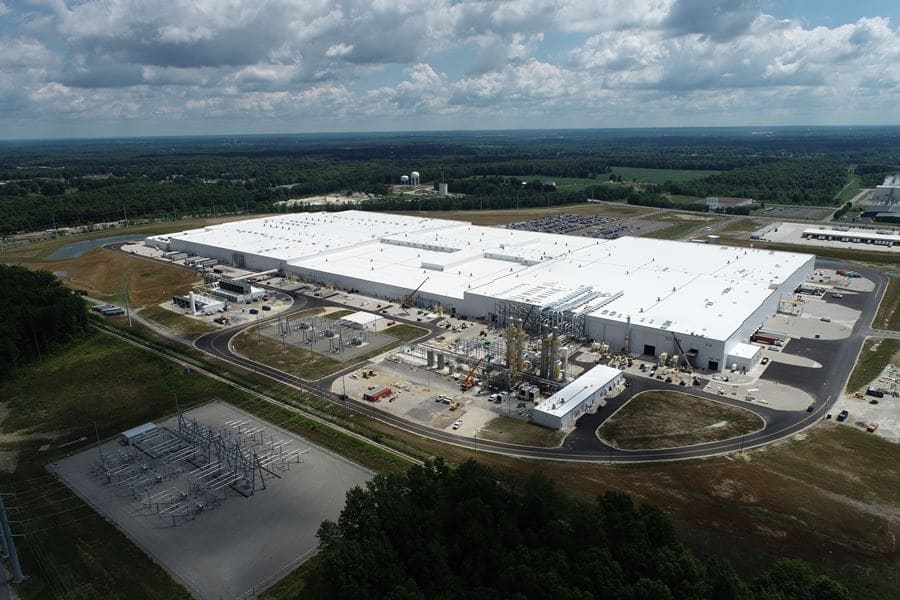
LG Energy Solution announced plans to restart operations at Ultium Cells Plant 1 in Warren, Ohio, bringing an end to a six-month production halt that reflected broader uncertainty in the electric vehicle battery sector. The facility, a joint venture with General Motors, will begin recalling approximately 850 temporarily laid-off workers starting July 27, with the rehiring process continuing through mid-August.
The South Korean battery manufacturer expects to reach full-scale production by the fourth quarter of 2026, following facility maintenance and workforce reintegration. The timeline suggests management sees sustained improvement in order flow rather than a temporary uptick.
Market Context Behind the Restart
The decision to resume operations comes as electric vehicle sales in North America show renewed momentum after a period of inventory correction and consumer hesitation. While overall EV adoption rates remain below some earlier projections, the market has stabilized enough for battery suppliers to justify ramping production capacity back up.
For LG Energy Solution, the Ohio plant represents a critical piece of its North American manufacturing footprint. The company has invested heavily in localizing battery production to serve automakers seeking to qualify for U.S. federal tax incentives under the Inflation Reduction Act, which requires domestic content thresholds for battery components.
General Motors, the joint venture partner, has multiple electric vehicle models in production or development that rely on Ultium battery cells. The automaker's EV strategy depends on securing adequate battery supply at competitive costs, making the Ohio facility's output essential to its production plans.
Broader Industry Implications
The restart at Warren offers a data point for tracking the health of North America's EV supply chain. Battery manufacturers across the region have faced a challenging 18 months marked by volatile raw material costs, shifting subsidy frameworks, and uneven consumer demand across vehicle segments.
Other battery producers with North American operations have taken varied approaches. Some have delayed planned capacity expansions, while others have maintained production schedules despite softer near-term demand, betting on longer-term growth trajectories.
The phased rehiring approach at the Ohio plant suggests LG Energy Solution is calibrating output carefully rather than rushing to maximum capacity. Bringing workers back in waves allows the company to match production levels with confirmed orders while retaining flexibility if demand patterns shift again.
What Comes Next
Industry observers will watch whether the Ohio restart is followed by similar moves at other battery facilities that have scaled back operations. The fourth quarter timeline for full production also aligns with the traditional peak season for automotive manufacturing, when automakers build inventory ahead of the new model year.
For workers returning to the Warren facility, the recall represents welcome news after months of uncertainty. The Ultium plant employs a significant portion of the local workforce in the Youngstown-Warren metro area, and the production pause had ripple effects across the regional economy.
LG Energy Solution's decision reflects a calculated assessment that the worst of the EV market correction has passed. Whether that optimism proves justified will become clearer as production ramps and order books fill through the remainder of 2026.
RELATED STORIES
LG Energy Solution Launches Michigan Battery Plant to Meet North American ESS Demand
Cheng Wei-Lun · 3 min
Indonesia's Renewable Push Masks Growing Coal Dependence in Industrial Sector
Siti Nuraini · 3 min
Indonesia's Nickel Boom Runs on Coal, Threatening Climate Goals
Siti Nuraini · 5 min
LG Energy Solution Returns to Operating Profit on Storage Battery Pivot
Cheng Wei-Lun · 3 min
Spot something wrong? Email editor@briefasia.com. We log every correction publicly.