Technology · Products
Lenovo Accelerates Toward $100 Billion Revenue on AI Momentum
The Chinese tech giant says it will hit its ambitious revenue target ahead of schedule, though memory chip shortages threaten to pressure device margins through 2027
KEY TAKEAWAYS
- ·Lenovo will reach its $100 billion annual revenue goal sooner than the original two-year timeline, driven by AI infrastructure demand across Asia.
- ·Memory chip shortages are squeezing device costs and margins, with executives warning the pressure will persist into next year.
- ·Analysts floated a subsequent target of $130 billion revenue and 5% net margin, which management did not dispute as a multi-year direction.
Record Growth Ahead of Schedule
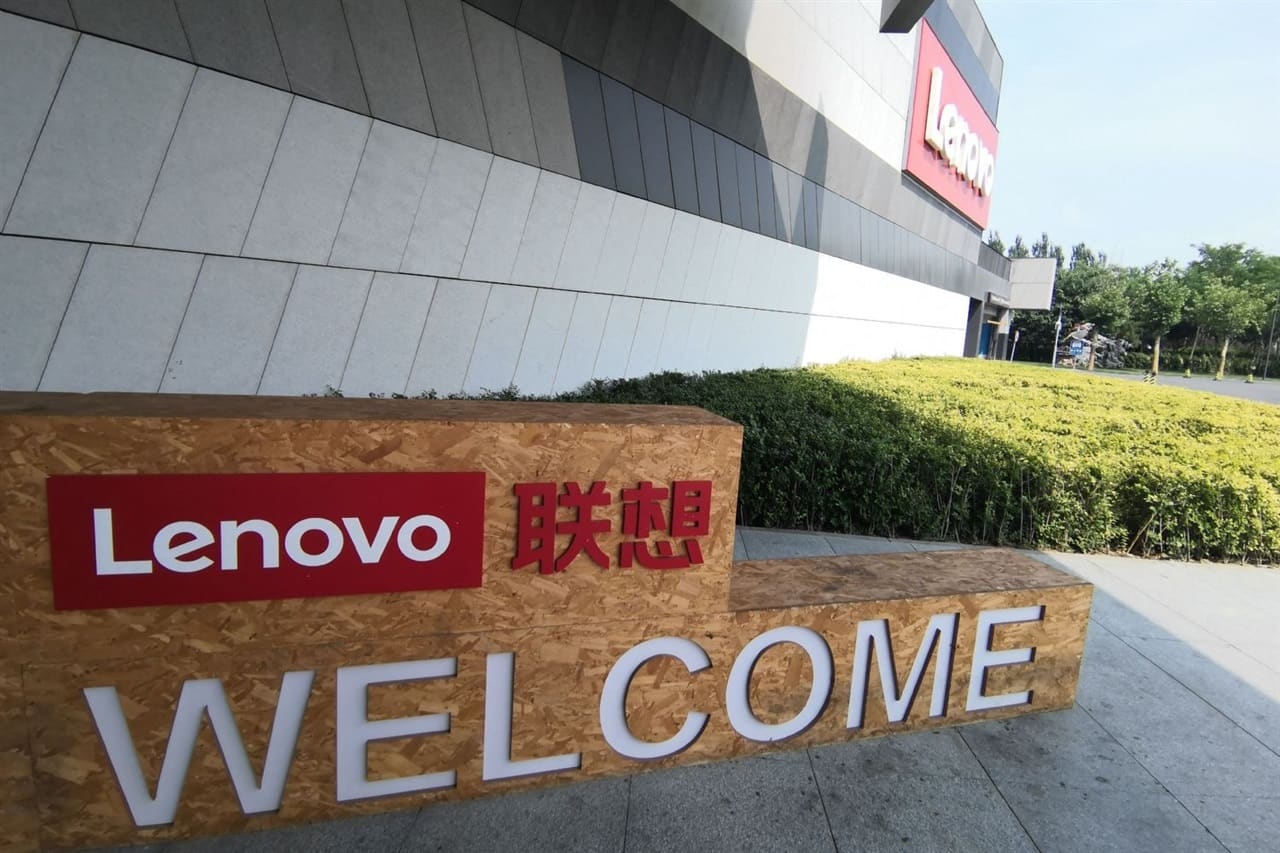
Lenovo Group is closing in on its $100 billion annual revenue milestone faster than originally anticipated, driven by surging demand for AI infrastructure and enterprise hardware. Chairman and CEO Yuanqing Yang told investors during the company's August 13 earnings call that the Beijing-based technology conglomerate will reach the target "sooner than planned," a notable acceleration from the two-year timeline executives outlined at the start of the current fiscal year.
The announcement underscores how quickly AI adoption is reshaping revenue trajectories across Asia's technology sector. Lenovo, which holds dominant positions in both PC manufacturing and data center infrastructure, has been positioning itself as a key beneficiary of the AI buildout sweeping through enterprise and cloud markets from Tokyo to Mumbai.
Yang did not specify an exact timeline for hitting the $100 billion mark, but the faster trajectory suggests the company could cross the threshold within the next twelve to eighteen months. Analysts on the call floated a subsequent target of $130 billion in revenue alongside a net margin above 5%, a projection management did not dispute and which executives appeared to embrace as a multi-year direction for the group.
Memory Costs Cast Shadow Over Device Business
The optimism around top-line growth came with a significant caveat. Lenovo executives warned that ongoing shortages in memory chips will continue to squeeze costs across the company's device portfolio well into next year. The constraint affects everything from consumer laptops to enterprise servers, where DRAM and NAND pricing has climbed sharply over the past several quarters.
Memory has emerged as one of the most acute bottlenecks in the global electronics supply chain, driven by a combination of underinvestment in new fabrication capacity and explosive demand from AI training clusters that consume high-bandwidth memory modules. For device makers like Lenovo, the crunch translates directly into higher bills of materials and pressure on gross margins, particularly in price-sensitive consumer segments.
The company did not quantify the margin impact during the call, but industry data suggests memory costs have risen between 20% and 40% year-over-year depending on component type and contract terms. That dynamic forces manufacturers to either absorb the cost, pass it to customers through higher prices, or shift product mix toward higher-margin enterprise and AI-focused hardware where pricing power is stronger.
Asia's AI Infrastructure Race
Lenovo's accelerated revenue growth reflects broader trends reshaping technology investment across Asia. Governments and enterprises from Singapore to Seoul are pouring capital into AI infrastructure, creating robust demand for servers, storage, and networking gear. Lenovo's infrastructure solutions group, which includes data center hardware and edge computing platforms, has been a primary beneficiary of this wave.
The company competes directly with regional players like Inspur and global giants including Dell and Hewlett Packard Enterprise in the server market, where differentiation increasingly hinges on AI-optimized architectures and liquid cooling systems capable of handling high-density GPU clusters. Lenovo has been investing heavily in these areas, partnering with chipmakers and hyperscalers to secure design wins in next-generation data centers.
At the same time, the traditional PC business remains a substantial revenue contributor, even as growth in that segment has moderated following the pandemic-era spike. Lenovo's ability to sustain momentum toward $100 billion will depend on balancing cyclical pressures in consumer devices with structural growth in enterprise and infrastructure markets.
What Comes After $100 Billion
The $130 billion revenue goal and 5% net margin target that surfaced during the call represent a significant step-up in ambition. Reaching that level would require Lenovo to sustain double-digit growth rates for several more years while expanding profitability in a competitive and capital-intensive industry. The net margin target is particularly notable, as it implies improved operational efficiency and a shift toward higher-value product lines.
Lenovo has historically operated with relatively thin margins compared to software-centric technology companies, reflecting the commoditized nature of much of its hardware business. Achieving a consistent 5% net margin would signal a meaningful transformation in the company's business mix, likely driven by growth in infrastructure, services, and AI-related offerings where pricing is less constrained by consumer price sensitivity.
Investors will be watching closely to see how the company navigates the memory cost headwinds in the near term while maintaining the growth trajectory that has brought the $100 billion milestone within reach ahead of schedule. The balance between top-line expansion and margin discipline will define whether Lenovo can sustain its momentum through the next phase of its growth story.
RELATED STORIES
CXMT Reports 90% Yield on DDR5 Production as Chinese Chipmaker Eyes PC Market
Cheng Wei-Lun · 4 min
Tencent Accelerates AI Infrastructure Build Despite Short-Term Profit Pressure
Cheng Wei-Lun · 3 min
Lenovo Posts 43% Revenue Jump as Memory Costs Reshape PC Market
Cheng Wei-Lun · 3 min
Chinese AI Video Models Position Country for World Model Leadership
Cheng Wei-Lun · 4 min
Spot something wrong? Email editor@briefasia.com. We log every correction publicly.