Technology · AI
KT Builds AI Data Platform for Amorepacific's Seven Decades of Research
South Korean telecom integrates 70 years of R&D records into unified system designed to speed product development cycles
KEY TAKEAWAYS
- ·KT completed a data integration project for Amorepacific's Research & Innovation Center, consolidating 70 years of R&D records into a unified AI-compatible platform called Data Highway.
- ·The system standardizes structured and unstructured research data, enabling natural language queries and predictive modeling to compress product development timelines.
- ·The project reflects broader momentum in South Korea's beauty industry toward computational R&D methods as companies compete on speed-to-market and personalization.
Data Infrastructure Overhaul
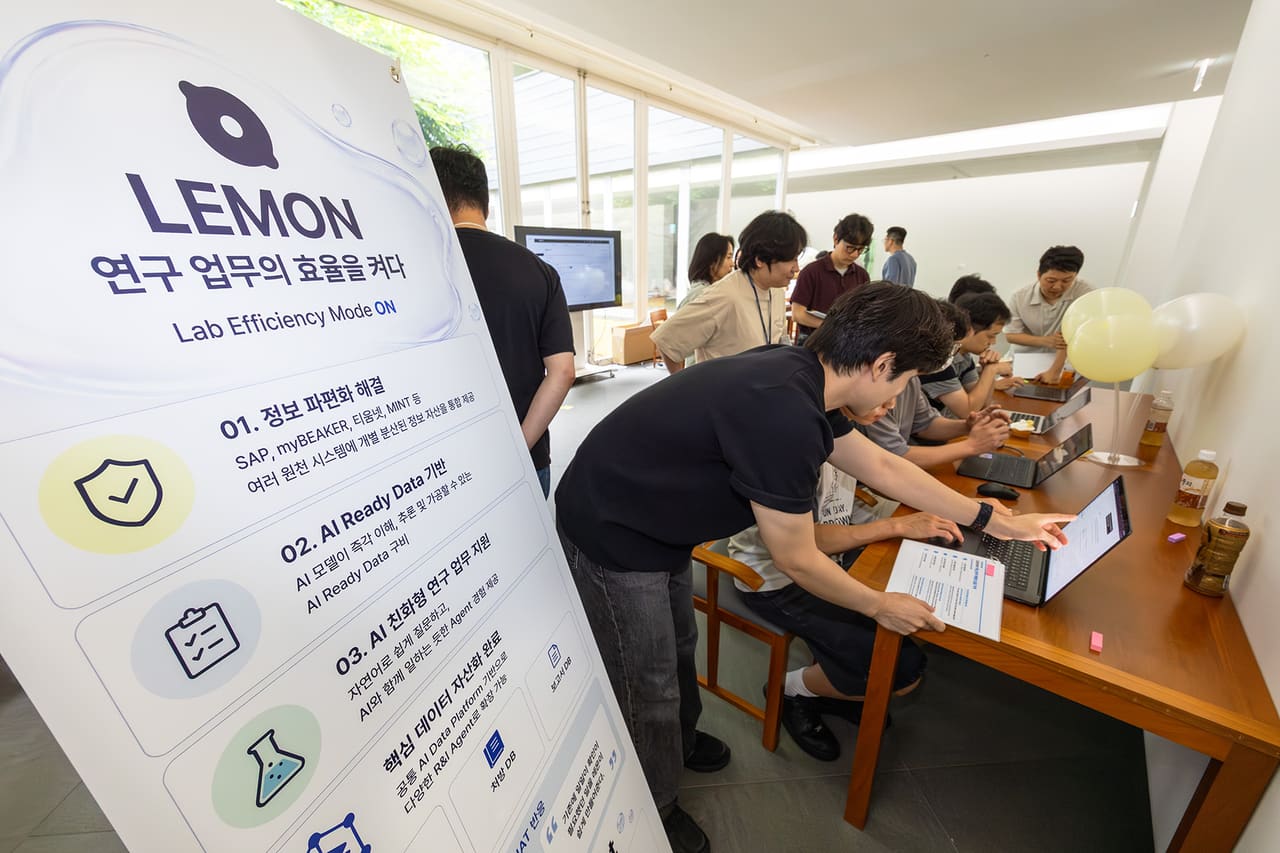
KT has finished deploying a comprehensive data integration system for Amorepacific's Research & Innovation Center, bringing 70 years of accumulated research records into a single AI-compatible architecture. The initiative, which the telecom operator calls Data Highway, reorganizes legacy R&D information spanning decades of cosmetics and skincare research into formats that machine-learning models can parse and analyze efficiently.
The platform addresses a common challenge in long-established corporations: data siloed across incompatible systems, formats, and storage locations. Amorepacific's research archives include formulation notes, clinical trial results, ingredient databases, and patent documentation accumulated since the company's founding era. Much of this material existed in analog formats or proprietary digital structures that modern AI tools struggle to interpret.
According to KT, the Data Highway project standardizes both structured datasets (spreadsheets, databases, numerical measurements) and unstructured content (research papers, lab notebooks, image files) into unified schemas. This standardization enables researchers to query the entire historical corpus through natural language interfaces and allows AI models to identify patterns across previously disconnected data pools.
Strategic Context in Korean Beauty Tech
The collaboration reflects broader momentum in South Korea's beauty industry toward computational R&D methods. Amorepacific, which operates brands including Sulwhasoo, Laneige, and Innisfree, competes in a market where speed-to-market and personalization increasingly determine commercial success. Rivals like LG Household & Health Care and Clio have similarly invested in digital infrastructure to compress product development timelines.
For KT, the project extends the telecom's enterprise AI portfolio beyond connectivity services into vertical-specific solutions. The company has positioned itself as an integration partner for industries undergoing digital transformation, particularly in manufacturing and retail sectors where legacy data poses modernization obstacles.
The timing aligns with growing interest across Asia's consumer goods sector in leveraging historical R&D investments. Companies that accumulated decades of proprietary research now view that data as competitive assets, provided they can make it accessible to contemporary AI tools. The challenge lies in metadata creation, quality control, and ensuring that digitized records retain scientific context.
Operational Implications
Amorepacific's researchers can now run cross-decade queries that were previously impractical. A scientist investigating a specific botanical extract, for instance, can retrieve every experiment, formulation, and stability test involving that ingredient across the company's history, rather than searching disparate archives or relying on institutional memory.
The platform also supports predictive modeling for formulation optimization. By training algorithms on historical performance data, the system can suggest ingredient combinations likely to achieve desired properties or flag potential stability issues before physical testing begins. This computational pre-screening reduces the number of prototype iterations required in lab work.
KT's role encompassed data architecture design, migration engineering, and integration of AI inference capabilities. The telecom did not disclose the specific machine-learning frameworks deployed or whether the system uses proprietary models versus third-party foundation models adapted for chemical and biological data.
Industry Watch
The Data Highway implementation represents a template that other research-intensive firms in Asia may examine. Pharmaceutical companies, materials science labs, and food technology groups face similar data legacy challenges. Success metrics will likely center on measurable reductions in development cycle time and improvements in formulation success rates.
Amorepacific has not announced specific products developed using the new platform, though the infrastructure is now operational across the Research & Innovation Center. The company's ability to translate data accessibility into faster launches or more differentiated products will determine whether the investment delivers commercial returns.
For KT, the project adds a reference case in an industry segment where digital infrastructure deals are growing. As more consumer goods manufacturers pursue AI-enabled R&D, telecom operators and cloud providers are competing to position themselves as integration partners capable of handling sensitive proprietary data while delivering performance improvements.
RELATED STORIES
South Korea Taps Three Telecom Giants to Deliver Free AI Services Nationwide
Cheng Wei-Lun · 3 min
Samsung and SK Hynix Turn Down KEPCO's Multibillion-Dollar Prepayment Demand
Cheng Wei-Lun · 4 min

South Korea Records Highest September Export Start on Semiconductor Demand
Tran Quoc Bao · 3 min
Hyosung Heavy Gains Ground in US Power Grid Market With Early Manufacturing Push
Jun-ho Seo · 4 min
Spot something wrong? Email editor@briefasia.com. We log every correction publicly.