Technology · Dev
Korean Memory Giants Accelerate Equipment Orders as Fab Boom Doubles Lead Times
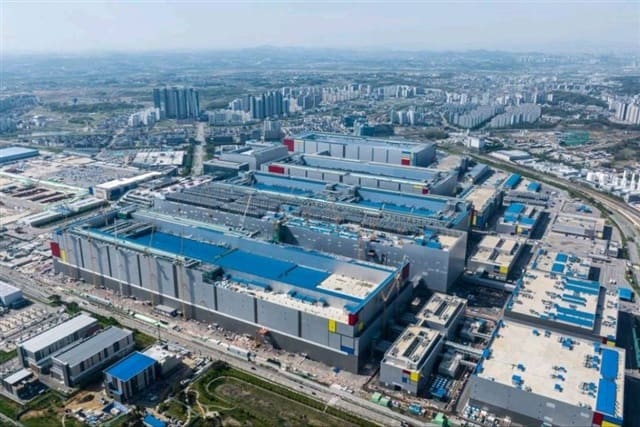
Samsung and SK Hynix are moving to secure chipmaking tools earlier, with delivery windows stretching to twice previous levels amid a global wave of semiconductor manufacturing expansion
KEY TAKEAWAYS
- ·Samsung Electronics and SK Hynix are moving to place semiconductor equipment orders earlier as delivery lead times approach double previous levels due to global fab expansion.
- ·The extended equipment delivery windows reflect capacity constraints across lithography, deposition, and etching tool suppliers amid simultaneous investments in Asia, North America, and Europe.
- ·Earlier procurement strategies aim to secure production capacity for high-bandwidth memory and advanced nodes, with equipment availability becoming a competitive factor in AI chip markets.
Memory Leaders Shift Procurement Strategy
Samsung Electronics and SK Hynix are advancing their semiconductor equipment procurement timelines as delivery windows for critical chipmaking tools stretch toward unprecedented lengths. The shift comes as a synchronized wave of fabrication facility investments across Asia, North America, and Europe pushes equipment manufacturers to capacity limits.
Lead times for key semiconductor manufacturing tools now approach double their historical norms, according to industry tracking. The extended delivery schedules reflect bottlenecks across the equipment supply chain, from precision optics to advanced lithography systems required for leading-edge chip production.
Both Korean memory manufacturers are evaluating earlier order placements to secure production capacity for upcoming facility expansions and technology node transitions. The procurement adjustments mark a departure from traditional equipment ordering cycles, which typically aligned more closely with near-term manufacturing schedules.
Capacity Crunch Across the Tool Chain
The equipment delivery pressures stem from overlapping investment cycles across the semiconductor industry. Memory manufacturers, logic chipmakers, and foundries are simultaneously expanding capacity to meet demand from artificial intelligence computing, high-performance computing, and automotive electronics.
Equipment suppliers face constraints in scaling production of complex tools that require specialized components and lengthy manufacturing processes. Lithography systems, deposition equipment, and etching tools involve precision engineering and calibration that limit how quickly manufacturers can ramp output.
The extended lead times create planning challenges for chipmakers racing to bring new capacity online. Delays in equipment delivery can push back production schedules by quarters, affecting revenue projections and competitive positioning in fast-moving technology segments.
Regional Fab Investment Wave
Asia remains the epicenter of semiconductor manufacturing expansion, with South Korea, Taiwan, and increasingly China driving capacity additions. Samsung's ongoing memory and foundry investments span multiple technology nodes, while SK Hynix focuses on high-bandwidth memory for AI accelerators and advanced DRAM architectures.
The regional investment boom coincides with government-backed semiconductor initiatives across Japan, where legacy chipmakers are rebuilding advanced manufacturing capabilities, and Southeast Asian nations positioning for mature-node production.
North American and European fab projects add to equipment demand, as policy-driven reshoring efforts create new manufacturing footprints. These projects often require full equipment suites, intensifying competition for scarce tool capacity.
Strategic Implications for Memory Markets
The equipment procurement dynamics carry implications for memory market supply trajectories. Earlier equipment orders signal confidence in sustained demand growth, particularly for specialized memory products tied to AI infrastructure and data center expansion.
Samsung and SK Hynix compete directly in high-bandwidth memory, where production capacity determines market share in the rapidly growing AI chip segment. Securing equipment ahead of competitors can translate to earlier revenue capture in next-generation memory products.
The procurement shift also reflects lessons from previous investment cycles, when equipment shortages constrained capacity ramps and allowed rivals to gain market position. Chipmakers now factor equipment lead times into multi-year capacity planning, treating tool availability as a competitive variable alongside technology development and customer commitments.
Equipment Makers Navigate Demand Surge
For equipment manufacturers, the current environment presents both opportunity and operational challenge. Extended order books provide revenue visibility, but capacity constraints limit near-term growth potential and raise questions about future utilization if demand softens.
Leading equipment suppliers have announced capacity expansion plans, though these investments take years to materialize given the specialized nature of semiconductor tool manufacturing. The lag between demand signals and supply response creates a structural tension in the equipment market.
Some chipmakers are exploring deeper partnerships with equipment vendors, including advance payments or collaborative development programs, to secure priority access to critical tools. These arrangements mirror strategies used during previous equipment shortages, when leading-edge manufacturers locked in capacity through financial commitments.
The evolving procurement landscape underscores the interconnected nature of semiconductor supply chains, where bottlenecks at the equipment layer ripple through chip production schedules and ultimately affect technology product availability. As Korean memory leaders adjust their ordering strategies, the broader industry watches for signals about the pace and sustainability of the current investment cycle.
RELATED STORIES

SK Hynix Eyes Deeper Collaboration With Japan's Chip Sector
Cheng Wei-Lun · 4 min

Samsung's Device Division Reports First Quarterly Loss as Chip Costs Surge
Cheng Wei-Lun · 3 min
SK Hynix May Fast-Track Gwangju Fab Investment Alongside Yongin Expansion
Jun-ho Seo · 3 min

South Korea Records Highest September Export Start on Semiconductor Demand
Tran Quoc Bao · 3 min
Spot something wrong? Email editor@briefasia.com. We log every correction publicly.