Technology · Dev
Kioxia Posts Weak Quarterly Forecast Despite Memory Chip Rally
Japanese flash memory maker's second-quarter outlook falls short of market expectations as industry optimism faces reality check
KEY TAKEAWAYS
- ·Kioxia Holdings projected ¥1.89 trillion operating income for the current quarter, falling short of market expectations amid memory chip recovery.
- ·The Japanese NAND producer's cautious outlook signals potential pricing pressure or elevated costs despite broader industry optimism about AI-driven demand.
- ·Weaker guidance from a major Asia memory manufacturer may prompt reassessment of sector valuations and capital expenditure plans across regional supply chains.
Forecast Signals Caution
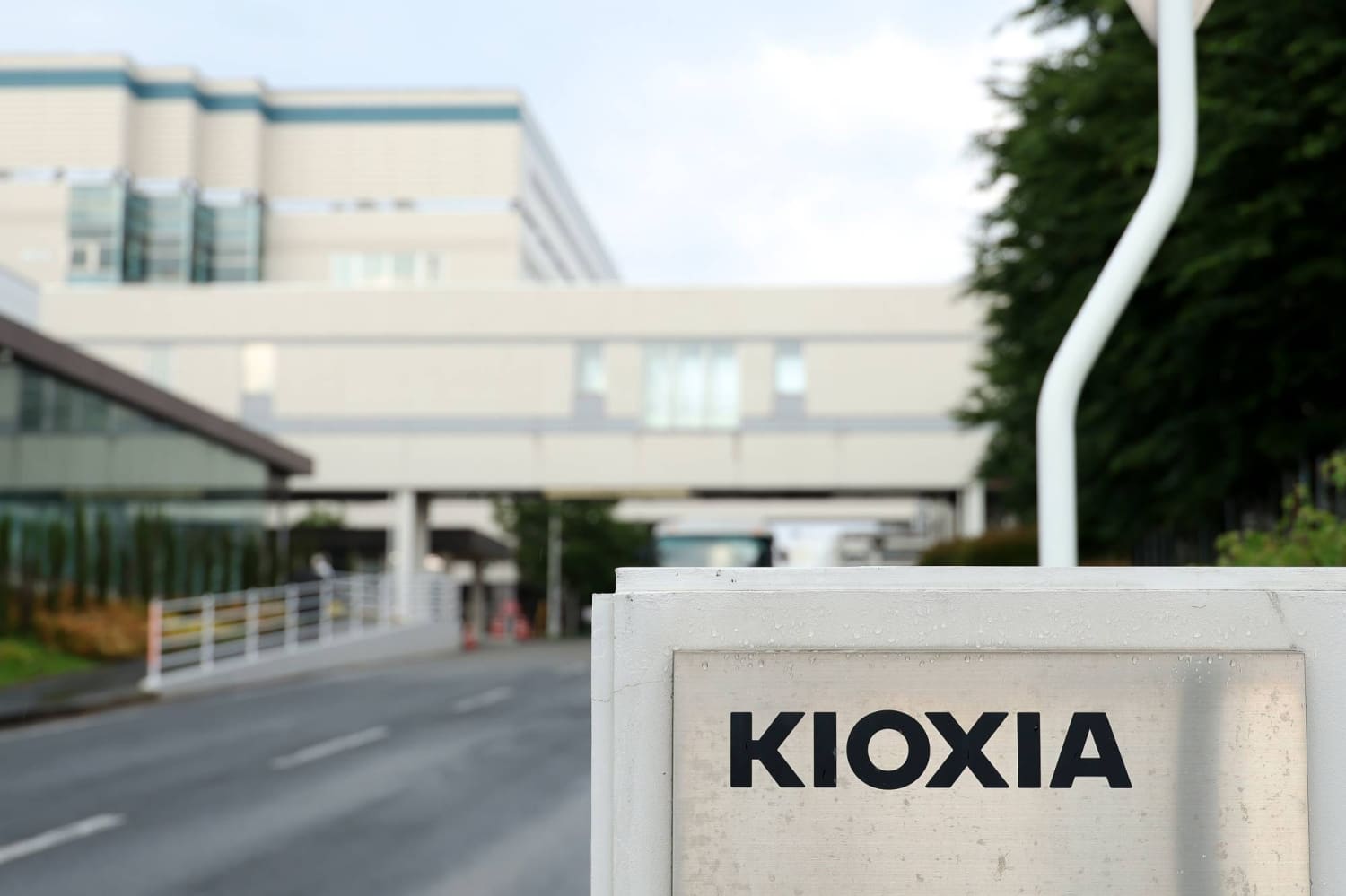
Kioxia Holdings announced operating income guidance of ¥3.16 trillion ($19.7 billion) for the fiscal half-year ending September, according to the company's latest disclosure. The figure implies second-quarter operating income of approximately ¥1.89 trillion, falling below analyst consensus and tempering enthusiasm around the ongoing memory chip recovery.
The Japanese flash memory manufacturer, one of the world's largest NAND producers alongside Samsung and SK Hynix, has been navigating a volatile pricing environment shaped by artificial intelligence demand, smartphone inventory cycles, and data center expansion. The muted outlook suggests that pricing power may be weakening faster than anticipated, or that production costs remain elevated despite volume increases.
Industry Context
Memory chip manufacturers across Asia have reported mixed signals in recent quarters. While AI-driven demand for high-bandwidth memory has supported premium product lines, commodity NAND flash used in consumer electronics and enterprise storage has faced pricing pressure. Kioxia's flash memory products serve both segments, making the company a bellwether for broader market conditions.
The weaker-than-expected guidance arrives at a time when industry observers had been projecting sustained momentum through the second half of 2026. Spot prices for NAND flash stabilized in recent months after steep declines in 2025, but the pace of recovery has varied significantly by product category and customer segment.
Regional Implications
Japan's semiconductor sector has been working to regain competitiveness in memory and logic chips, supported by government subsidies and partnerships with foreign players. Kioxia, formerly Toshiba Memory, represents a strategic asset in that effort. Any slowdown in its earnings trajectory could complicate capital expenditure plans and workforce expansion in domestic fabrication facilities.
The company operates major production sites in Yokkaichi and Kitakami, employing thousands and anchoring regional supply chains. A cautious outlook may influence investment decisions not only within Kioxia but also among equipment suppliers and materials manufacturers that depend on steady capacity additions.
Margin Pressure
Operating income projections reflect both revenue assumptions and cost structures. Kioxia has been ramping production of advanced node NAND, which requires significant capital investment and carries higher depreciation burdens. If average selling prices decline more quickly than cost reductions materialize, margins compress.
The company has not disclosed detailed guidance on shipment volumes or product mix, but the implied quarterly figure suggests that either volumes are tracking below internal targets or that pricing has softened more than management anticipated at the start of the fiscal year.
Market Dynamics
Global memory chip demand remains uneven. Smartphone and PC markets have yet to return to pre-pandemic growth rates, while data center operators are prioritizing high-performance memory for AI workloads over bulk storage expansion. This shift benefits producers with leading-edge technology but pressures those relying on legacy product revenue.
Kioxia competes directly with Samsung and SK Hynix in both consumer and enterprise segments. Samsung has been aggressive on pricing to defend market share, while SK Hynix has focused on high-margin products tied to AI accelerators. Kioxia's positioning between these strategies may leave it exposed to pricing headwinds without fully capturing the AI premium.
Outlook
The second-quarter forecast will be closely watched by investors and industry analysts as a signal of whether the memory recovery is broadening or narrowing. If Kioxia's experience reflects sector-wide trends, other NAND producers may face similar margin pressures in the coming months.
Capital markets have priced in a sustained upcycle for memory chips, driven by AI infrastructure buildout and replacement cycles in consumer devices. A softer trajectory from a major producer like Kioxia could prompt reassessment of those assumptions and affect valuations across the sector.
For now, the company's guidance underscores the uneven nature of the memory market recovery and the challenges facing producers outside the AI memory niche. How Kioxia navigates the balance between volume growth and pricing discipline will shape its competitive position as the industry enters the latter half of the year.
RELATED STORIES
Kioxia Rules Out SK Hynix Merger, Focuses on Stabilising Memory Chip Prices
Tran Quoc Bao · 3 min
Kioxia Rules Out SK Hynix Manufacturing Partnership Despite Memory Boom
Jun-ho Seo · 3 min
Preferred Networks Eyes Public Listing to Scale AI Chip Production
Aiko Nakamura · 2 min
Kioxia Pushes Flash Memory to Replace DRAM Amid Market Squeeze
Jun-ho Seo · 3 min
Spot something wrong? Email editor@briefasia.com. We log every correction publicly.