Finance · Deals
Keppel Infrastructure Trust H1 Payout Edges Up Despite Lower Distributable Income
The Singapore-listed infrastructure trust delivered S$0.0199 per unit for the first half, supported by revenue growth and defensive contracts amid regional volatility
KEY TAKEAWAYS
- ·Keppel Infrastructure Trust's distribution per unit rose 1% to S$0.0199 for the first half, while revenue climbed 13.8% year-on-year to S$1.3 billion.
- ·Distributable income fell 15.3% to S$101.1 million, largely due to a S$21.7 million divestment gain booked in the prior year period.
- ·The trust holds roughly S$700 million in debt capacity and plans to rationalise non-core assets to improve earnings quality and capital efficiency.
A Modest Uptick Amid Mixed Signals
Keppel Infrastructure Trust reported a distribution per unit of S$0.0199 for the six months ended June 30, according to its manager on July 28. The figure represents a 1 per cent increase from S$0.0197 in the same period a year earlier, even as the trust navigated fuel cost headwinds and the residual effects of a prior divestment.
Revenue for the half climbed 13.8 per cent year-on-year to S$1.3 billion, up from S$1.1 billion. The trust attributed the performance to what it describes as limited direct exposure to the Middle East conflict, pointing to a portfolio anchored by long-term contracts with cost pass-through provisions.
Distributable income, however, told a different story. The trust recorded S$101.1 million for the period, down 15.3 per cent from S$119.4 million a year earlier. That decline largely reflects a one-off gain of S$21.7 million booked in the first half of 2025 from the sale of Philippine Coastal Storage and Pipeline Corporation. Adjusting for that transaction, distributable income would have edged up 1.2 per cent from S$99.9 million.
Fuel Costs and Regional Tensions
One of the trust's portfolio companies, chemicals manufacturer Ixom, faced fuel cost under-recovery during the second quarter. The shortfall occurs when actual fuel procurement expenses exceed what can be recouped through regulated retail prices or surcharge mechanisms. The trust noted that the issue stemmed from disruptions tied to the Middle East conflict, though cost optimisation measures helped contain the impact.
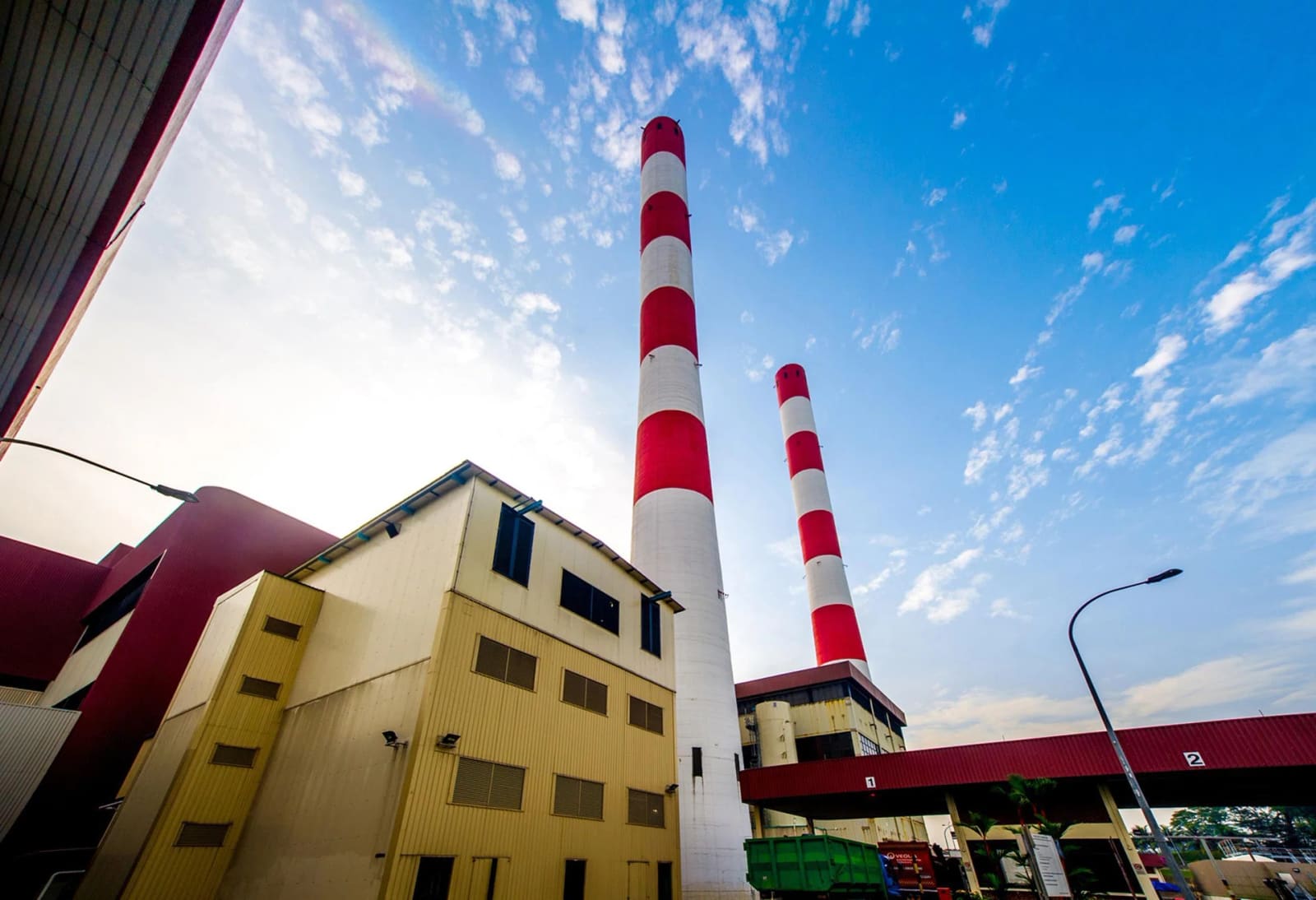
The trust's broader portfolio, which includes waste-to-energy plants and utility infrastructure across Singapore and the region, has so far shown resilience. Long-term offtake agreements and inflation-linked pricing structures have provided a buffer against volatility in energy and commodity markets.
Balance Sheet and Firepower
As of June 30, Keppel Infrastructure Trust's net gearing stood at 44.2 per cent, with an interest coverage ratio of 8.3 times. The trust highlighted approximately S$700 million in available capacity for debt-funded acquisitions before reaching a net gearing ceiling of 50 per cent.
That dry powder positions the trust to pursue selective growth opportunities, particularly as infrastructure assets in Southeast Asia continue to attract investor interest. The manager has signalled an intention to rationalise non-core holdings to optimise the capital structure and improve earnings quality, alongside ongoing efforts to streamline corporate functions.
What Comes Next
Looking ahead, the manager identified fuel cost management as a priority, particularly as geopolitical tensions persist. The trust is also advancing plans to shed non-core assets, a move that could free up capital for higher-return investments or reduce leverage.
Units of Keppel Infrastructure Trust closed at S$0.535 on July 27, up 0.9 per cent or S$0.005, ahead of the results announcement. The modest share price gain suggests investors are weighing the trust's defensive positioning against the drag from lower distributable income and operational headwinds in certain segments.
For now, the trust's ability to maintain a stable payout while navigating fuel cost volatility and regional uncertainty underscores the value of its contract structures. Whether that resilience can translate into stronger income growth will depend on how quickly it can execute asset rationalization and deploy capital into higher-margin opportunities.
RELATED STORIES

Philippine National Bank Finances $109 Million Solar-Storage Plant in Iloilo
Priyanka V. Rao · 4 min

Southeast Asian Firms Overlook Digital Pact Worth USD 2 Trillion
Lim Hui Ying · 4 min
Shein Drops 4% in Hong Kong Debut as Tariff Pressure Weighs on Valuation
Priyanka V. Rao · 4 min
CIMB Commits to 55% Dividend Floor as Regional Portfolio Offsets Indonesia Pressure
Priyanka V. Rao · 4 min
Spot something wrong? Email editor@briefasia.com. We log every correction publicly.