Finance · Banking
Kakao Bank H1 Net Income Rises 24% as Fee Revenue Offsets Lending Slowdown
South Korea's digital bank reports record first-half profit of $229.7 million despite household lending constraints under regulatory pressure
KEY TAKEAWAYS
- ·Kakao Bank's net income reached 328 billion won in H1, a 24.4 percent increase, driven by fee income and treasury gains rather than loan growth.
- ·South Korean regulators continue to restrict household lending, forcing digital banks to diversify revenue streams beyond traditional interest income.
- ·Competition among internet-only lenders is intensifying as early-mover advantages fade and all players pursue similar fee-based business models.
Digital Bank Posts Record Performance
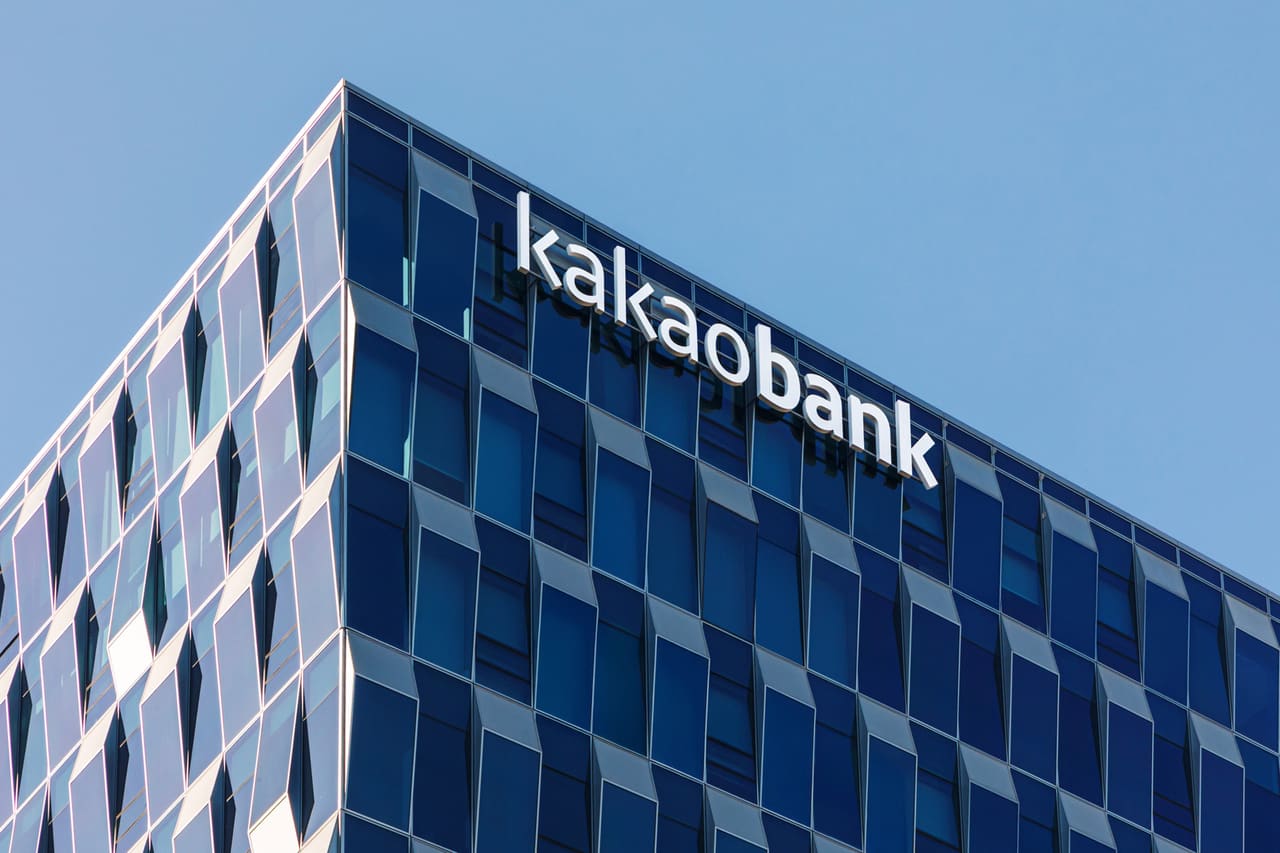
Kakao Bank delivered its strongest first-half performance on record, with net income advancing to 328 billion won ($229.7 million) in the six months through June, according to the company. The 24.4 percent year-on-year increase came as the internet-only lender diversified its revenue streams beyond traditional interest income.
The Seoul-based digital bank reported second-quarter net income of 140.8 billion won, marking an 11.5 percent rise from the same period last year. Operating revenue for the half reached 1.65 trillion won, up 5.5 percent.
Fee Income Picks Up Slack
The earnings growth reflects a strategic pivot as South Korean regulators maintain pressure on household lending, particularly unsecured consumer credit. Kakao Bank has compensated by expanding fee-based services and optimizing its treasury operations.
Noninterest income, which excludes earnings from loans and securities holdings, became a larger contributor to the bottom line. The shift marks a maturation phase for South Korea's digital banking sector, where early growth was driven almost entirely by rapid loan book expansion.
Financial authorities in Seoul have spent the past two years tightening lending standards for internet-only banks after household debt climbed to record levels. The measures have forced digital lenders to rethink their business models, pushing them toward wealth management, payment services, and cross-border remittances.
Regulatory Environment Shapes Strategy
Kakao Bank operates under the same prudential rules as traditional banks but has historically grown faster by targeting younger borrowers and small businesses underserved by legacy institutions. The regulatory squeeze has narrowed that advantage, prompting the bank to lean on its technology infrastructure and customer base of more than 20 million users.
The lender has rolled out investment product distribution, insurance brokerage, and corporate cash management services over the past year. These offerings carry lower capital requirements than loans and generate steady fee streams, helping smooth earnings volatility.
Treasury operations also contributed to the first-half result. Kakao Bank manages a significant portfolio of government and corporate bonds, and gains from trading and portfolio repositioning added to profitability during the period. South Korean bond markets saw increased activity in the first half as investors adjusted to shifting interest rate expectations from the central bank.
Competitive Landscape Tightens
Kakao Bank faces intensifying competition from both traditional banks expanding their digital channels and rival internet-only lenders such as K Bank and Toss Bank. The latter two have also reported solid earnings growth this year, signaling that the entire digital banking segment is adapting to the new regulatory reality.
The performance disparity among digital banks is narrowing. Early-mover advantages are fading as all players invest in similar technology stacks and compete for the same customer segments. Profitability now hinges on operational efficiency, risk management, and the ability to cross-sell non-lending products.
Kakao Bank's parent, Kakao Corp., has been under scrutiny from regulators and investors over governance issues and market dominance concerns in South Korea's digital economy. The bank has worked to maintain operational independence, but any regulatory or reputational spillover from the parent could affect its growth trajectory.
Outlook Hinges on Policy and Product Mix
The second half will test whether Kakao Bank can sustain its earnings momentum. South Korea's household debt remains elevated, and regulators show no sign of easing lending restrictions. The bank will need to continue scaling its fee-based businesses and managing its balance sheet conservatively.
Interest rate trends will also matter. If the Bank of Korea cuts rates in response to slowing economic growth, net interest margins could compress, putting additional pressure on traditional lending income. That scenario would make the shift toward fees and treasury gains even more critical.
Kakao Bank's ability to leverage its digital platform for new revenue streams will determine whether it can maintain double-digit profit growth in a constrained lending environment. The first-half result suggests the strategy is working, but execution risk remains high as competition intensifies and regulatory oversight deepens across South Korea's financial sector.
RELATED STORIES
Seoul Market Climbs on Tech Rally After US Jobs Data
Cheng Wei-Lun · 3 min

KT&G Posts Fourth Consecutive Quarter of Double-Digit Profit Growth
Cheng Wei-Lun · 3 min

South Korean Retail Investors Pivot to US Leveraged ETFs After Domestic Crackdown
Cheng Wei-Lun · 3 min

South Korea's Pension Giant Faces Questions Over Market Timing
Jun-ho Seo · 3 min
Spot something wrong? Email editor@briefasia.com. We log every correction publicly.